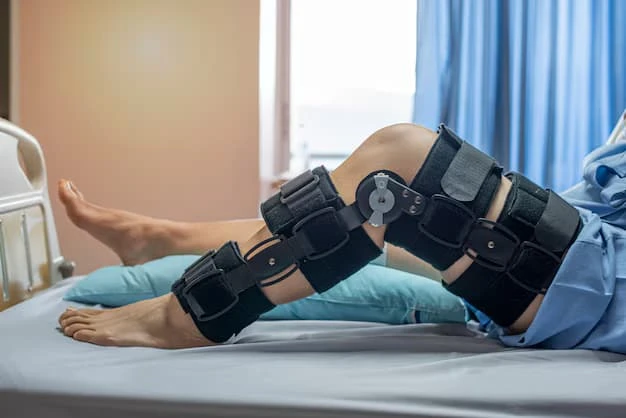

Unicompartment knee osteoarthritis is one of the most common conditions affecting adults as they age, especially those who lead active lifestyles or who have a history of joint injuries. It occurs when only one side of the knee joint begins to deteriorate, leading to pain, stiffness, and a gradual limitation in mobility. Because only a single compartment is affected, treatment focuses not only on reducing pain but also on redistributing load away from the damaged area. This is where knee unloader braces demonstrate significant value. These braces are specifically designed to shift pressure away from the affected compartment and support healthier movement patterns.
Knee unloader braces have gained growing recognition for their ability to relieve pain, improve mobility, and slow the progression of unicompartment osteoarthritis. They provide a non invasive option that empowers individuals to stay active while protecting the joint. By examining how these braces work and why they are effective, clinicians and patients can make informed decisions about integrating them into a comprehensive treatment plan.
Understanding Unicompartment Knee Osteoarthritis
What unicompartment OA means
The knee contains two primary compartments on the left and right sides of the joint. When degeneration occurs on only one side, it is referred to as unicompartment osteoarthritis. This asymmetrical wear often leads to uneven loading during walking, which increases pain and accelerates damage. Many individuals develop changes in alignment, such as bowing inward or outward, which further intensify the stress.
Why load distribution matters
Healthy movement depends on even load sharing across the joint surfaces. When one compartment absorbs more pressure than the other, it experiences greater strain. Over time, cartilage deteriorates, inflammation increases, and daily activities become more difficult. Redistributing load is one of the most important strategies for reducing discomfort and protecting the joint from further damage.
The limitations of general treatments
Conventional treatments like pain medication, general strengthening exercises, or activity modification may provide temporary relief. However, they do not directly address the mechanical imbalance that caused the problem. Without targeted interventions, the overloaded compartment continues to degenerate. Knee unloader braces provide a direct mechanical solution by shifting forces away from the affected area.
How Knee Unloader Braces Work
Applying corrective forces to the joint
Knee unloader braces apply a controlled external force to realign the knee and reduce pressure on the damaged side. By subtly shifting the knee’s position, the brace decreases compression in the affected compartment and encourages more balanced weight distribution.
Supporting natural movement patterns
The goal of knee unloader braces is not to restrict movement but to support healthier alignment during daily activities. When the knee moves more efficiently, individuals experience less pain during walking, climbing stairs, or standing for extended periods. Improved mechanics reduce the need for compensatory movements that may lead to discomfort in other joints.
Reducing inflammation through mechanical support
Too much load on one side of the knee leads to irritation and swelling. When the brace redirects pressure, the joint tissues receive relief from constant stress. This reduction in mechanical irritation allows inflammation to subside, which contributes to improved comfort throughout the day.
Key Benefits of Knee Unloader Braces for Unicompartment OA
Immediate pain relief during movement
One of the most appreciated benefits of knee unloader braces is the potential for immediate comfort. Many individuals report that walking becomes less painful as soon as they put on the brace. By reducing the load on the affected side, the brace makes each step easier and more stable.
Improved daily mobility
Mobility often declines when knee pain becomes persistent. Individuals may reduce walking distances or avoid stairs because of discomfort. Knee unloader braces help restore confidence by increasing stability and reducing pain. This encourages a more active lifestyle, which is essential for maintaining overall joint health.
Delay of surgical intervention
For many individuals, knee replacement surgery becomes a consideration when osteoarthritis progresses. Knee unloader braces can delay the need for invasive procedures by reducing mechanical stress and slowing cartilage deterioration. While not a permanent cure, these braces offer a valuable solution for those who prefer conservative options.
Enhanced participation in physical activity
Regular movement is important for preserving joint strength and flexibility, but pain often discourages activity. Knee unloader braces help individuals stay active without worsening their symptoms. This supports healthier muscles, better balance, and improved cardiovascular fitness.
Targeted support for people with alignment issues
Many cases of unicompartment osteoarthritis are linked to specific alignment challenges such as inward or outward bowing of the knee. Knee unloader braces address these alignment issues directly by guiding the knee toward a more neutral position during movement.
Biomechanical Impact of Knee Unloader Braces
Redistributing load across the joint
The effectiveness of these braces lies in their ability to shift mechanical forces. When pressure is redistributed, the damaged cartilage receives a break from excessive stress. This helps slow the rate of degeneration and protects the joint surfaces.
Reducing joint compression
Excessive compression contributes significantly to pain in unicompartment osteoarthritis. By lowering compression in the targeted area, knee unloader braces reduce stiffness and improve comfort during weight bearing activities.
Enhancing gait mechanics
As the brace improves alignment, walking patterns begin to normalize. This prevents compensation in other joints such as the hips or ankles and promotes more efficient movement overall.
Supporting long term joint preservation
Better biomechanics means less wear on the affected compartment. When pressure is controlled and movements become more fluid, the joint experiences fewer episodes of irritation. This helps individuals maintain function for a longer period.
Who Benefits Most from Knee Unloader Braces
Individuals with medial or lateral compartment OA
These braces are specifically designed for people whose osteoarthritis affects only one side of the knee. Whether the inner or outer compartment is involved, the brace helps shift pressure toward the healthier region.
Active adults seeking non invasive support
Those who wish to remain active but want to avoid surgical procedures often find these braces to be an effective option. They allow for continued participation in walking, hiking, or recreational exercise with less discomfort.
Older adults who experience persistent pain
For older individuals who struggle with consistent knee pain, the brace provides stability and comfort that enhance daily living. Simple tasks like standing from a chair or climbing stairs become more manageable.
Individuals with alignment related discomfort
People who have natural bowing or alignment deviations benefit greatly from knee unloader braces because the brace assists in realigning the joint during movement.
Integrating Knee Unloader Braces into a Treatment Plan
Combining bracing with exercise
Strengthening the muscles around the knee supports long term improvement. When combined with the mechanical advantages of a brace, exercises that target the quadriceps, hips, and calves become even more effective.
Supporting mobility with stretching
Flexibility in the hips, calves, and hamstrings influences knee mechanics. Stretching routines help maintain balance between muscle groups and support optimal alignment.
Monitoring progress regularly
Tracking changes in pain levels, mobility, and endurance helps determine how well the brace is supporting daily function. Adjustments can be made as needed to maximize comfort.
Working toward long term joint health
Knee unloader braces are most effective when part of a comprehensive approach that includes movement education, strength development, and activity modification when needed.
Conclusion
Knee unloader braces offer a powerful and targeted solution for individuals with unicompartment osteoarthritis. By redistributing pressure, improving alignment, and supporting healthier movement patterns, these braces help reduce pain, increase mobility, and slow the progression of joint degeneration. For many individuals, they provide an effective and non invasive approach to managing symptoms and preserving long term knee function. This article is provided by Lermagazine.






























Sign in to leave a comment.