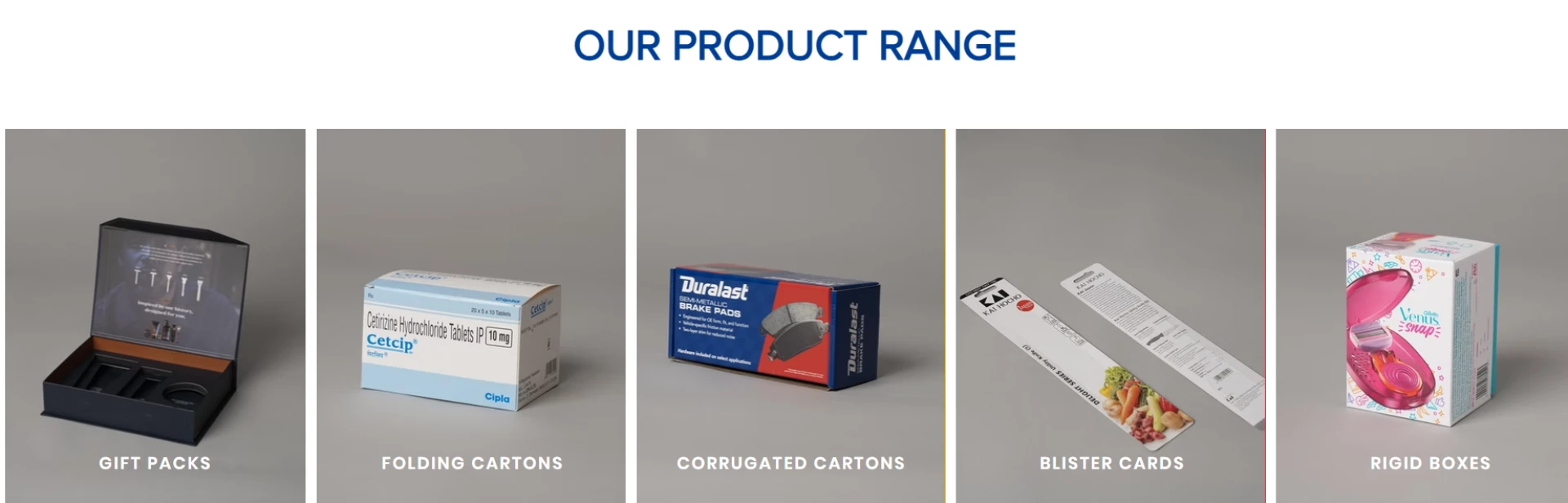

Small inconsistencies don’t look dangerous at first.
A slight shade variation. A box that’s half a millimetre off. A batch that just barely passes strength testing.
Individually? Manageable.
Across multiple print runs? They add up and eventually show up in product damage, retail complaints, or brand perception.
Here’s the part most companies don’t talk about: you don’t need to replace your entire supplier base to fix this.
According to McKinsey & Company’s 2024 Supply Resilience study, companies that introduced qualified secondary vendors improved packaging quality metrics by 19%, without displacing existing suppliers.
What this really means is simple: improve where it matters most, without creating operational chaos.
Let’s break down how.
Where Quality Actually Breaks Down
Most recurring packaging issues don’t start on the press floor. They start earlier:
- Poor calibration standards
- Vague or inconsistent technical specifications
- No shared QC benchmarks
- Inconsistent onboarding across SKUs
- Lack of documented corrective action
When you don’t define quality precisely, every supplier defines it differently.
That’s where the drift begins.
Step 1: Standardise Your Packaging Specifications
Before you improve quality, you need to define it properly.
Every SKU, whether it’s a mono carton, folding carton, or rigid box, should have a detailed technical specification document.
This isn’t paperwork for the sake of paperwork. It’s your control system.
A proper specification sheet should cover:
- Exact dimensional tolerances
- Overall GSM
- Fluting requirements (for corrugated formats)
- ECT and bursting strength
- Scuff resistance standards
- Approved raw material sources
- Moisture percentage thresholds
- Print shade tolerance ranges
For print verification, suppliers typically provide a shade card with “standard,” “light,” and “dark” tolerances. All production should fall within that defined range.
Every shipment should also include a Certificate of Analysis (COA) that clearly documents:
- Sampling method
- Number of samples tested
- Test results vs required values
- Pass/fail status for each parameter
Then, and this is critical, your internal QC team should verify batches upon receipt.
Transparency removes ambiguity. Ambiguity causes quality drift.
Step 2: Document Problems Like You Intend to Fix Them
When defects occur, vague feedback doesn’t help.
Instead:
- Preserve physical samples
- Record the number of defective units
- Categorise defect types
- Photograph and log findings
This gives your supplier real data to work with.
From there, they should issue a formal CAPA (Corrective and Preventive Action) document outlining:
- Root cause
- Corrective action for the affected lot
- Preventive action to stop recurrence
If you need to run a basic internal CAPA, follow this three-step structure:
- Clearly define the issue
- Conduct root cause analysis (Fishbone diagram, 5 Whys, etc.)
- Assign corrective actions with owners, deadlines, and measurable outcomes
Repeated unresolved issues are a signal. Either the supplier’s process cannot eliminate the defect, or the capability gap is real.
That’s when a secondary supplier becomes strategic, not disruptive.
Step 3: Segment Production Instead of Replacing Suppliers
Here’s where smart brands differ.
They don’t replace long-standing vendors overnight. They segment production.
- Stable, high-volume SKUs stay with legacy suppliers
- High-risk or high-value formats move to partners with stronger QA systems
For example:
- Core mono cartons might remain unchanged
- Premium rigid boxes or set-up boxes for luxury lines may shift to a specialist rigid box manufacturer.
This reduces risk while raising quality standards where brand exposure is highest.
Why This Matters More in Rigid Packaging
When you’re dealing with rigid packaging, tolerance levels tighten dramatically.
A rigid box doesn’t just protect a product; it signals brand value.
That’s especially true for:
- Custom rigid box projects
- Rigid boxes for perfume brands
- Rigid boxes for body mist brands
- Luxury packaging launches
Here, aesthetic defects and structural weaknesses aren’t minor; they directly impact perceived product value.
That’s why brands often assign rigid box packaging to experienced rigid box manufacturers or dedicated rigid box suppliers with stronger QA infrastructure.
How Kumar Printers Approaches Quality
At Kumar Printers, quality control isn’t an inspection step at the end. It’s built into every stage, from design to dispatch.
With over 60 years of experience delivering secondary packaging to pharmaceutical companies and global brands such as:
- Procter & Gamble
- Gillette
- Nestlé
- Diageo
The focus has always been consistency at scale.
Here’s how that translates operationally:
1. Documented Quality Parameters
Each custom packaging project, whether folding cartons or rigid boxes, begins with clearly defined technical specifications and shared benchmarks.
2. Multi-Stage Quality Control
- Raw material testing before production
- In-process quality checks
- Final batch approval before dispatch
3. Standardised Certificate of Analysis
Every shipment includes documented compliance against agreed quality parameters, tested in an in-house QC laboratory.
Serving Global Luxury Packaging Markets
Brands looking for:
- Rigid Box Supplier UK
- Rigid Box Supplier US
- Rigid Box Supplier UAE
- Rigid Box Supplier Saudi Arabia
are increasingly prioritising quality documentation and repeatability over just price.
Whether working with UK box makers, US box makers, or UAE box makers, the principle remains the same:
Luxury rigid box makers must operate with measurable, transparent quality systems, especially when delivering custom packaging and eco-friendly packaging solutions for premium segments.
When to Consider a Secondary Supplier
You may need to explore a second rigid box supplier or a custom box manufacturer if:
- The same defect repeats across multiple runs
- CAPA responses lack technical depth
- Tolerance adherence fluctuates batch to batch
- Your premium SKUs demand tighter process control
Introducing a qualified secondary supplier doesn’t mean replacing your primary one. It strengthens your supply resilience and improves quality where it matters most.
Final Thought
Improving packaging quality doesn’t require tearing down your entire operation.
It requires:
- Clear specifications
- Measurable testing
- Structured corrective processes
- Strategic supplier segmentation
If you’re facing a recurring issue in rigid box packaging, mono carton production, or luxury packaging solutions, and it hasn’t been permanently resolved, it may be time for a fresh technical review. Let’s connect with Kumar printers to discuss your printing and packaging needs.
Sometimes, better quality isn’t about changing everything.
It’s about tightening what matters most.






























Sign in to leave a comment.