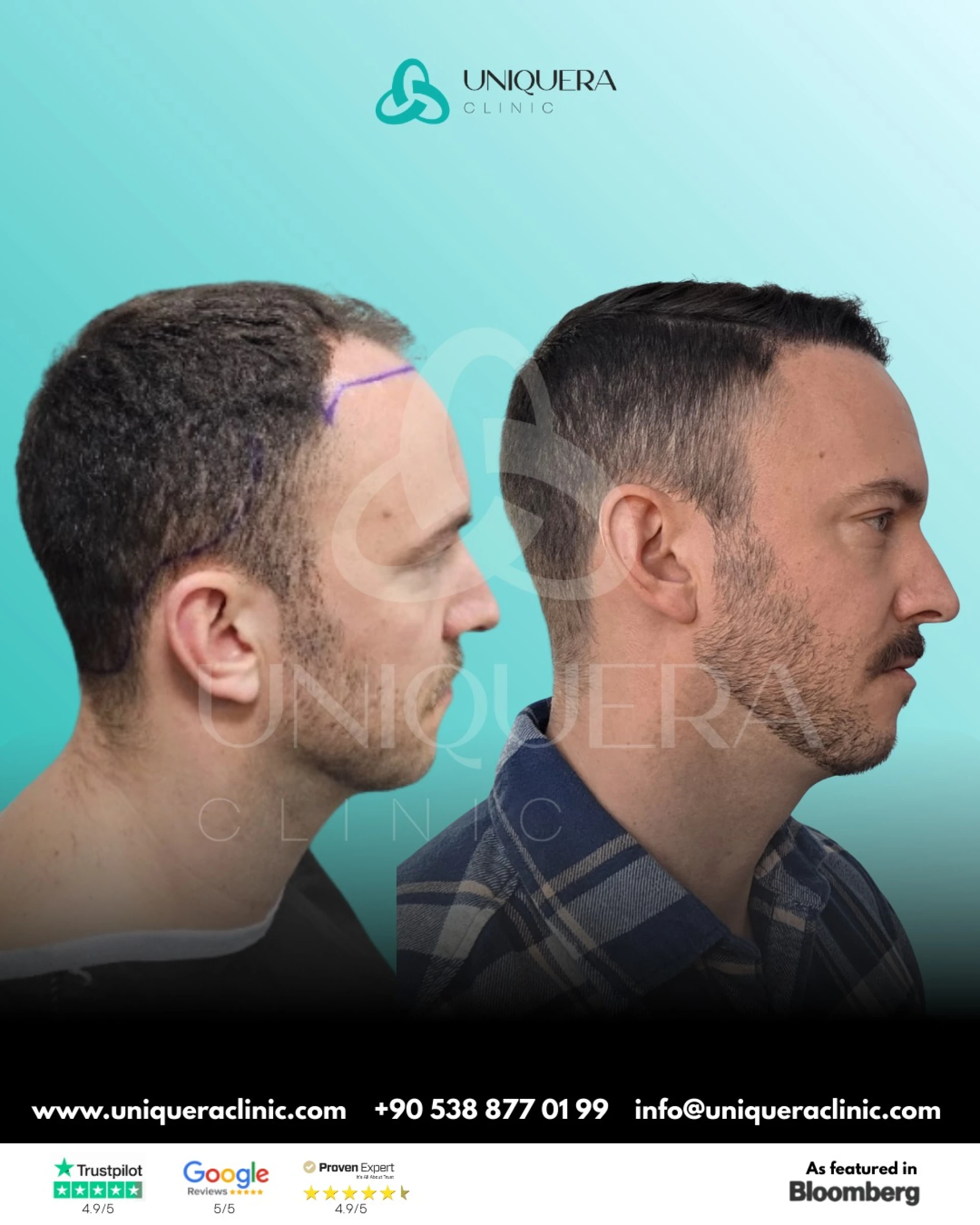

At some point, most people with thinning hair ask the same quiet question: am I actually a good candidate for this?
Maybe you’ve been searching for a long-term hair loss treatment for receding hairline, reading late at night, zooming into before-and-after photos, trying to imagine your own reflection looking… fuller. Healthier. Like it used to.
But eligibility for hair transplant surgery isn’t just about wanting it. There are real medical and practical factors involved. Some obvious. Some less so.
Let’s walk through them in a way that feels human.
1. Do You Have Stable Hair Loss?
This is one of the first things doctors look at.
If your hair loss is still aggressive — especially in your early 20s — surgeons may suggest waiting. Hair loss patterns need to stabilize before transplanting. Otherwise, you risk filling in today’s gaps while tomorrow’s thinning continues right behind it.
It’s frustrating to hear “not yet,” I know. But there’s logic behind it.
Most ideal candidates are in their late 20s or older, when the pattern of recession becomes clearer. That doesn’t mean younger patients are automatically excluded. It just means planning becomes more cautious.
Hair transplant surgery isn’t a quick cosmetic fix. It’s a long-term move.
2. Is Your Donor Area Strong Enough?
This part surprises people.
Hair transplants work by relocating follicles from the donor area — usually the back or sides of your scalp — to thinning zones. If the donor area is weak, sparse, or already thinning, options become limited.
A surgeon at a reputable hair transplant clinic in istanbul will examine donor density closely. They might measure hairs per square centimeter. They’ll check scalp elasticity. They’ll assess hair thickness.
Thicker hair covers more surface. Curly hair can create the illusion of density with fewer grafts. Fine, straight hair might require more careful placement.
You can’t move what you don’t have. That’s the simple truth.
3. Are Your Expectations Realistic?
This one’s delicate.
Some patients walk in hoping to restore their exact teenage hairline. That might not be realistic — or even flattering at age 40.
Good candidates understand that hair transplant surgery improves appearance. It doesn’t reverse time.
I once heard a surgeon say, “The goal isn’t to look 18 again. It’s to look like yourself, just with better framing.” That stuck with me.
If you’re open to balanced, age-appropriate results, that’s a positive sign.
4. What Type of Hair Loss Do You Have?
Not all hair loss is the same.
Male pattern baldness (androgenetic alopecia) responds well to transplantation. The donor hairs are genetically resistant to the hormone that causes thinning. That’s why they survive in their new location.
Conditions like alopecia areata, scarring alopecia, or diffuse unpatterned hair loss may require deeper evaluation. Sometimes transplant isn’t the first solution.
A proper diagnosis matters more than rushing into surgery.
5. Are You in Good General Health?
Hair transplant surgery is minimally invasive, but it’s still a surgical procedure.
Candidates should be in generally good health. Chronic conditions like uncontrolled diabetes, bleeding disorders, or severe heart problems may complicate surgery.
Smoking habits matter too. Heavy smoking can affect blood flow, which influences healing and graft survival.
It’s not about being “perfectly healthy.” It’s about being stable enough for safe surgery and recovery.
6. Have You Tried Non-Surgical Options?
Sometimes a transplant isn’t the first step.
Medications like minoxidil or finasteride can slow hair loss. PRP therapy may improve density in early stages. For mild thinning, these options might be suggested first.
Especially for a receding hairline, combining medication with surgical planning often gives stronger long-term results.
At UniquEra Clinic, consultations usually explore both surgical and non-surgical options before making a recommendation. Not everyone needs immediate surgery.
And that’s okay.
7. Psychological Readiness Matters Too
This might sound less clinical, but it’s real.
Are you pursuing surgery because you want it? Or because someone else pressured you?
Hair restoration can boost confidence. Many patients describe feeling lighter, more comfortable socially. But surgery shouldn’t feel like a desperate fix for deeper insecurities.
Take a moment and ask yourself: if the result is subtle rather than dramatic, would you still feel satisfied?
If the answer is yes, you’re probably approaching it with the right mindset.
8. Age and Long-Term Planning
A 25-year-old with early recession requires a different plan than a 45-year-old with established hair loss.
Younger patients may continue losing native hair over time. A conservative hairline design protects against future imbalance.
Older patients often have more stable patterns, which allows for stronger density placement.
This is where experience at a reputable hair transplant clinic in istanbul becomes crucial. Planning should consider not just today’s hairline, but tomorrow’s as well.
9. Timing and Lifestyle
Recovery requires care.
For the first 10–14 days, you’ll need to protect the grafts. Avoid intense workouts. Sleep carefully. Follow washing instructions.
If your schedule doesn’t allow for a short recovery period, you might want to wait until it does.
Hair transplant surgery isn’t something you squeeze in between meetings.
When You Might Not Be Eligible
Let’s be honest.
You may not be an ideal candidate if:
- Donor hair is extremely weak
- Hair loss is still rapidly progressing
- Medical conditions aren’t well controlle
- Expectations are unrealistic
Hearing “not suitable right now” can feel disappointing. Still, a responsible clinic won’t push surgery just for the sake of it.
That honesty matters.
So… How Do You Know for Sure?
An in-person or detailed online consultation is the only real way to confirm eligibility.
Photos help, but scalp examination reveals more. Donor density. Miniaturization patterns. Hair shaft thickness. These details guide decisions.
At UniquEra Clinic, candidacy evaluation is thorough but not intimidating. Questions are welcomed. Concerns are discussed openly.
And sometimes, the answer isn’t “yes today.” It might be “yes in a year.” Or “let’s try medical therapy first.”
There’s no rush.
Hair restoration works best when timing, health, and expectations align. If you’re wondering whether you qualify, that curiosity itself is a good first step.
Because deciding thoughtfully? That’s usually how good outcomes begin.








Sign in to leave a comment.