

Hair loss in women… it’s different. Not louder, not more dramatic—just quieter, and sometimes harder to talk about. You don’t always notice it right away either. It’s more like… your ponytail feels thinner, your parting looks wider, and suddenly mirrors feel a bit too honest.
Somewhere in that confusing phase of trying oils, supplements, random advice from relatives (we’ve all been there), I came across this term—DHI Hair Replacement. Clinics like UniqueRA Clinic kept mentioning it, especially for women, and I remember thinking… okay, is this actually suitable for female hair loss, or just another trending thing?
Turns out, it’s a bit more nuanced than that.
What Is DHI Hair Replacement?
Let’s keep this simple.
DHI (Direct Hair Implantation) is a method where hair follicles are taken from a donor area and implanted directly into thinning areas using a pen-like tool. No separate step for creating channels—it’s all done in one go.
Sounds efficient. And yeah, it kind of is.
With DHI hair replacement for women, the idea is to place hair follicles in between existing strands without shaving the entire head. That part alone makes it appealing for a lot of women.
Because let’s be honest… shaving your head isn’t something everyone is ready for.
Why Women Are Considering DHI More Now
I didn’t realize how common female hair thinning is until I started paying attention. It’s everywhere—post-pregnancy, stress, hormonal changes, genetics… the list goes on.
The thing with women is, hair loss is often diffuse. Not just one bald patch. More like overall thinning.
That’s where DHI hair transplant for women stands out. It allows doctors to work around existing hair, filling in gaps without making it look obvious.
Clinics like UniqueRA Clinic often highlight this approach, focusing on subtle density rather than drastic changes.
And honestly, subtle might be exactly what many women want.
The Procedure (What It Actually Feels Like)
It’s a long day. Not going to sugarcoat that.
You’re awake during the procedure. There’s local anesthesia, so you don’t feel sharp pain, but you’re aware of what’s happening. Tiny movements, pressure… time stretching a bit.
Extraction happens first—usually from the back of the scalp. Then implantation using the DHI pen.
What’s interesting is how precise it can get. Each follicle is placed individually. Sounds tedious, and yeah… it kind of is.
At some point, your mind starts wandering. Random thoughts, life decisions, maybe even questioning why you didn’t just stick to hair serums.
Benefits of DHI Hair Replacement for Women
1. No Need for Full Head Shaving
This is a big one.
With DHI hair replacement, many women can keep most of their existing hair intact. Only a small donor area might be trimmed.
That alone makes the process feel less intimidating.
2. Natural-Looking Density
Since follicles are placed between existing hair, results can look very natural.
Not dramatic. Not obvious.
Just… fuller.
Though, I’ll say this—results depend heavily on the person performing the procedure. Tools help, but skill matters more.
3. Controlled Placement
The DHI pen allows for precise control over angle, depth, and direction.
That matters more than it sounds. Hair doesn’t just grow—it grows in patterns. Getting that wrong can look… off.
4. Suitable for Diffuse Thinning
For women dealing with overall thinning rather than bald patches, DHI hair transplant female cases often show better blending.
It’s not about creating a new hairline. It’s about filling what’s already there.
Are There Any Downsides?
Yeah, a few.
1. Takes More Time
Because each graft is implanted individually, the process can be slower.
Long hours. Sometimes split into multiple sessions.
Not ideal if you’re impatient (I probably would be).
2. Cost Can Be Higher
The DHI hair replacement cost is usually slightly higher than traditional methods.
More precision, more time… makes sense.
Still, clinics in places like Turkey—like UniqueRA Clinic—tend to offer packages that balance cost and quality.
3. Not for Everyone
If hair loss is too advanced, DHI might not be enough on its own.
You need a good donor area. Without that, options get limited.
Recovery: What to Expect After
This part feels a bit under-discussed.
Your scalp might be red for a few days. Tiny scabs form where grafts are placed. It looks worse than it feels, honestly.
Washing your hair becomes this careful, almost nervous routine at first.
Sleeping is awkward too. You’ll need to keep your head slightly elevated.
And then comes shedding.
Yeah… the transplanted hair often falls out within weeks. It’s part of the cycle, but it can mess with your head a little. You start wondering if something went wrong.
Growth usually starts after a few months. Slow, gradual.
Patience isn’t optional here.
Choosing the Right Clinic
This part matters more than the technique itself.
There are many clinics offering DHI hair replacement for women, but not all have experience with female hair patterns.
Here’s what I’d personally check:
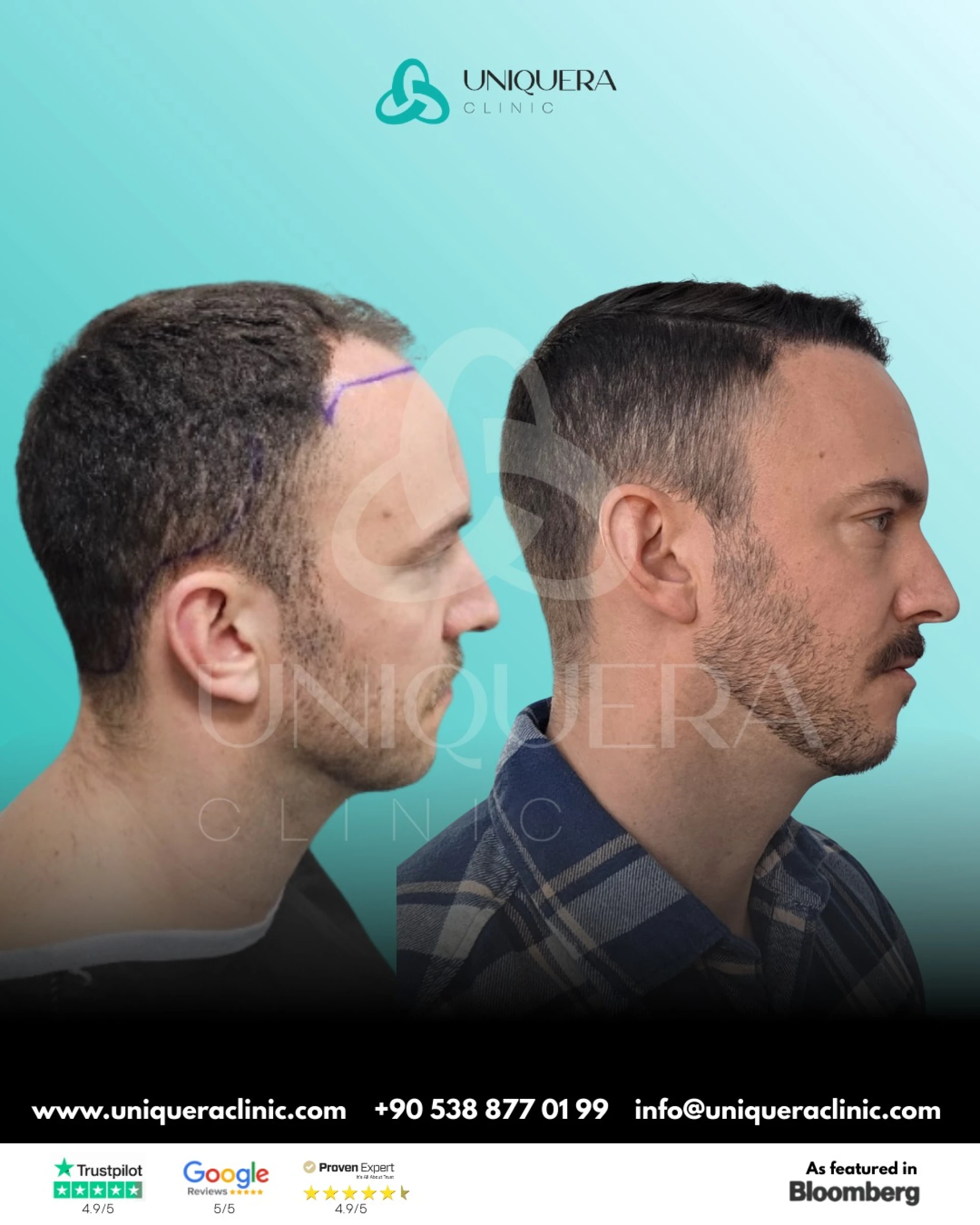
- Before/after photos of female patients specifically
- Whether the doctor is involved or not
- How they plan density (not just graft numbers)
- Honest reviews—not just perfect ones
UniqueRA Clinic, for example, talks about detailed planning and manual approaches, which might be reassuring if you’re worried about overdoing it.
Also… don’t rush into it. Sit with the decision for a bit.
A Few Real Thoughts Before You Decide
Hair, for many women, is tied to identity in a way that’s hard to explain.
So choosing something like DHI hair transplant for women isn’t just a cosmetic decision. It’s emotional too.
Some people feel more confident after. Others… still adjusting.
And that’s okay.
Also, this isn’t a one-time fix for everyone. Hair loss can continue, and you might need maintenance treatments later.
Not trying to scare you—just being real.
So… is DHI worth considering?
If you’re dealing with thinning and want something that blends naturally, DHI makes sense.
If you’re expecting instant, dramatic change overnight… that’s probably not how it works.
It’s more subtle. Gradual.
Kind of like watching your hair come back to life slowly, without making a big announcement about it.
And honestly, that quiet kind of change? It has its own charm.






























Sign in to leave a comment.