
Introduction
Today, everything is flexible. We live in and enjoy remote-first and hybrid work environments. But this means that measuring productivity is no longer optional. It has become essential. Organizations all over the world have now understood that how their teams perform matters. They want to identify bottlenecks and optimize workflows to stay competitive and ahead.
Managers often face challenges, too, when evaluating employee performance: Let me ask you this: How do you ensure that your employees are productive without micromanaging? Is it even possible? How do you track remote teams effectively? How can your decisions be made more data-driven rather than anecdotal?
The answer comes with modern tools and methods. You have technologies like employee productivity tracking software and time tracking software. They allow organizations to capture real-time insights about employee activity, the progress of their projects, and collaboration patterns. Solutions such as live screen monitoring software and time tracking with screenshots are heaven-sent for your leaders and managers. They come with accurate, actionable data without disrupting workflows at all.
In this guide, we are going to talk about the following and more:
- What team productivity really means for your business
- Why measuring productivity is critical, especially at this time and age
- 5 key methods to track and improve performance really fast
- How to monitor remote teams efficiently
What Is Team Productivity After All?
Team productivity refers to the efficiency and effectiveness with which your employees (in a team or group) complete any given tasks. How easily or with how much flair they achieve goals and deliver value to the business. Unlike individual productivity, which focuses primarily on personal output, team productivity is more complex and interesting. It considers collaboration, workflow, and collective outcomes.
Why It Matters now and in the future too
- Business Growth: You must have a few high-performing teams in your office. We all do, and we expect them to deliver projects much faster, improve business revenue, and reduce operational costs.
- Project Efficiency: Productivity tracking is crucial because it helps you identify hiccups, blockages, and bottlenecks, and also optimize task allocation.
- Employee Performance: Understanding team productivity highlights the almost invisible skill gaps, workload issues, and also some very critical areas for recognition or training.
Measuring productivity requires you to combine objective metrics with qualitative observations. Here, you will have to use tools like remote employee team tracking to ensure accuracy.
Why Measuring Team Productivity is so Important
Monitoring the productivity of your team is not at all about micromanagement, but we do assume it to be just that. It is time to change this trend. Remember, it’s about insight. Here’s why this change of perspective matters:
- Identifying Workflow Inefficiencies – Tracking where critical and daily tasks are getting stalled/delayed and optimizing resource allocation becomes easy.
- Improving Collaboration and Communication – Analyzing patterns of teamwork to enhance cross-functional efforts also leads to better cost control.
- Ensuring Accountability – Maintaining transparency in distributed and remote teams is very important. Why? You never know which employees might need relevant training or course correction.
- Optimizing Project Timelines – Using data to predict delivery times and prevent delays is a smart move. This cannot be done via guesswork.
- Making Smarter Decisions – If you want to make resource planning and staffing more data-driven, it is time to give more time to measuring team productivity.
Modern organizations leverage tools like employee productivity tracking software and time tracking software to gather these insights reliably.
5 Key Methods to Measure Team Productivity
Use Productivity Monitoring Tools
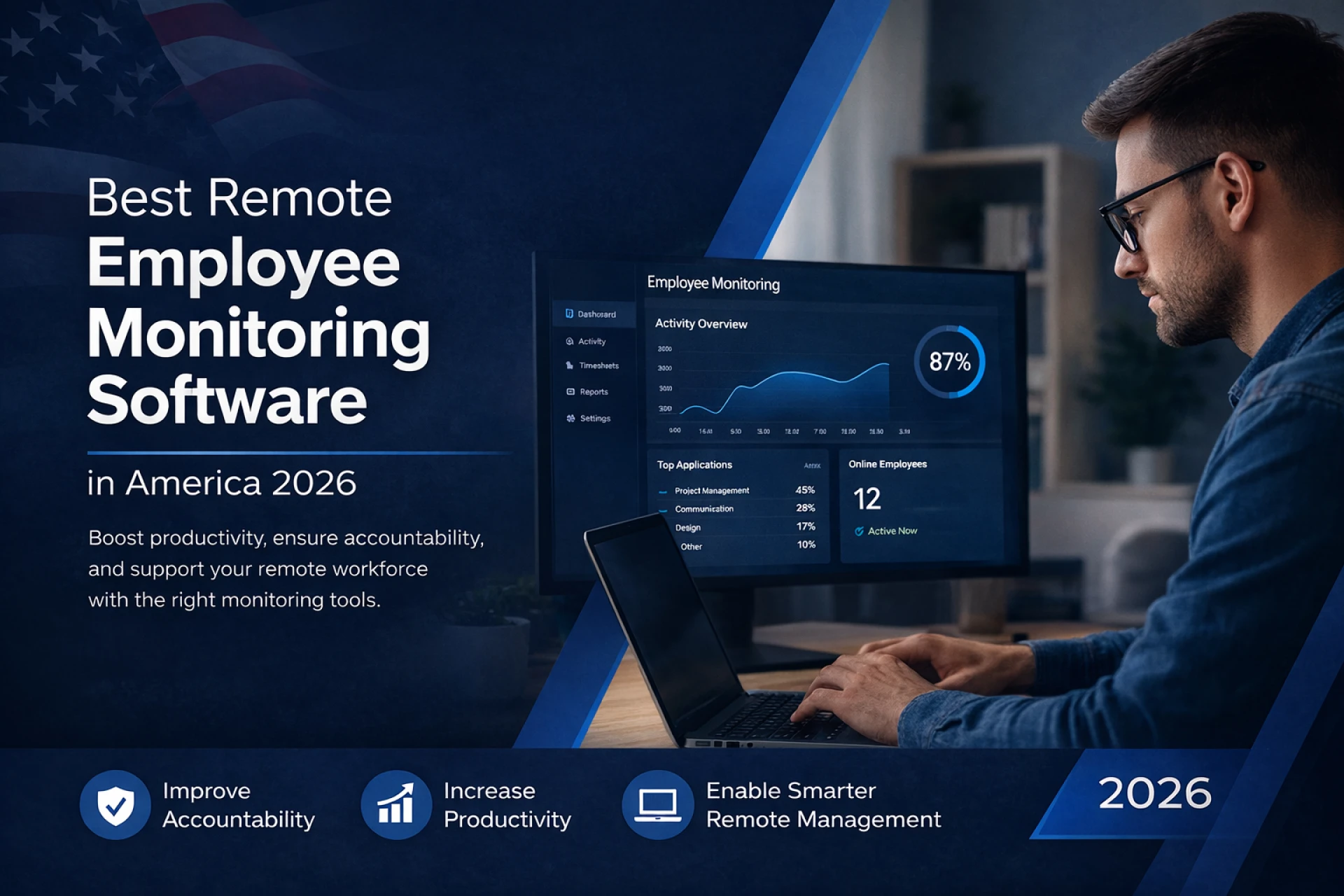
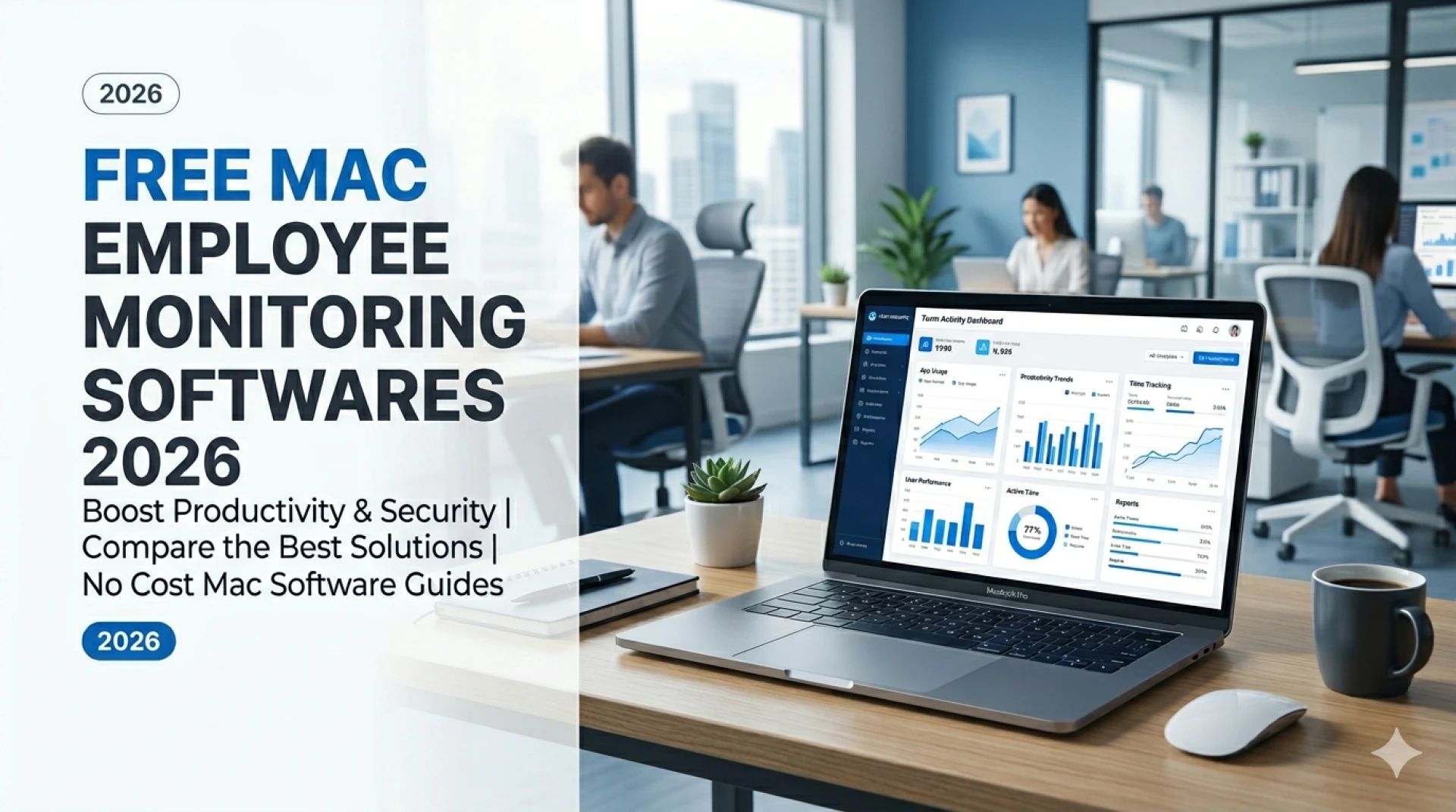
Have you ever used a tool that monitors employee activity in real-time and gives your managers a clear view of employee workflows? Sounds interesting, doesn’t it? Live screen monitoring software is particularly effective for distributed teams and does just this with flair. Features include:
- Tracking employee time spent on tasks, apps, and various websites
- Capturing periodic screenshots for context and better understanding
- Generating performance dashboards and detailed reports
Benefits:
- Real-time visibility into team activity
- Data-driven decisions on workflow adjustments that you might need
- Better workforce management throughout divisions and departments
A recent study by Hubstaff throws light on how these capabilities can be used while respecting employee privacy.
Measure Output vs Input (Productivity Formula)
The simplest method is calculating productivity using the output-to-input ratio. The employee productivity formula measures how efficiently your employees are able to convert their work hours and effort (input) into measurable results. These can be tasks completed or revenue generated (output). It is calculated as Productivity = Output ÷ Input, and it helps managers compare performance and optimize workflows.
Examples include:
- Tasks completed per day by your employee teams
- Revenue generated per employee
- Projects delivered per month
Why it works:
- It is very easy to calculate and compare across all your teams
- Also helps your managers recognize high performers and allocate resources better
Employee productivity tracking software automates these calculations. It also combines task completion metrics with work hours logged.
Track Progress Toward Team Goals
Defining clear objectives and KPIs is critical. Managers should track:
- Project completion rate
- Milestone adherence
- Delivery performance
Metrics examples:
- Percentage of tasks completed on time
- Average project completion time
- Quality ratings from internal reviews
A study done by Worklytics tells us clearly how remote employee team tracking simplifies this by allowing your managers to monitor collective progress across departments in real-time.
Collect Employee Feedback and Surveys
Quantitative data alone is never going to tell you the full story. You will have to take pains to gather qualitative insights. How they work, let’s talk:
- You can conduct surveys to identify workflow challenges
- Make sure to collect 360-degree feedback from peers and supervisors
- Detect communication gaps that slow down or hamper productivity
Benefits:
- Reveals any and all hidden obstacles to performance
- Improves team culture and engagement beyond just deadlines
- Enhances collaboration strategies within levels and divisions
Combining survey results with metrics from time tracking software creates a holistic view of productivity.
Measure Focus Time vs Distractions
Knowing how much time employees spend on deep, focused work versus interruptions is crucial. Time tracking with screenshot allows managers to:
- Monitor meeting hours versus productive task time
- Track time spent on non-work applications
- Identify trends in distraction and multitasking
Goal: Increase focus time to improve output and employee satisfaction.
Proper adoption of employee productivity tracking software helps avoid these pitfalls by focusing on performance outcomes rather than mere surveillance.
Best Practices to Improve Team Productivity
- Always remember to set clear expectations and goals and then make sure to align all the tasks with KPIs.
- Use productivity tools and analytics because they help you leverage time tracking software for insights.
- Reduce unnecessary meetings and this is something that I mean from my heart. Try to prevent your focus time from getting wasted.
- Encourage and support deep work and also remember to track and reward focused productivity.
- Provide regular feedback and develop means to recognize achievements and address gaps.
Example: MaxelTracker
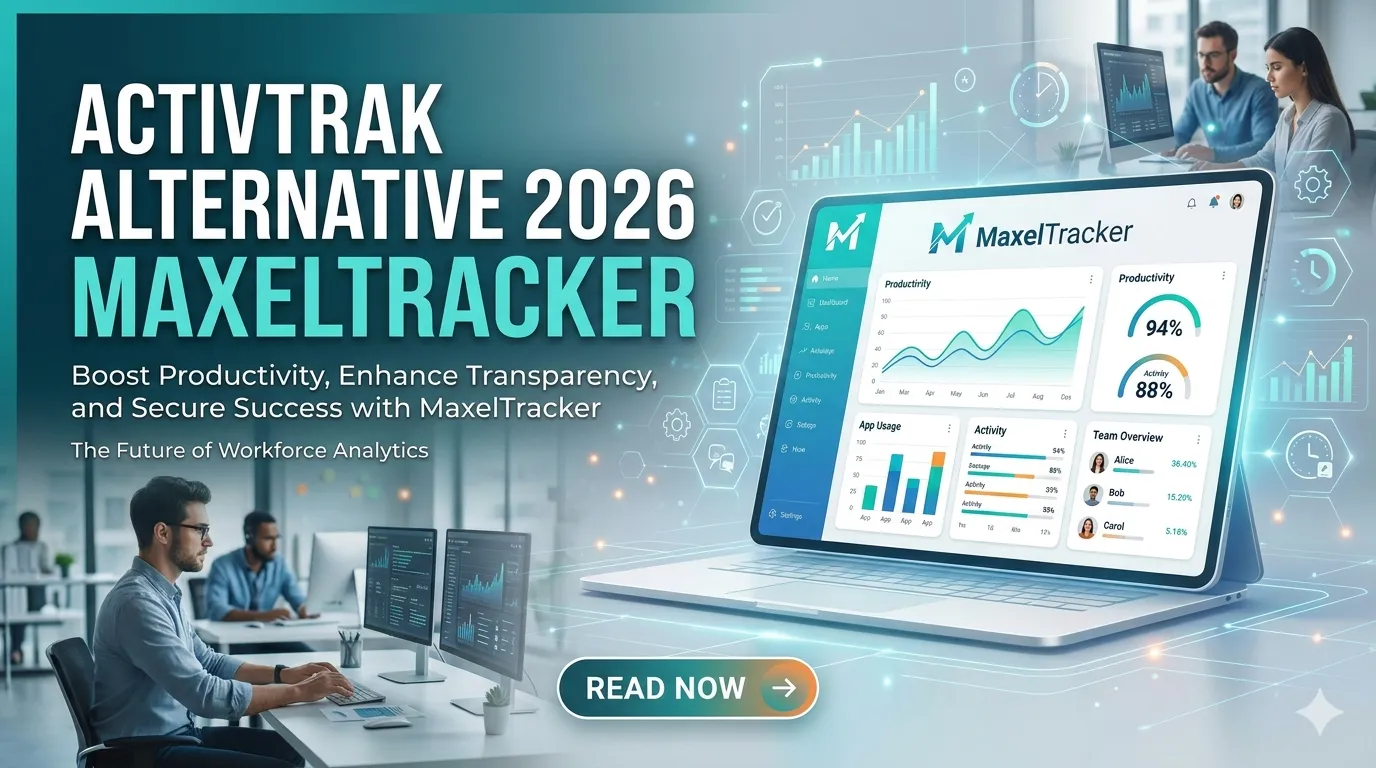
Businesses seeking a reliable solution can explore MaxelTracker. It offers seamless employee productivity tracking software, time tracking software, time tracking with screenshot, and remote employee team tracking capabilities. With its analytics dashboards and live screen monitoring software, MaxelTracker enables managers to measure productivity accurately while supporting employee growth.
Conclusion
Measuring team productivity, as I said before, is essential in today’s hybrid and remote-first workplace environments. By combining employee productivity tracking software, time tracking with screenshots, and live screen monitoring, your managers can gain actionable insights into team performance.
Organizations that adopt these tools are able to track outcomes instead of just hours. They can also integrate feedback into workflow improvements, which can enhance efficiency, collaboration, and employee satisfaction. Right now, tools like MaxelTracker help your business implement these strategies without compromising employee trust. They empower your teams to achieve their full potential every day.




















Sign in to leave a comment.