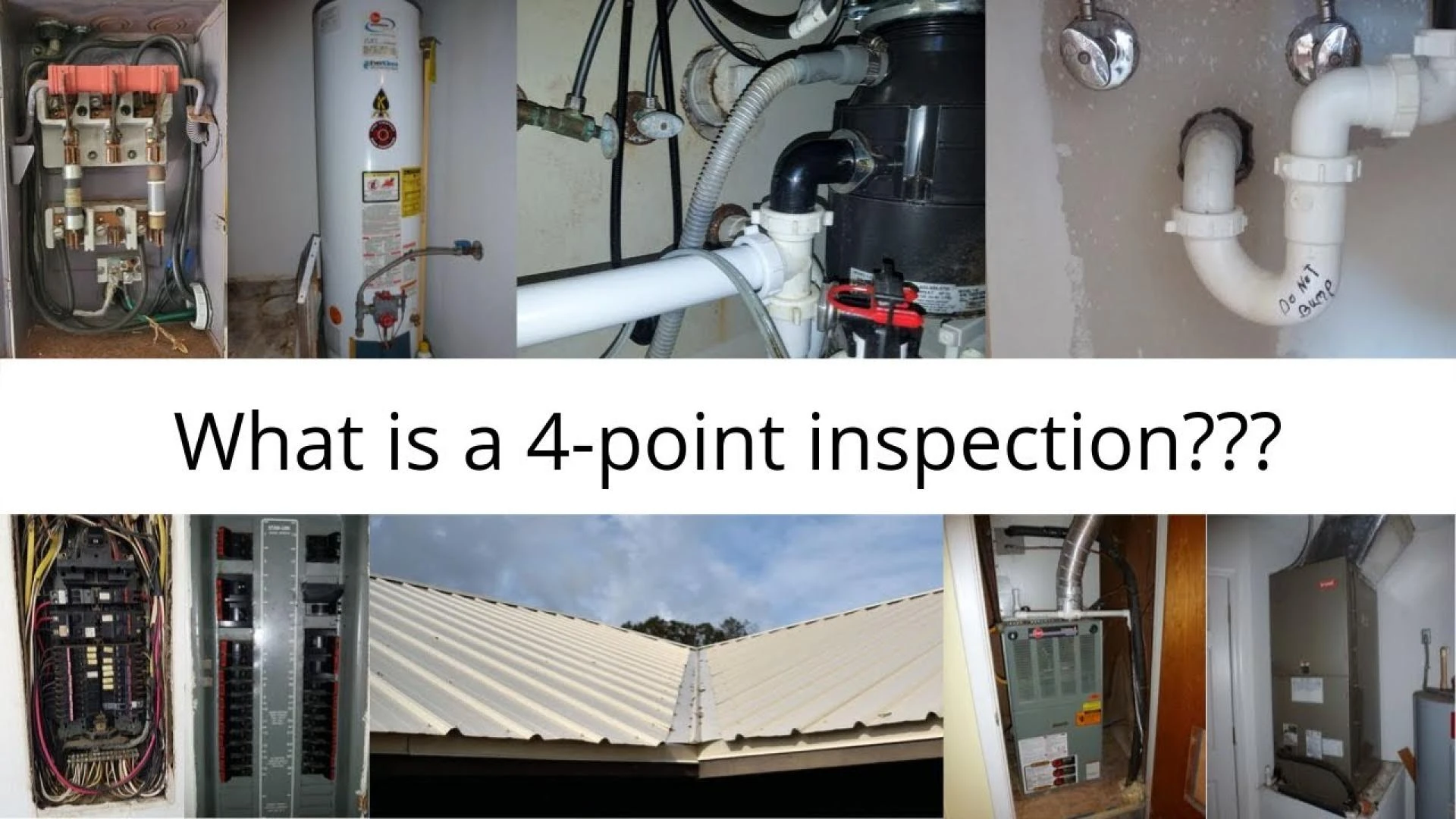

Why This Matters: Insurance, Safety, and Peace of Mind
If you're a homeowner or in the process of buying an older home, you've probably heard the term “4-point home inspection.” But what is it really, and why is it so important?
Simply put, this inspection focuses on four key systems—your roof, electrical, plumbing, and HVAC. Insurance companies rely on it to decide whether they’ll insure your property, and if so, at what cost. Failing the inspection can mean delays, higher premiums, or even flat-out denial.
At Guardian Angel Inspections Service, we’ve helped thousands of homeowners pass their 4-point inspections with confidence. In this guide, we’ll walk you through what to expect and how to prepare—with practical advice, real-world examples, and zero fluff.
Key Takeaways:
- Understand what a 4-point inspection covers
- Learn the most common reasons for failure
- Get actionable tips to fix issues before the inspector arrives
- Boost your chances of getting insurance approved quickly
What Is a 4-Point Home Inspection, Exactly?
Unlike a full home inspection, which covers every nook and cranny, a 4-point inspection focuses on the "big four" systems:
- Roof
- Electrical system
- Plumbing
- HVAC (heating and cooling)
Most insurance providers require this for homes older than 25–30 years. Why? Because these four areas are the biggest sources of risk for claims.
Natural query: “Can I get homeowners insurance without passing a 4-point inspection?”
Short answer: Not likely. Especially in states like Florida, where insurers won’t even quote without passing this first.
Roof: The #1 Reason Inspections Fail
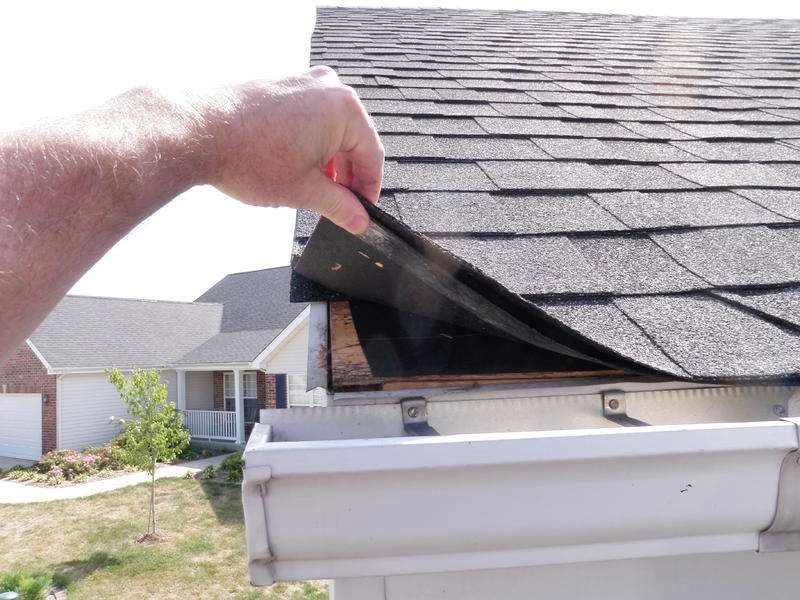
The roof is usually the first thing we look at—and for good reason. If it's leaking, sagging, or just plain old, it's a red flag.
What We Check:
- Age of the roof (insurers often want it under 20 years)
- Shingles or tiles: missing, curling, or cracked?
- Soft spots or signs of moisture inside the attic
- Flashing, gutters, and ventilation
Pro Tip:
If your roof is nearing the 20-year mark—even if it’s not leaking—it might be time to start budgeting for a replacement. Many insurers now require documentation showing it has at least 3–5 years of life left.
Case Example: One of our clients in Broward County had a 22-year-old roof that “looked fine.” But we spotted cracked flashing and brittle shingles. After a partial reroof and some minor repairs, they passed and locked in a solid insurance rate.
Electrical System: Safety First
Electrical issues aren’t just about outdated systems—they’re about fire hazards. And no insurance company wants to take on that risk.
What We Look For:
- Type of wiring (aluminum, knob-and-tube = bad news)
- Electrical panel brand (some older brands are known fire risks)
- GFCI outlets where required (kitchens, bathrooms, exterior)
- Proper grounding and no exposed wires
Watch Out For:
- Zinsco and Federal Pacific panels (these are automatic inspection fails)
- Double-tapped breakers or overcrowded panels
Real Talk:
If your home still has two-prong outlets or a fuse box, it’s time for an upgrade. These aren’t just outdated—they’re dangerous.
Plumbing: Old Pipes, Big Problems
Insurance providers worry about plumbing because water damage = big claims. Even small drips can become major issues over time.
Our Focus Areas:
- Pipe materials (polybutylene and galvanized steel are red flags)
- Signs of active or past leaks
- Water heater age and condition
- Drainage and fixture stability
Easy Fixes:
- Replace old valves under sinks and toilets
- Add a drain pan under your water heater (if one’s missing)
- Re-seal around tubs and showers
Pro Tip: If your water heater is 15+ years old, you might want to replace it preemptively. It’s one of the most common reasons people fail a 4-point inspection.
HVAC: Comfort and Code
Heating and cooling systems need to be functional, safe, and efficient. If your A/C doesn’t cool or your furnace looks like it’s from the ’70s, it’s time to act.
What We Inspect:
- Age and condition of the unit
- Visible damage to ductwork or vents
- Proper drainage from A/C units
- Clean filters and no mold or biological growth
Maintenance Tip:
Schedule a service check before your inspection. A quick tune-up can fix minor issues and help your system pass without needing replacement.
Quick Checklist Before Your Inspection
Here’s a fast way to prepare. Check these off and you’ll be ahead of the game:
System To-Do Item
Roof Repair leaks, check flashing, clean gutters
Electrical Update panels, add GFCIs, secure wires
Plumbing Replace old pipes, fix visible leaks
HVAC Clean ducts, service unit, check for mold
Common Questions (and Straight Answers)
Q: Can I pass a 4-point inspection with an old roof?
A: If it’s over 20 years old, your chances are slim—unless it’s in pristine condition with proof of life expectancy.
Q: What if I fail?
A: You’ll get a report detailing what to fix. Once the issues are resolved, you can schedule a re-inspection.
Q: Does Guardian Angel help with repairs too?
A: While we don’t perform repairs ourselves, we’ll recommend trusted contractors and give you a clear action plan.
Real Homeowner Win: The Garcia Family
The Garcias were selling their 1980s home in Palm Beach County. Their inspection flagged a 28-year-old roof and outdated plumbing. They contacted Guardian Angel Inspections Service early, which allowed them time to fix the roof, update some piping, and avoid a failed inspection during the sale.
Result: Passed with flying colors, received multiple offers, and closed in 30 days.
Final Thoughts: Set Yourself Up for Success
Passing a 4-point home inspection doesn’t have to be stressful. With a little prep and the right expert guidance, you can avoid the common pitfalls—and maybe even lower your insurance rates.
At Guardian Angel Inspections Service, we’re here to help you every step of the way. Whether you're selling, buying, or just updating your policy, a clean inspection gives you leverage and peace of mind.
Ready to Book Your 4-Point Inspection?
Don’t leave it to chance. Contact Guardian Angel Inspections Service today and let our licensed professionals walk you through the process—from inspection to certification.
👉 Call us or visit www.guardianangelinspections.com to schedule your appointment.
Let’s make sure your home is safe, insurable, and ready for what’s next.


























Sign in to leave a comment.