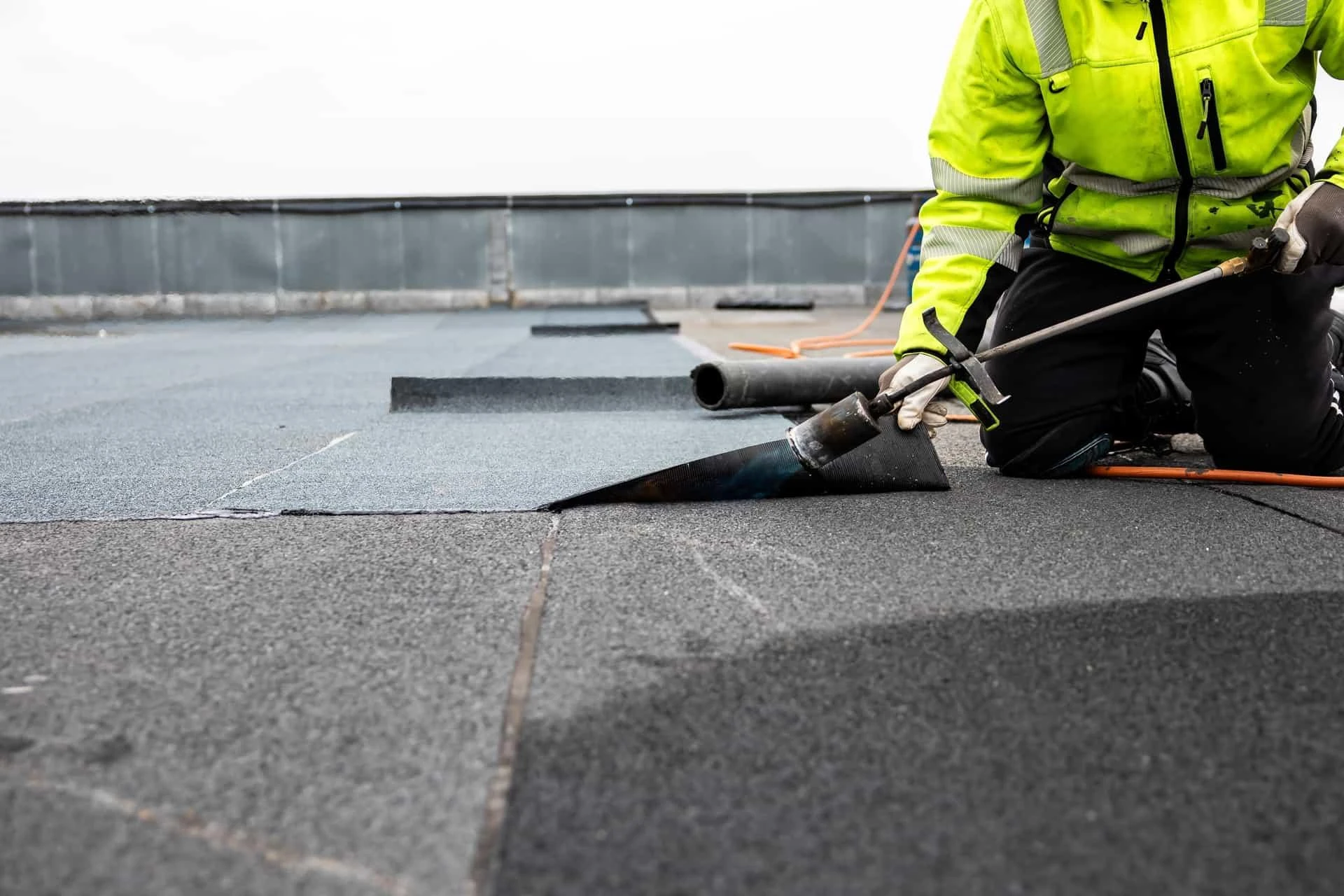

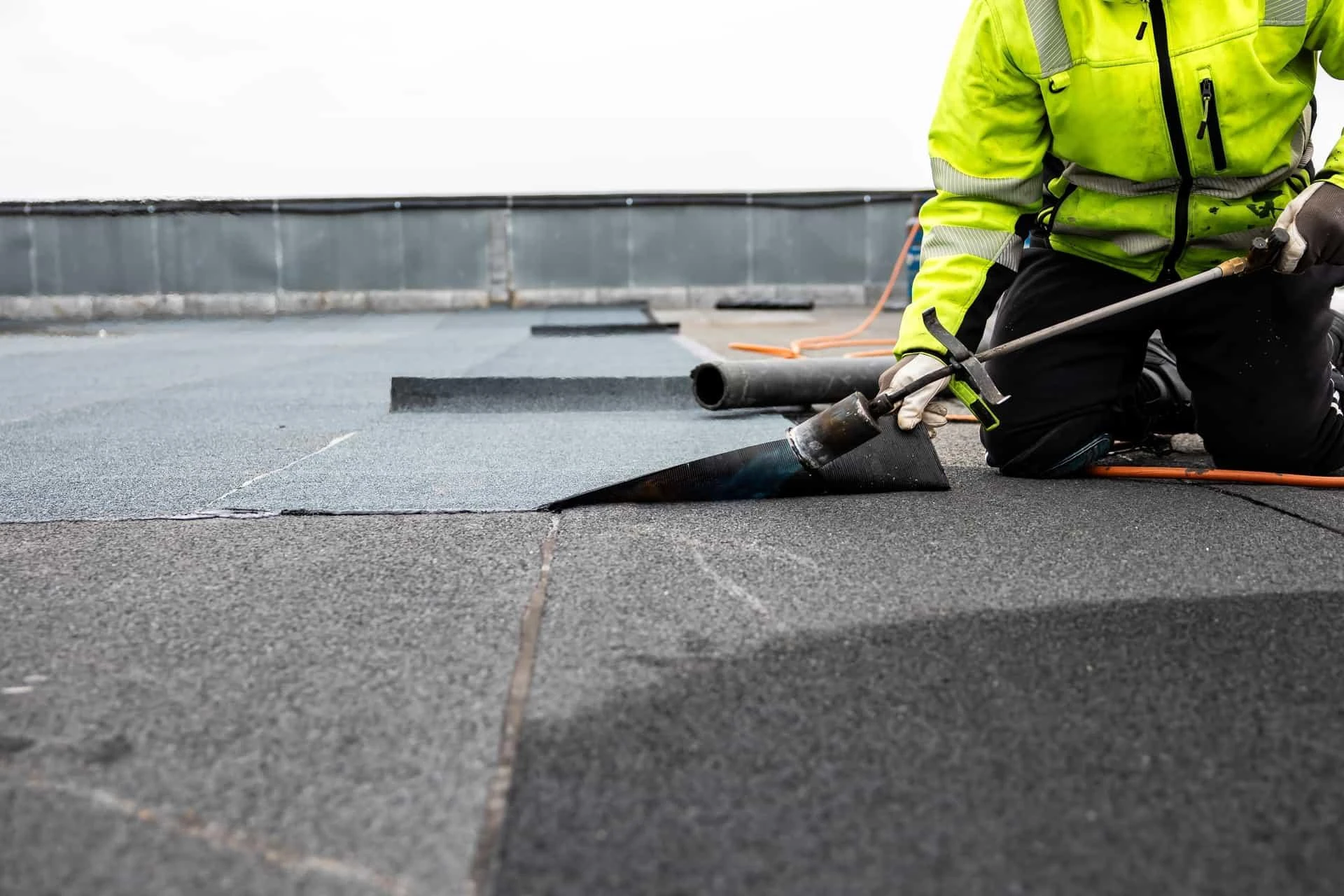
When it comes to affordable roofing options, roll roofing often comes up as a top contender. But is it truly a good choice for your structure? Is it reliable, and where does it shine—or fall short?
In this blog, we’ll explore the key benefits and limitations of roll roofing, highlight where it works best, and offer practical advice to help you decide if it’s the right solution for your roofing needs.
What You'll Discover:
- The pros and cons of roll roofing
- Ideal use cases for roll roofing
- When to explore alternative materials
- Expert answers to common questions
Understanding Roll Roofing
Roll roofing is an asphalt-based material, similar in composition to asphalt shingles but supplied in large rolls. It’s typically used on low-slope roofs and is most often found on sheds, garages, porches, and utility buildings.
The material is popular for its cost-effectiveness and ease of installation, making it a convenient option for smaller structures and DIY projects.
Advantages of Roll Roofing
Simple & Fast Installation
Because roll roofing comes in long sheets, it’s quicker to apply compared to individual shingles. It’s often installed in a single layer, saving both time and labor.
Budget-Friendly
Roll roofing is one of the most economical roofing materials available, making it a go-to for structures where budget constraints are a concern.
Lightweight & Easy to Handle
Its lightweight nature makes transportation and installation more manageable, especially for small buildings or when working solo.
Suitable for Low-Slope Roofs
Roll roofing performs best on roofs with minimal pitch, providing basic waterproofing for structures that don’t require high-end materials.
Drawbacks of Roll Roofing
Limited Lifespan
Most roll roofing products last 5 to 10 years, far less than more durable options like asphalt shingles or metal roofs, which can last 20+ years.
Basic Appearance
This material has a very plain, utilitarian look. It’s not ideal for properties where aesthetics are a priority, such as homes or commercial storefronts.
Prone to Damage
Extreme weather conditions can lead to cracking, tearing, or lifting—especially if the material is improperly installed or seams aren’t sealed correctly.
Inappropriate for Steep Roofs
Roll roofing isn’t designed for steep-sloped roofs. It can become compromised by gravity and water runoff, increasing the risk of leaks.
Roll Roofing Insights from the Field
At Guardian Angel Inspections, we’ve encountered numerous cases where roll roofing was applied to sheds, patios, and similar structures. The most frequent issue we identify? Improper installation, including loose edges or poor seam alignment, which can lead to premature leaks or surface bubbling.
Key lesson: Even though it's simple to install, proper surface prep and correct application techniques are essential to ensure performance.
When Roll Roofing Makes Sense
Roll roofing is a practical solution for:
- Detached garages
- Storage sheds
- Workshops or barns
- Temporary roofing needs
- DIY home improvement projects
If you're roofing a low-pitched surface and need a quick, cost-effective fix, roll roofing may be exactly what you need.
When to Consider Alternatives
Roll roofing isn’t ideal if:
- You're roofing a residential home
- The roof has a steep pitch
- You need a long-term solution
- You’re concerned about curb appeal or property value
In these scenarios, it's better to consider asphalt shingles, metal roofing, or other more robust materials.
Common Questions About Roll Roofing
Is roll roofing good for houses?
Not typically. It’s best for small, non-residential structures. Homes require more durable and visually pleasing materials.
How long does roll roofing last?
Generally, 5 to 10 years, depending on the climate, installation, and maintenance.
Can I install roll roofing myself?
Yes, many homeowners handle roll roofing installations themselves. Still, following proper guidelines and ensuring accurate overlap is crucial.
Is roll roofing fully waterproof?
If installed correctly, yes—but it's not as resistant to wear and tear as other materials.
Can you apply roll roofing over existing roofing?
It’s not advisable. Removing the old material ensures a more secure and long-lasting finish.
Final Verdict: Is Roll Roofing Worth It?
So, is roll roofing a good option?
It can be, if you're covering a small, low-slope structure on a tight budget. It’s not a long-term solution, nor is it ideal for primary homes, but for sheds, garages, and similar uses—it’s functional, fast, and affordable.
Need Professional Insight on Your Roof?
At Guardian Angel Inspections, our experts evaluate all types of roofing systems and help homeowners and property managers make informed decisions. Whether you're considering roll roofing or need a full roof inspection, we're here to help.
Contact us today to schedule your roof inspection or get expert advice tailored to your property needs.


























Sign in to leave a comment.