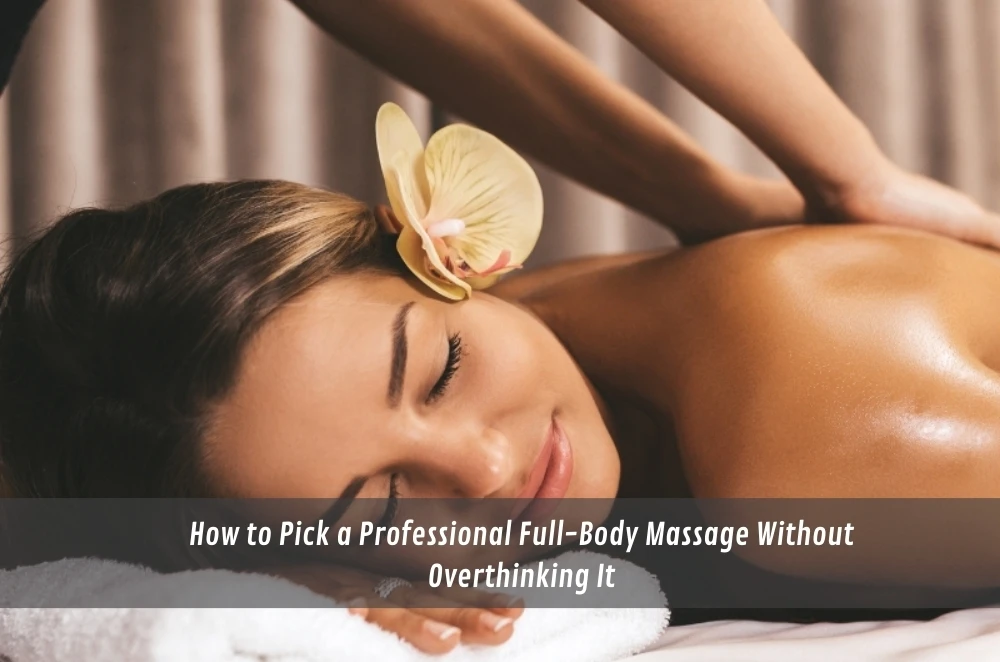

A full-body massage sounds simple: choose a time, show up, relax—especially when you’re trying to find a massage therapist in central Townsville.
In real life, the “right” massage is the one that matches what your body can actually handle today, not what sounded impressive when you booked it.
People often blame themselves when a session doesn’t land (“Maybe I just don’t like massage”).
Usually it’s just a mismatch: too hard, too rushed, wrong focus areas, or you didn’t get a chance to properly settle.
Start with what you want to walk out feeling
Forget the fancy names for a moment and ask one question: what do you want afterwards?
Not forever, not next month — afterwards.
If you want to feel calmer and less wound-up, you’re looking for a relaxation-leaning session and a pressure level you can breathe through.
If you want to feel like certain areas (shoulders, hips, calves) got proper attention, you’ll want a session that allows time for those spots and a therapist who checks in, not someone who “powers through”.
Massage can be a great wellbeing tool.
It’s not a diagnosis, and it’s not a substitute for medical care.
If something feels sharp, escalating, or is paired with symptoms you can’t explain, it’s sensible to get proper advice first.
A good massage should leave you feeling cared for, not worried.
The common “full-body” styles and what they actually feel like
Different places use different labels, so think in sensations, not buzzwords.
Relaxation-style full body
This is the “I need my brain to stop buzzing” option.
Pressure is usually light to medium, and the pace is steady and comforting.
The trade-off is obvious: if you’re craving a lot of work into tight areas, it might feel like it skipped the problem zones unless you ask for more focus or firmer pressure.
Firmer pressure / deep-style work
If you like a stronger massage — especially through upper back, glutes, legs — this can feel satisfying.
But stronger doesn’t automatically mean better.
The trade-off is that going too hard too quickly can trigger bracing (your body tenses against the work), and then you’re not relaxing even if you’re lying still.
Targeted, technique-led sessions
Some massages are more “let’s work a plan” than “floaty and calming”.
That can be brilliant when you have clear areas that need attention, but it relies on communication.
The trade-off is that you need to speak up sooner rather than later, because a targeted approach without feedback can drift into “too much” fast.
Decision factors that matter more than the massage name
If you only sort out a few things, sort out these.
Pressure: pick a range and say it clearly
Try a simple scale out of 10.
“I’m usually a 6/10 overall, but please stay lighter on my neck” is far more useful than “not too hard”.
Focus areas: full-body doesn’t mean equal minutes everywhere
Want shoulders and upper back to be the priority? Say it at the start.
If you don’t, the therapist may spread the time evenly — and you’ll leave thinking, “That was nice, but it didn’t touch the main issue.”
Time: match the session length to the job
Short sessions can work, but full-body coverage plus focus areas can feel rushed.
If you’ve ever stood up thinking “Wait, are we done already?”, that’s usually a time-allocation issue, not a massage issue.
Also consider what you’re doing afterwards.
If you’re heading straight into a long drive, school pickup, or a packed afternoon, you might prefer a calmer session rather than the most intense work available.
If it helps to compare session types in plain language before choosing, the PAUSE Cosmetic Skin Clinic massage services guide is a straightforward reference point.
Common mistakes people make (and how to avoid them)
The biggest mistake is treating massage like a standard product rather than a service you can shape with a few words.
You’re allowed to have preferences — and you’re allowed to change them mid-session.
Mistake 1: Choosing “deep” because it sounds like it will do more.
A massage that’s slightly lighter but lets your body soften often feels better afterwards than one that turns into a grit-your-teeth endurance test.
Mistake 2: Staying silent when something is off.
If the pressure spikes, a position is uncomfortable, or an area feels too sensitive, say it early. Most therapists would rather adjust quickly than guess.
Mistake 3: Expecting one session to cancel out weeks of stress and posture habits.
You didn’t get tight overnight, so it’s fair that your body may need more than one go to feel consistently different.
Operator Experience Moment
A surprising pattern: when someone arrives already stressed, “harder” often makes them guard.
They don’t always notice they’re bracing until the therapist checks in and they realise they’re holding their breath.
The sessions that work best are usually the ones where pressure builds gradually, and the client gives one or two clear cues early.
Practical Opinions (exactly 3 lines)
Start with comfort, then go firmer only if you’re still breathing easily.
If you want full-body and focus areas, give it enough time to not feel rushed.
A steady rhythm of sessions usually beats one super-intense session.
A simple 7–14 day plan that makes massage more useful
This isn’t about turning massage into homework.
It’s about not starting from scratch every time.
Days 1–2: Write a one-sentence goal and choose your pressure number out of 10.
Days 3–5: Book a session length that matches your goal, and decide your top two focus areas.
Days 6–7: Arrive a few minutes early, drink water normally, and let yourself settle before you get on the table.
Days 8–10: After the session, keep movement gentle, and note anything that felt too intense or not addressed.
Days 11–14: Use that note to adjust next time (pressure, focus areas, or session length) rather than guessing again.
Local SMB mini-walkthrough: Pimlico / Townsville booking choices that make sense
Decide first: are you chasing relaxation, or firmer work into specific areas?
When booking, ask how they check pressure during the session (a quick check-in can change everything).
Pick a time when you’re not sprinting back to errands straight after, because your body settles better when it’s not rushed.
If you train outdoors or do physical work, mention which areas get loaded most — calves, hips, lower back, shoulders.
After your first session, save one line in your notes: “More/less pressure; more time on X; less time on Y.”
Bring that line to the next booking and you’ll get a better fit faster.
Key Takeaways
- Decide your goal, pressure range, and priority areas before you book.
- Massage names matter less than pressure, time, and communication.
- Speak up early; it’s normal and it improves the session.
- Use a 7–14 day feedback loop so each session gets more tailored.
Common questions we hear from Australian businesses
How often should staff book massages if the goal is general wellbeing?
Usually it depends on budget, workload, and whether massage is part of a broader wellbeing plan. A practical next step is to trial a simple cadence (say, monthly for a small group) and collect quick feedback on what felt worthwhile. In Townsville, seasonal workload surges and heat can affect how people feel week to week, so timing matters.
What should someone say if they don’t know which style to pick?
In most cases, say your goal (relaxation or firmer work), give a pressure number out of 10, and name your top two focus areas. A practical next step is to keep that as a saved note so you can repeat it easily next time. Locally, shift workers often benefit from booking when they can wind down afterwards.
Is firmer pressure always better for tight muscles?
It depends on whether your body can stay relaxed under that pressure. A practical next step is to start moderate, then ask for gradual increases only if you’re not holding your breath or tensing your shoulders. In North Queensland, hydration and recovery habits can change how you feel the next day, especially in hotter months.
What if someone feels sore the following day?
Usually mild tenderness can happen, particularly after a first session or higher pressure, but it shouldn’t feel alarming or progressively worse. A practical next step is to request a gentler build-up next time and keep movement light for 24 hours. In Pimlico/Townsville, bouncing between air-con and outdoor heat can make your body feel “tight” again quickly, so ease back into activity.



























Sign in to leave a comment.