
Table of Contents
- Introduction
- Why Proper Tree Planting Matters
- Planning Before You Dig
- Evaluate Sunlight and Space
- Understand Your Soil
- Choose a Tree That Fits the Site
- Step-by-Step Guide: How to Plant a Tree
- Measure and Prepare the Planting Hole
- Inspect and Prepare the Roots
- Set the Tree at the Correct Height
- Backfill and Water Correctly
- Aftercare During the First Year
- Watering Schedule
- Mulching Best Practices
- Monitoring and Early Maintenance
- Seasonal Tips for Planting Trees
- Conclusion
- Book a Tree Service Today!
- Frequently Asked Questions
Key Takeaways
- Learning how to plant a tree correctly improves root development and structural stability.
- Site preparation and species selection influence long-term growth more than fertilizer.
- Planting depth is one of the most critical factors for tree survival.
- Consistent watering and proper mulching support establishment during the first year.
- Avoid rushing the process; careful planning prevents future landscape problems.
Introduction
Understanding how to plant a tree properly is one of the most valuable skills for homeowners and property managers who want healthy, long-lasting landscapes. While planting trees may appear straightforward, improper depth, poor soil preparation, or neglect during early care can limit growth for years.
Whether you are adding shade to your backyard, improving curb appeal for a commercial property, or investing in long-term environmental benefits, planting trees requires thoughtful preparation. This guide provides a practical, step-by-step framework designed to help you make informed decisions and avoid common planting errors.
Why Proper Tree Planting Matters
Trees are long-term investments. A well-planted tree can thrive for decades, while a poorly planted one may struggle from the start. Roots need oxygen, stability, and access to moisture. If they are compressed, buried too deep, or placed in poorly drained soil, the tree’s structural integrity can weaken over time.
Correct planting also reduces future maintenance. When trees establish strong root systems early, they are more resistant to drought, pests, and storm damage. For property owners, this translates into fewer corrective interventions and lower long-term care costs.
Planning Before You Dig
Evaluate Sunlight and Space
Before you begin planting trees, examine the intended location throughout the day. Most shade trees require at least six hours of direct sunlight. Ornamental varieties may tolerate partial shade.
Also consider the mature height and canopy spread. Planting too close to driveways, sidewalks, buildings, or overhead lines can create expensive conflicts later. Roots require room underground just as branches need space above ground.
Understand Your Soil
Healthy soil provides structure and nutrients. Conduct a simple soil assessment by observing drainage after rainfall. If water remains pooled for several hours, drainage improvements may be necessary.
Compacted soil restricts root expansion. Loosening the surrounding area and incorporating organic material can improve texture and water infiltration. However, avoid over-amending the planting hole itself, as this can discourage roots from growing outward.
Choose a Tree That Fits the Site
Selecting the right species is often more important than the planting technique itself. Consider:
- Climate adaptability
- Resistance to local pests and diseases
- Water requirements
- Mature size
Native or regionally adapted trees typically establish more successfully because they are suited to local environmental conditions.
Step-by-Step Guide: How to Plant a Tree
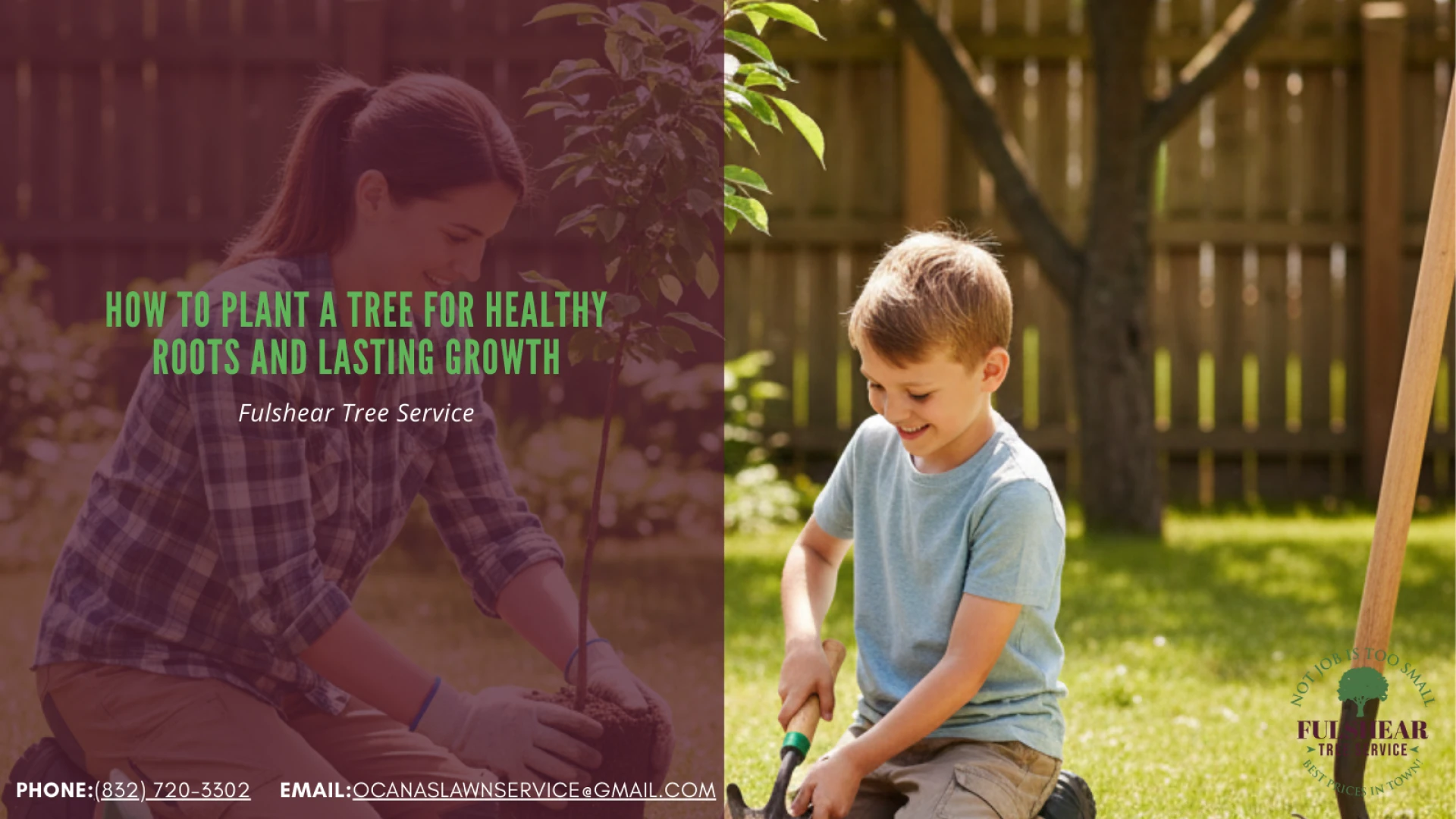
If you have ever wondered, how do you plant a tree correctly without harming its roots, follow this structured approach.
Measure and Prepare the Planting Hole
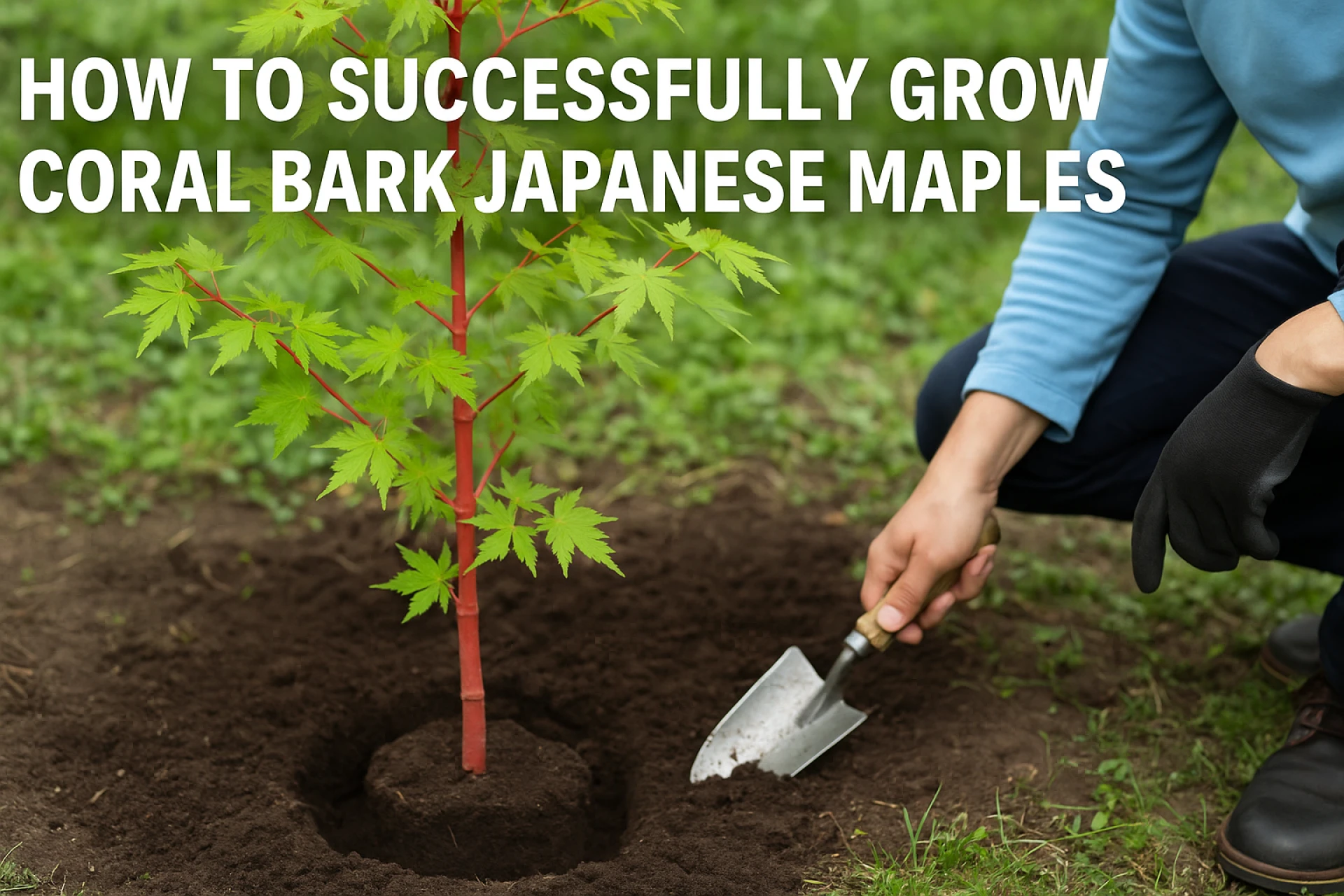
Dig a hole that is two to three times wider than the root ball but no deeper than its height. Width encourages lateral root growth, which improves stability. Depth is critical; the top of the root ball should sit level with or slightly above the surrounding soil surface.
Avoid digging too deep. Trees planted below grade often experience oxygen deprivation and slow decline.
Inspect and Prepare the Roots
Carefully remove the container or burlap. Inspect the roots for circling patterns, which commonly occur in container-grown trees. Gently loosen or trim problematic roots to encourage outward growth.
Healthy roots should spread naturally into the surrounding soil. This step reduces the risk of girdling roots that can constrict trunk growth later.
Set the Tree at the Correct Height
Position the tree upright in the center of the hole. The trunk flare, where the trunk begins to widen at the base, should remain visible above soil level.
If necessary, adjust soil beneath the root ball before backfilling. Avoid burying the trunk flare, as excessive soil around the base can lead to rot and structural weakness.
Backfill and Water Correctly
Use the original soil to refill the hole. Lightly firm the soil as you go to eliminate large air pockets without compacting it excessively.
After planting, water slowly and thoroughly. This initial watering helps settle the soil around the roots and ensures good soil-to-root contact.
Aftercare During the First Year
Planting trees successfully does not end once the soil is filled in. The first year is critical for root establishment.
Watering Schedule
New trees require consistent moisture. Deep watering once or twice per week is typically sufficient, depending on rainfall and soil type. The goal is to moisten the root zone without saturating it.
Shallow, frequent watering encourages weak surface roots, which reduce drought tolerance.
Mulching Best Practices
Apply two to four inches of organic mulch around the base, extending outward in a wide ring. Keep mulch a few inches away from the trunk to prevent moisture buildup against the bark.
Mulch regulates soil temperature, reduces evaporation, and suppresses competing weeds.
Monitoring and Early Maintenance
Inspect your tree regularly for:
- Wilting or leaf discoloration
- Soil settling
- Pest activity
- Mechanical damage from lawn equipment
Staking may be necessary in windy areas, but remove supports after one growing season to allow natural trunk strengthening.
Avoid heavy pruning during the first year. Limit trimming to dead or damaged branches.
Seasonal Tips for Planting Trees
Timing can influence success. In many climates, early spring and fall provide moderate temperatures and consistent rainfall, creating favorable conditions for root establishment.
Planting during extreme summer heat increases water stress, while frozen winter ground limits root growth. Aligning planting efforts with mild weather improves establishment rates and reduces transplant shock.
Conclusion
Learning how to plant a tree is about more than digging a hole and placing a sapling in the ground. It requires evaluating site conditions, selecting the appropriate species, planting at the correct depth, and providing attentive aftercare.
By approaching the process methodically, homeowners and property managers can create landscapes that remain healthy and structurally sound for decades. Proper planning today reduces costly maintenance tomorrow and supports long-term environmental value.
Book a Tree Service Today!
If you would prefer professional guidance with planting trees, site evaluation, or long-term care, experienced tree specialists can help ensure proper installation and early maintenance.
Book a Tree Service today!
Contact Fulshear Tree Service for expert assistance with tree selection, planting, and ongoing management. Call (832) 720-3302 or email [email protected] to schedule a consultation.
Frequently Asked Questions
1. How do you plant a tree in compacted soil?
Loosen the surrounding soil beyond the planting hole to encourage root expansion. Incorporating organic matter can improve structure, but avoid creating a highly amended pocket that traps roots.
2. When is the best time for planting trees?
Early spring or fall generally provides ideal conditions due to moderate temperatures and improved soil moisture levels.
3. How much water does a newly planted tree need?
Most newly planted trees require deep watering once or twice weekly during the first growing season, depending on rainfall and soil drainage.
4. Should fertilizer be added at planting time?
Fertilizer is not always necessary during planting. Excess nutrients can encourage rapid top growth before roots establish. Soil testing provides better guidance.
5. What is the most common mistake when learning how to plant a tree?
Planting too deep is one of the most frequent errors. Ensuring the trunk flare remains visible above the soil line helps promote long-term stability and health.


























Sign in to leave a comment.