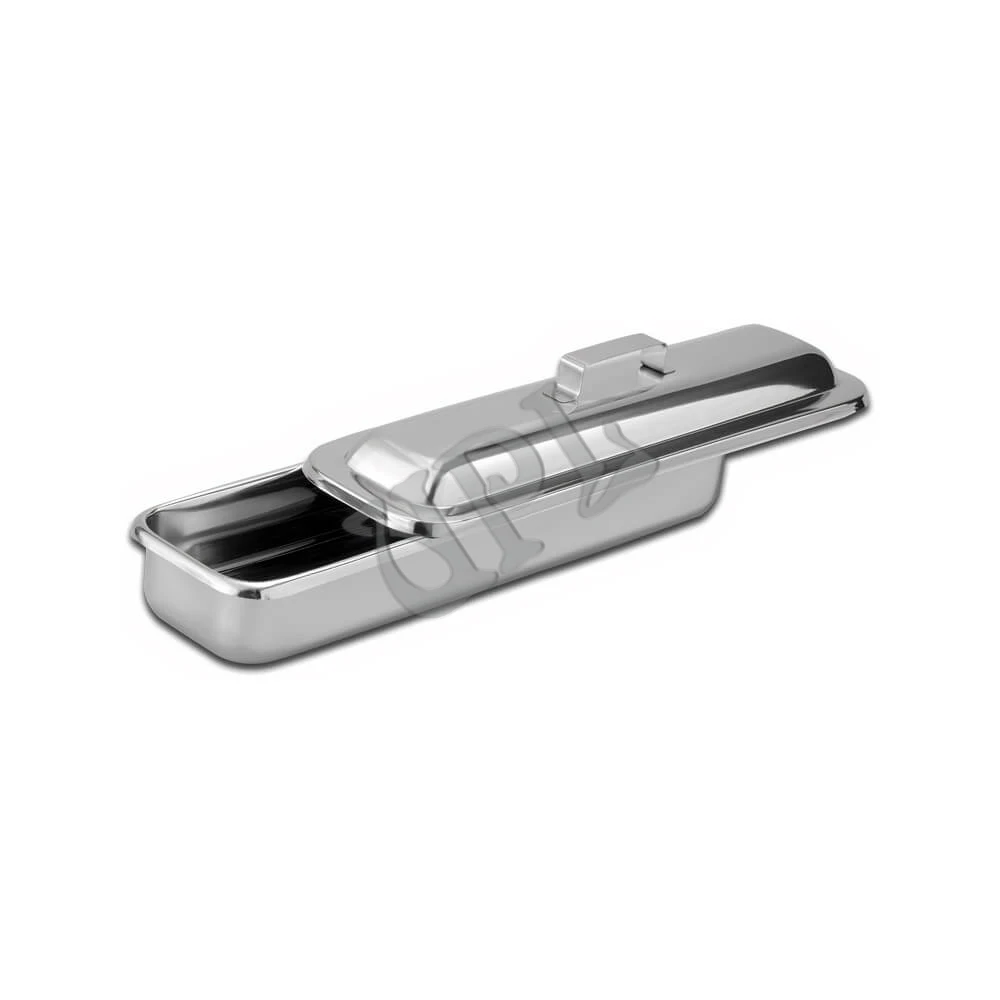

In the world of healthcare, surgical procedures are often the last line of defense against illnesses and injuries. Within this critical realm, the preparation of surgical trays plays an essential role in ensuring the success of an operation. These trays, meticulously stocked with sterile instruments and supplies, are a lifeline for surgeons and the entire surgical team. In this guide, we will delve into the meticulous process of preparing surgical trays for surgery.
Start with a Plan
Every successful surgical procedure begins with a plan, and the same applies to preparing surgical trays. The first step is to review the surgeon's preferences and the specific requirements of the procedure. Understand the surgery's complexity, anticipated duration, and any unique instruments or supplies needed.
Gather Necessary Supplies
Before assembling the surgical tray, gather all the necessary supplies and instruments.
Create a Sterile Environment
Maintaining a sterile environment is non-negotiable in surgical tray preparation. Work in a dedicated area with excellent ventilation, temperature control, and proper lighting. Wear appropriate personal protective equipment, including a surgical gown, mask, and cap. Sterilize all surfaces and ensure your hands are impeccably clean.
Assemble the Instruments
Begin by carefully laying out all instruments on a sterile field or tray. Ensure that the instruments are organized logically, with the most frequently used items placed closest to the surgeon's dominant hand. The sterile field should be large enough to accommodate all items without crowding.
Arrange Supplies
Once the instruments are laid out, arrange the necessary supplies. This includes drapes, gauze, dressings, and sterile solutions. Make sure all items are easy to access for the surgical team during the procedure.
Organize the Tray
Now, it's time to assemble the surgical tray itself. Place the sterile field or tray in the center, and arrange the instruments and supplies around it. Keep everything well-organized to minimize confusion during surgery.
Label Everything
Each item on the surgical tray should be properly labeled, indicating its name and expiration date if applicable. Clear labeling ensures that the surgical team can quickly identify and access the necessary items during the procedure.
Double-Check Everything
Before the surgical tray is considered ready, perform a thorough double-check. Confirm that all instruments and supplies are in their correct positions and that nothing is missing. Verify the expiration dates and labels. This step is crucial for patient safety.
Documentation and Recording
Proper documentation is essential. Record the details of the surgical tray preparation, including the date, time, and names of the individuals involved. Any issues, discrepancies, or problems should be documented as well.
Communication with the Surgical Team
Effective communication is key. Before surgery begins, the scrub nurse or technician should review the contents of the tray with the surgical team. This ensures that everyone is on the same page and reduces the risk of misunderstandings.
In conclusion, the preparation of surgical trays is a meticulous and critical process in the world of healthcare. Each step must be executed with precision, from planning to sterilization, organization, and communication. Properly prepared surgical trays are a cornerstone of successful surgical procedures, promoting patient safety and enabling the surgical team to perform their best. Adherence to best practices in surgical tray preparation is not just a matter of routine; it's a matter of patient care, safety, and positive surgical outcomes.
























Sign in to leave a comment.