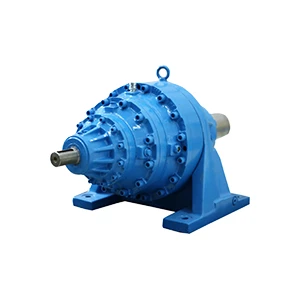

Planetary gearboxes are essential components in various industrial applications, prized for their compact size, high torque transmission, and efficiency. To ensure optimal performance and a long service life, proper lubrication is non-negotiable. Lubrication reduces friction, dissipates heat, and prevents premature wear of gears, bearings, and seals.
This blog outlines how to properly lubricate a planetary gearbox, covering the essential features, technical specifications, and best practices you need to follow for smooth operation and maintenance.
Understanding the Basics of Planetary Gearbox Lubrication
Before jumping into the specifics of lubrication, it's important to understand why lubrication plays such a crucial role in planetary gearboxes.
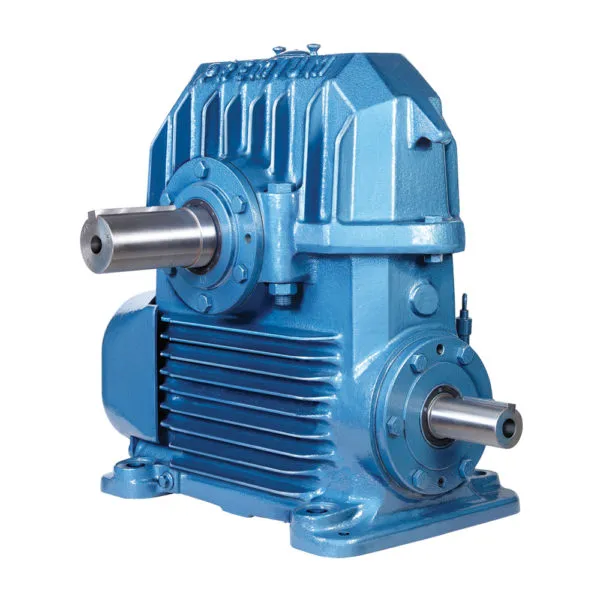
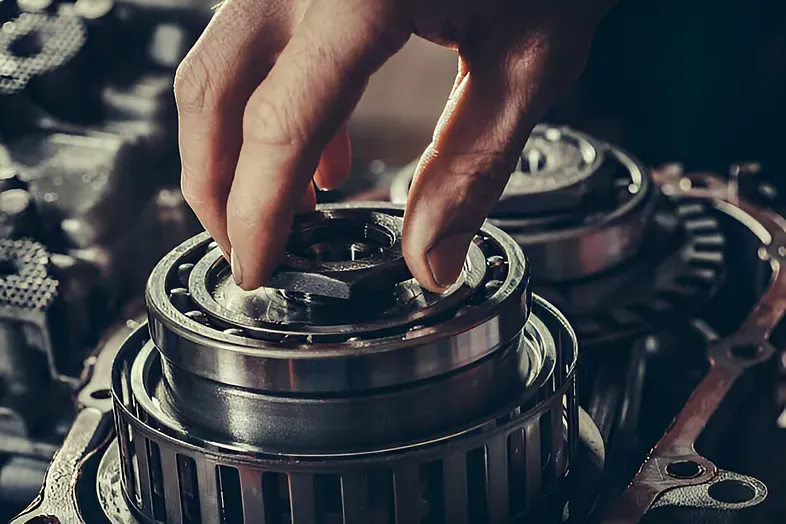
A planetary gearbox consists of a central sun gear, multiple planet gears, and an outer ring gear. These components are tightly meshed and operate at high speeds, often under varying loads. This creates substantial heat and friction, making high-quality lubrication vital for:
- Reducing metal-to-metal contact
- Minimizing wear and tear
- Preventing overheating
- Improving energy efficiency
- Extending gearbox lifespan
Types of Lubricants Used in Planetary Gearboxes
There is no one-size-fits-all lubricant for planetary gearboxes. The correct lubricant depends on the application, environmental conditions, and gearbox design. Common lubricant types include:
1. Mineral Oil-Based Lubricants
These are traditional, cost-effective lubricants ideal for low- to medium-load applications. However, they may degrade quickly at high temperatures.
2. Synthetic Lubricants
Synthetic oils, such as polyalphaolefin (PAO) or ester-based lubricants, offer better thermal stability and oxidation resistance, making them ideal for high-speed and heavy-duty applications.
3. Grease Lubrication
Grease is used in applications where re-lubrication is difficult or for sealed planetary gearboxes. However, it can be less effective in dissipating heat compared to oil.
Technical Specifications to Consider
Selecting the right lubricant involves considering multiple technical parameters:
a) Viscosity Grade
The viscosity determines how the lubricant flows at different temperatures. A common standard for viscosity is ISO VG (Viscosity Grade). For planetary gearboxes, ISO VG 150 to 460 is typical, depending on speed, load, and temperature.
b) Additives
Look for lubricants with anti-wear, anti-oxidation, and anti-foam additives. EP (Extreme Pressure) additives are especially important for high-load applications.
c) Temperature Range
Make sure the lubricant can withstand the ambient and operating temperature ranges of your application. Thermal degradation of lubricants can result in sludge buildup and poor lubrication.
d) Compatibility with Materials
The lubricant must be compatible with seals, gaskets, and internal coatings to prevent damage or leakage.
How to Properly Lubricate a Planetary Gearbox
Let’s break down the process into easy-to-follow steps:
1. Review Manufacturer Guidelines
Always begin with the manufacturer’s manual. It will provide recommended lubricant types, viscosity grades, fill quantities, and maintenance intervals specific to your gearbox model.
2. Use the Correct Lubricant Type
Based on application needs—whether it’s heavy-duty industrial machinery, robotics, or wind turbines—select the appropriate oil or grease. Avoid mixing different lubricant types.
3. Check the Fill Level
Underfilling can lead to inadequate lubrication, while overfilling can cause overheating and pressure buildup. Use the sight glass or dipstick (if available) to monitor oil levels.
4. Maintain Cleanliness
Ensure all tools, funnels, and containers are clean before use. Contaminants like dust, dirt, and water can degrade lubricant quality and cause gear pitting or rust.
5. Monitor Operating Conditions
Check for signs of lubricant degradation, such as changes in color, consistency, or the presence of metal particles. Regular oil analysis helps monitor the condition of both the lubricant and the gearbox.
6. Set Up a Maintenance Schedule
Implement a lubrication schedule based on hours of operation or calendar time. High-speed or high-load gearboxes may require more frequent oil changes.
Common Lubrication Mistakes to Avoid
Even a high-quality gearbox can fail prematurely if lubrication practices are flawed. Avoid these common mistakes:
- Using the wrong lubricant for the application
- Mixing synthetic and mineral oils
- Ignoring oil change intervals
- Overfilling or underfilling oil
- Neglecting to check oil for contamination
- Using unclean tools during oil filling or draining
Lubrication in Special Environments
Certain operating environments demand special consideration when selecting lubricants:
- High-Temperature Zones: Use synthetic lubricants with high thermal stability.
- Dusty or Dirty Environments: Sealed gearboxes with grease may be better suited.
- Food & Beverage Industry: Use food-grade lubricants that comply with industry safety standards (NSF H1).
- Corrosive Conditions: Ensure the lubricant has rust and corrosion inhibitors.
Lubrication and Performance: Real-World Impact
Proper lubrication can increase a planetary gearbox's lifespan by up to 2–3 times, reduce noise levels, and significantly enhance energy efficiency. It also reduces downtime due to fewer maintenance issues and breakdowns. For manufacturers and plant operators, this means higher productivity and lower total cost of ownership.
Brand Spotlight: Santram Engineers Pvt Ltd
Santram Engineers Pvt Ltd, a leading name in industrial gearbox manufacturing and services, emphasizes the critical role of lubrication in the performance and longevity of planetary gearboxes. The company’s engineering experts recommend industry-approved lubrication practices and offer maintenance support to ensure optimal gearbox functionality across sectors like cement, mining, and steel.
Final Checklist for Gearbox Lubrication
Here’s a quick recap of what you should ensure:
- ✔ Use manufacturer-recommended lubricants
- ✔ Match viscosity grade to speed and load
- ✔ Monitor oil levels and conditions regularly
- ✔ Replace lubricants at set intervals
- ✔ Maintain a contamination-free environment during filling
- ✔ Keep a record of maintenance schedules
Conclusion
Proper lubrication isn’t just a maintenance task—it’s a performance strategy for your planetary gearbox. By understanding lubricant types, technical specs, and application-specific needs, you can keep your gearbox running smoothly for years. Whether you’re operating in high-load environments or dealing with variable speeds, attention to lubrication pays off in reliability and efficiency.
Need help choosing the right gearbox or setting up a lubrication plan? Reach out to a trusted industry partner or consult with lubrication specialists to get expert recommendations tailored to your operations.

























Sign in to leave a comment.