Used manual grinding machines are workhorses in machine shops across the world. Known for their reliability, precision, and versatility, these machines remain integral to operations even in the age of CNC automation. However, like all mechanical equipment, they require regular and meticulous maintenance to perform at their best—especially when bought used.
In this comprehensive guide, we'll walk you through everything you need to know to properly maintain a used manual grinding machine—from daily care routines to long-term preventive strategies. This knowledge will not only keep your equipment running smoothly but will also extend its operational life and optimize machining results.
1. Understand Your Machine
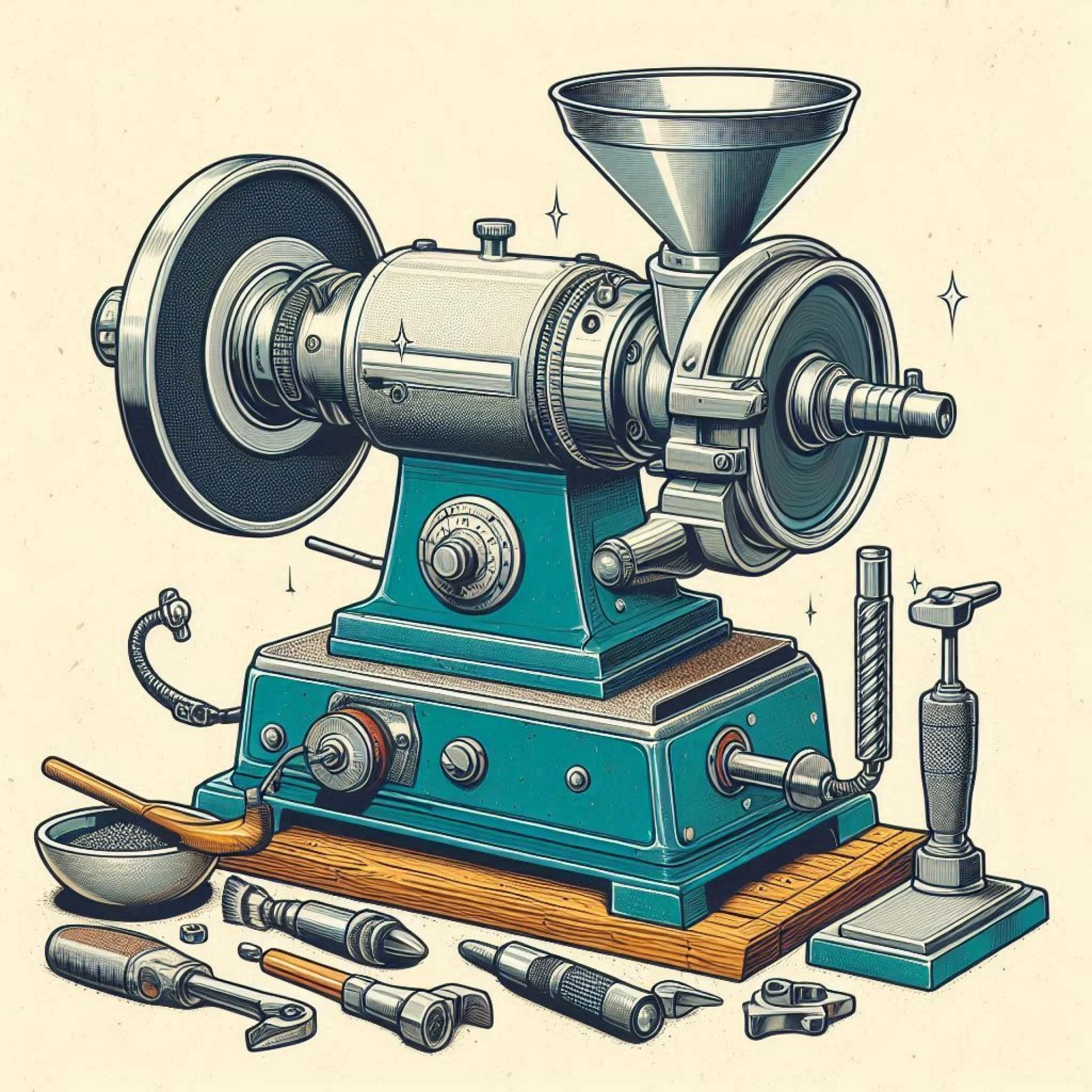
Before diving into maintenance, it's critical to understand the design and function of your grinding machine. A typical manual grinder comprises:
- Base and column
- Table (with longitudinal and cross movement)
- Grinding wheel and spindle assembly
- Coolant system
- Electrical and lubrication components
Familiarize yourself with the manufacturer’s manual, machine layout, and historical maintenance records (if available). This foundation ensures your efforts are well-targeted.
2. Initial Inspection: Baseline Assessment
When acquiring a used grinding machine, perform a detailed inspection to determine its condition:
- Visual Inspection: Check for cracks, rust, and signs of wear on the body, table, and components.
- Spindle Play: Test for radial and axial movement—there should be minimal or no play.
- Way Surfaces: Ensure ways are smooth, straight, and free of scoring.
- Grinding Wheel Balance: An unbalanced wheel may indicate spindle or bearing wear.
- Motor & Electrical: Run the motor and observe for unusual noises, vibrations, or overheating.
- Lubrication System: Check for clogs, leaks, or inoperative pumps.
A thorough assessment can help forecast future issues and prioritize maintenance steps.
3. Daily Maintenance Routine
Daily care is crucial for reliable operation. Here are essential daily tasks:
- Clean the machine thoroughly: Use a brush and vacuum—not compressed air—to remove metal dust.
- Inspect the grinding wheel: Look for cracks, chipping, or glazing.
- Wipe down the table and guides: Apply light oil to prevent rust.
- Check coolant levels: Top off or replace as necessary, and inspect for contamination.
- Verify safety guards and emergency stops: Ensure all protective equipment is in place and functional.
- Lubricate moving parts: Apply appropriate lubrication per the machine's service chart.
4. Weekly & Monthly Maintenance
In addition to daily checks, schedule weekly and monthly inspections:
Weekly Tasks:
- Inspect belts and pulleys for wear.
- Check the spindle bearings for noise or play.
- Test the table movement for smoothness and accuracy.
- Flush and replace coolant if necessary.
Monthly Tasks:
- Inspect electrical wiring for wear or damage.
- Check oil levels in gearbox or hydraulic reservoirs.
- Measure and adjust backlash in the table drives.
- Clean or replace filters in the coolant and lubrication systems.
5. Grinding Wheel Management
The grinding wheel is the heart of the machine. Poor wheel condition leads to poor results and dangerous conditions.
Wheel Dressing:
Use a diamond dresser to clean and true the wheel surface. This ensures flat, sharp, and concentric grinding.
Wheel Balancing:
Unbalanced wheels can damage the spindle and affect part accuracy. Use balancing flanges and test after every change.
Proper Storage:
Store unused wheels in a dry place, away from moisture and chemical exposure.
6. Alignments & Calibration
Accurate machining depends on precise alignments:
- Table flatness: Use a dial indicator and surface plate to check.
- Spindle runout: Check with a micrometer or test indicator.
- Cross-feed calibration: Ensure incremental feed matches actual movement.
Recalibrate every 6–12 months or if your part tolerances begin to vary.
7. Lubrication System Care
Proper lubrication reduces friction, wear, and thermal deformation:
- Use only manufacturer-recommended lubricants.
- Clean and inspect lubrication lines regularly.
- Replace clogged filters and clean oil sumps.
- Test lubrication flow to all critical areas.
8. Coolant System Maintenance
Grinding generates heat. An efficient coolant system ensures thermal stability and flushes chips from the work area.
- Regularly check for leaks in hoses or nozzles.
- Clean the coolant tank and replace coolant monthly.
- Use high-quality coolant that resists bacterial growth.
9. Safety Inspection & Best Practices
Operator safety is paramount:
- Train all users on safe grinding techniques.
- Use protective equipment like goggles, gloves, and ear protection.
- Keep flammable materials away from grinding stations.
- Install spark guards and fire suppression systems where necessary.
10. Troubleshooting Common Issues
Vibration or Chatter:
- Cause: Worn bearings, unbalanced wheel, or loose components.
- Solution: Balance wheel, tighten components, replace bearings.
Poor Surface Finish:
- Cause: Dull wheel, incorrect feed/speed, or table misalignment.
- Solution: Dress wheel, adjust parameters, re-align components.
Overheating:
- Cause: Clogged coolant line, overworking the machine.
- Solution: Flush system, reduce depth of cut, increase coolant flow.
11. Long-Term Storage & Machine Preservation
If the grinder won’t be used for extended periods:
- Drain coolant and clean all tanks.
- Coat exposed metal surfaces with rust-preventive oil.
- Cover the machine with a breathable tarp.
- Store in a dry, temperature-controlled environment.
12. Keeping Maintenance Logs
Documentation helps with preventive maintenance and resale value:
- Record all inspections, repairs, and replacements.
- Keep a log of tool usage, wheel dressing, and lubrication.
- Schedule regular maintenance with automated reminders.
Conclusion
A well-maintained manual grinding machine can last decades, offering precise results with minimal issues. By implementing structured maintenance routines, staying vigilant for wear signs, and addressing issues proactively, you ensure safe and efficient operation.
Thinking about expanding your grinding capabilities or replacing your current machine? MachineStation offers a wide selection of pre-owned, inspected manual grinders ready for immediate use. Get in touch with us to find the perfect fit for your shop!

























Sign in to leave a comment.