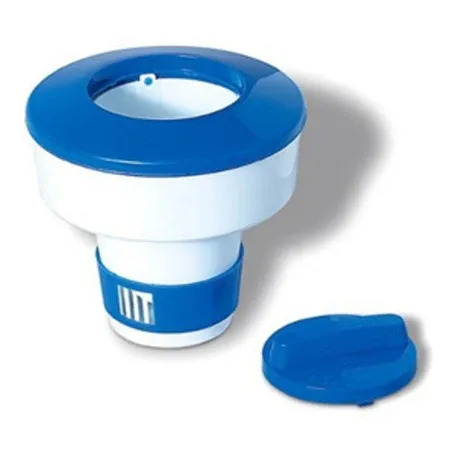

Creating a peaceful backyard aquatic sanctuary involves carefully nurturing every component of your water management ecosystem throughout the changing seasons. As the warmth of summer transitions into the crisp, cooler days of autumn, preparing your hardware for the inactive months becomes essential for protecting your investments. Among the various pieces of equipment on your equipment pad, the automatic chlorinator or brominator demands meticulous attention before freezing temperatures arrive. Failing to properly drain and winterize this specific unit can lead to cracked plastic bodies, damaged control valves, and costly spring replacements. Knowing how to execute a thorough winterization process ensures your system remains safe and functional for many seasons of future relaxation.
Understanding the Risks of Freezing and Residual Sanitizer
Automatic chemical feeders are designed to withstand high operational pressures and continuous chemical contact during the active swim season, but they are uniquely vulnerable to freezing conditions. When water trapped inside the canister freezes, it expands with immense force, fracturing thick plastic housings, warping threaded lids, and shattering internal check valves. Furthermore, leaving un-dissolved trichlor or bromine tablets sitting inside the wet chamber over the winter creates a highly concentrated, acidic slurry. This corrosive soup eats away at internal components, metal springs, and O-rings, leading to structural degradation long before spring arrives.
- Ice Expansion Pressure: Trapped water expanding within the closed canister during hard freezes, causing catastrophic hairline cracks or major splits in the plastic housing.
- Corrosive Chemical Slurry: Undissolved pucks sitting in stagnant water, releasing high concentrations of acid that corrode internal parts and degrade seals.
- Valve and Tubing Damage: Water freezing inside feeder feed lines or off-line tubing, blocking flow paths and splitting flexible connections.
- Spring and Thread Fatigue: Constant exposure to trapped chemical residues weakening internal tension springs and thread structural integrity.
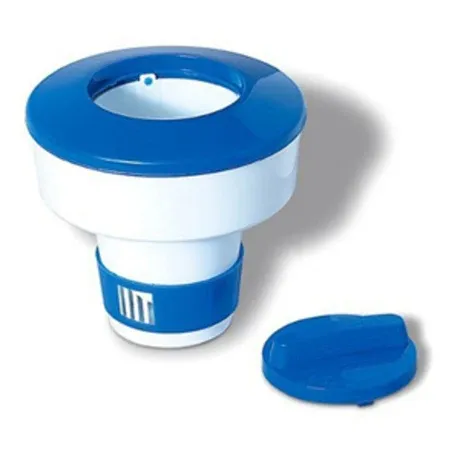
Preventing these winter hazards begins with removing all active chemical agents and ensuring the entire unit is completely emptied of moisture. Property owners reviewing their equipment protection strategies often explore specialized components and replacement options like a reliable pool chemical dispenser to understand standard maintenance intervals and structural hardware specifications before freezing weather sets in.
Step-by-Step Drainage and Residual Chemical Removal
Executing a successful winterization requires methodical steps to ensure no water or active sanitizer remains trapped inside the device. Before touching the feeder, the primary pool pump must be turned off and the electrical breaker locked out for safety. Once the system is depressurized, you can begin the physical removal of any remaining tablets and flush the internal chamber thoroughly with clean water to neutralize lingering acid residues.
- System Depressurization: Shutting down the filtration pump and opening air relief valves to release any internal pressure safely before opening the lid.
- Tablet Extraction: Wearing protective gloves to safely remove and store any remaining undissolved chlorine or bromine pucks in a secure, dry container.
- Chamber Flushing: Rinsing the internal canister thoroughly with a garden hose to wash away fine chemical dust and scale buildup from the walls.
- Drain Plug Removal: Opening the dedicated drain plug located at the bottom of the canister to allow every last drop of water to escape completely.
During this hands-on maintenance process, dealing with stubborn or tightly sealed lids can sometimes present a challenge due to accumulated chemical residue locking the threads. Property owners often rely on durable multi-purpose hardware tools, such as a specialized pool filter wrench, to safely gain leverage and unscrew stubborn caps or stubborn threaded collars without cracking the surrounding plastic housing.
Off-Season Storage, Venting, and Environmental Protection
Once the chemical feeder has been completely drained, rinsed, and cleared of all moisture, final off-season steps must be taken to ensure it survives the winter intact. If your unit is an inline model permanently plumbed into your PVC return line, it should be left completely dry with its lid unlatched or left slightly ajar. Leaving the lid open allows any residual condensation to evaporate rather than getting trapped inside a sealed, dark cavity where mold and lingering chemical vapors can cause slow degradation.
- Lid Venting Strategy: Leaving the top threaded lid loose or removed entirely to promote continuous air circulation and prevent moisture condensation buildup inside.
- Inline Protection: Covering exposed above-ground plumbing and the empty feeder body with a breathable protective cover to shield it from harsh winter snow and ice.
- Offline Disassembly: Detaching off-line feeder tubing completely, draining the flexible lines, and storing them in a dry indoor location if freezing wind is a major factor.
- O-Ring Conditioning: Removing the main lid O-ring, cleaning it thoroughly, applying a silicone-based lubricant, and storing it flat indoors to preserve its elasticity.
Maintaining these thoughtful storage habits prevents unexpected equipment failures when you open your backyard oasis back up in the spring. Dedicated homeowners frequently reference technical guides and maintenance resources provided by Ever-Klear Pool Supply to find professional tips, replacement O-rings, and seasonal care instructions designed to keep every part of their filtration system in top condition.
Conclusion
Properly winterizing and draining your automatic chemical feeder is a vital step in responsible pool ownership that protects your hardware investment and ensures a smooth spring startup. By understanding the destructive potential of trapped ice and corrosive chemical residue, systematically flushing the canister, and leaving the unit properly vented throughout the off-season, you prevent costly cracks and mechanical failures. Taking the time to care for your equipment pad before winter arrives guarantees that your backyard aquatic retreat will remain a clean, functional, and stress-free sanctuary for years of future relaxation.






























Sign in to leave a comment.