
Healthy blood circulation is important for delivering oxygen and nutrients throughout the body. The legs depend on adequate blood flow to support muscles, skin, nerves, and other tissues. When circulation becomes reduced, symptoms may develop gradually and can sometimes be mistaken for normal effects of aging, inactivity, or tiredness.
Poor circulation in the legs can have different causes. One common cause is peripheral artery disease (PAD), which occurs when narrowed arteries reduce blood flow to the limbs. Vein-related conditions can also affect circulation and contribute to swelling, skin changes, discomfort, or wounds.
Recognizing possible warning signs early can help people seek appropriate medical evaluation before complications develop.
Leg Pain During Walking
One of the classic symptoms associated with reduced arterial circulation is pain or discomfort that develops during physical activity, particularly walking, and improves after resting.
This symptom is known as intermittent claudication. It happens because working muscles require more oxygen during exercise, but narrowed arteries may not deliver enough blood to meet that increased demand.
The discomfort may occur in the calf, thigh, hip, or buttock depending on where circulation is affected. Not everyone with PAD experiences this symptom, so its absence does not necessarily mean circulation is normal.
Cold Feet or Lower Legs
People with reduced blood flow may notice that one foot or leg feels colder than the other. Reduced arterial blood flow can contribute to lower skin temperature.
Occasionally, cold feet can simply result from environmental temperature or other harmless factors. However, persistent or noticeably one-sided coldness, particularly when combined with pain, numbness, or skin-color changes, deserves medical attention.
Changes in Skin Color
Changes in the appearance of the skin can sometimes indicate circulation problems.
Poor arterial blood flow may cause the skin to appear pale or bluish, while certain positions may make the color change more noticeable. In some vascular conditions, the leg may become reddish when it is hanging down and pale when elevated.
Skin-color changes are not specific to one condition, so they should be evaluated alongside other symptoms and medical history.
Numbness or Tingling
Reduced circulation can sometimes be associated with numbness, weakness, or a tingling sensation in the legs or feet.
However, these symptoms can have many causes, including nerve problems, diabetes, spinal conditions, and other neurological issues. Therefore, persistent numbness should not automatically be assumed to be a circulation problem.
When numbness occurs together with coldness, pain while walking, skin changes, or wounds that are slow to heal, circulation may need to be assessed.
Leg Weakness or Fatigue
Some people with circulation problems experience unusual fatigue or weakness in the legs, particularly while walking or exercising.
When blood flow cannot adequately meet the muscles' increased oxygen needs during activity, discomfort and fatigue may occur. These symptoms may initially be subtle and become noticeable only during longer walks or more demanding activities.
Keeping track of when the symptoms appear can provide useful information for a healthcare professional.
Swelling in the Legs or Ankles
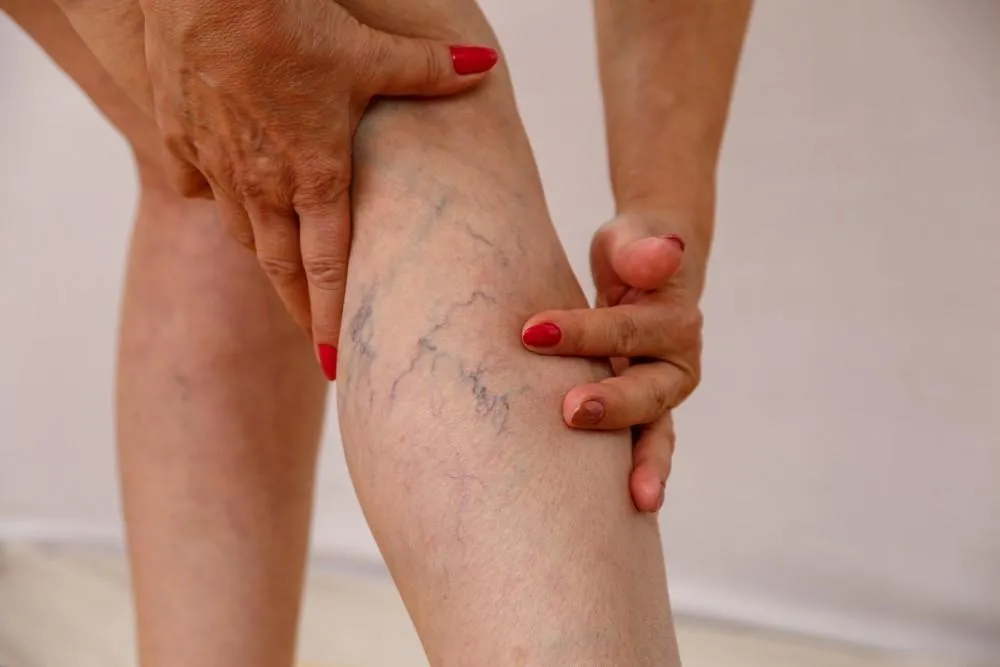
Swelling is another common leg symptom, but it is more often associated with problems involving the veins, fluid retention, certain medications, heart or kidney conditions, or prolonged sitting and standing.
Venous circulation relies on valves and muscle contractions to help return blood toward the heart. When the veins have difficulty moving blood efficiently, fluid can accumulate in the lower legs and ankles.
Persistent swelling, especially if it affects one leg, should be medically evaluated rather than assumed to be caused by simple fatigue.
Slow-Healing Cuts and Wounds
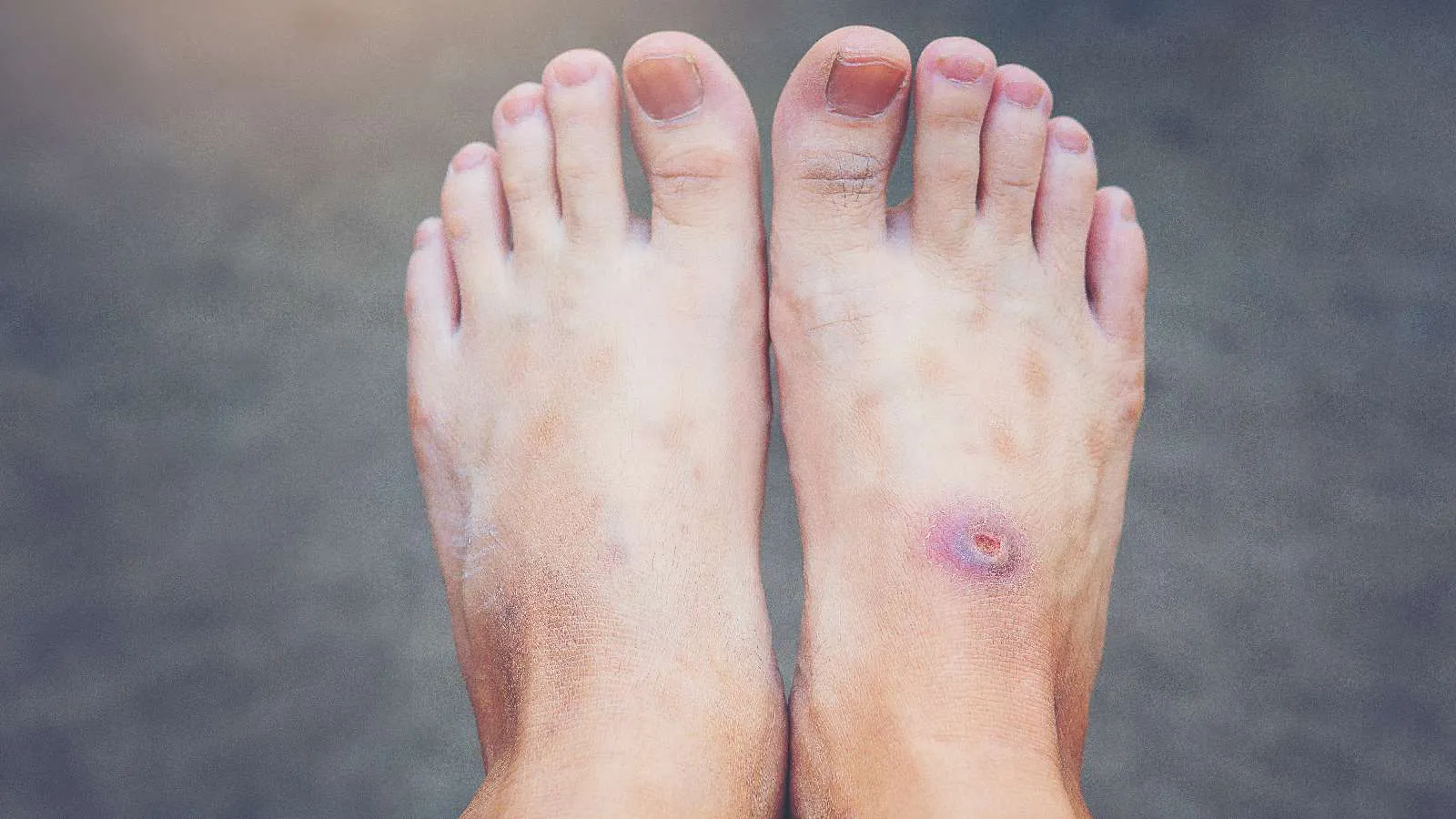
A small cut or wound that takes unusually long to heal can be an important warning sign.
Adequate blood flow helps deliver oxygen and nutrients needed for tissue repair. When arterial circulation is significantly reduced, wounds on the feet or legs may heal slowly or fail to heal properly.
This is particularly important for people with diabetes because diabetes can also affect nerves and circulation, increasing the risk of foot wounds and delayed healing.
A wound that remains open or shows little improvement should be evaluated rather than managed indefinitely at home.
Changes in Hair and Toenails
Long-term circulation problems may cause changes in the skin and tissues of the lower legs and feet. Some people may notice reduced hair growth on the legs or changes in toenail growth.
These signs alone do not confirm poor circulation because hair growth and nail changes can occur for many other reasons. However, when they occur together with pain, coldness, color changes, or slow-healing wounds, they may warrant further assessment.
Pain in the Legs at Rest
Pain that occurs even when the legs are resting can indicate more advanced arterial circulation problems.
Some people may experience discomfort in their feet or toes while lying down, particularly at night. In certain cases, hanging the leg over the side of the bed may temporarily reduce discomfort because gravity helps blood reach the foot.
Persistent pain at rest should not be ignored. Severe or sudden changes in circulation require prompt medical evaluation.
What Causes Poor Circulation in the Legs?
Several conditions and risk factors can contribute to circulation problems. Peripheral artery disease is associated with atherosclerosis, in which fatty deposits build up inside arteries and restrict blood flow.
Risk factors for PAD include smoking, diabetes, high blood pressure, high cholesterol, older age, and a history of cardiovascular disease.
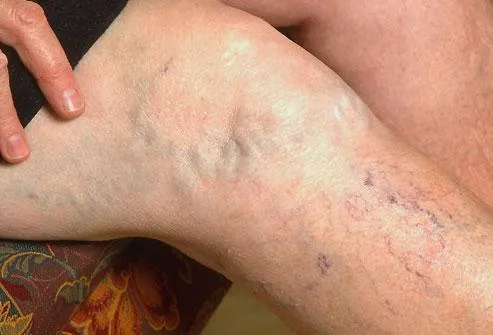
Venous circulation problems have different causes. Conditions such as chronic venous insufficiency can interfere with the return of blood from the legs to the heart and may cause swelling, heaviness, skin changes, and ulcers.
Because arterial and venous conditions can produce different symptoms, identifying the underlying cause is important.
How Is Leg Circulation Evaluated?
A healthcare professional may begin with a medical history and physical examination. They may check pulses in the feet and legs, examine skin color and temperature, and ask about pain during walking or at rest.
If arterial disease is suspected, an ankle-brachial index (ABI) may be performed. This test compares blood pressure in the ankle with blood pressure in the arm and can help identify reduced arterial blood flow.
Other tests, such as Doppler ultrasound or additional vascular imaging, may be recommended depending on the symptoms and initial findings.
If you notice recurring leg symptoms or a wound that is not healing properly, discussing the problem with a Vascular Surgeon in Sugarland can help determine whether a vascular condition may be contributing to the symptoms.
When Should You Seek Medical Attention?
Occasional cold feet or temporary leg fatigue does not necessarily indicate a serious circulation problem. However, persistent or worsening symptoms should be evaluated.
Medical attention is especially important if you experience:
- Repeated leg pain while walking
- Persistent coldness in one foot or leg
- Significant changes in skin color
- Numbness or weakness
- Swelling that does not improve
- A wound that does not heal
- Pain occurring at rest
- New or worsening foot or toe discoloration
Sudden severe leg pain, a suddenly cold or pale limb, loss of sensation, or inability to move the affected limb can represent an urgent vascular problem and requires immediate medical attention.
Supporting Healthy Circulation
Managing cardiovascular risk factors can support overall vascular health. Regular physical activity, not smoking, maintaining healthy blood pressure and cholesterol levels, managing diabetes when present, and following a balanced diet are important parts of cardiovascular care.
People with diagnosed vascular conditions should follow their healthcare professional's recommendations regarding exercise and other lifestyle changes. Exercise plans may need to be modified depending on the severity and cause of circulation problems.
Final Thoughts
Poor circulation in the legs can present through several different symptoms, including walking-related pain, cold feet, skin-color changes, numbness, swelling, weakness, and slow-healing wounds. These signs do not always mean that a vascular condition is present, but persistent or unusual symptoms deserve proper evaluation.
Understanding these warning signs can help people recognize when a seemingly minor leg problem may require further investigation. Early assessment can help identify whether the issue involves arteries, veins, nerves, or another underlying condition and guide appropriate care.
For people experiencing persistent wounds or other circulation-related concerns, a Wound Care Center in Sugarland may be relevant when specialized wound assessment is needed.



















Sign in to leave a comment.