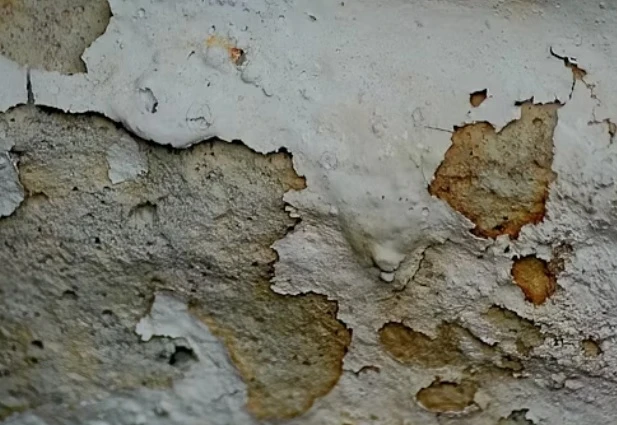

Mould is more than just an unsightly problem in homes; it can significantly impact your health and comfort. Understanding how to reduce mould in house is essential to prevent respiratory problems, allergies, and other health risks. Ventis, a leader in home ventilation and air quality solutions, provides smart, effective ways to combat mould growth and protect your family’s wellbeing.
Why Reducing Mould in Your Home Is Crucial
Mould thrives in damp, poorly ventilated areas and can release spores that irritate the lungs, cause allergies, and even lead to infections, especially in children, elderly, and people with compromised immune systems. The sooner you learn how to reduce mould in house, the better you can protect health. Besides health concerns, mould can damage walls, furniture, and fabrics leading to costly repairs or replacements.
Common Causes of Mould Growth
- Excess Moisture: Leaks, high humidity, and condensation create perfect conditions.
- Poor Ventilation: Without fresh airflow, moisture accumulates.
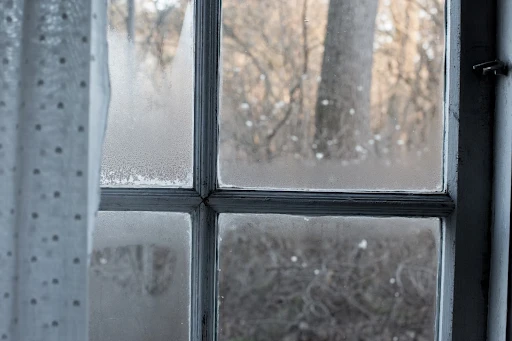
- Temperature Fluctuations: Cold surfaces near warm, moist air cause condensation.
- Organic Materials: Mould feeds on materials like wood, drywall, and fabric.
Practical Ways to Reduce Mould in House
1. Improve Ventilation
At Ventis, we emphasize proper ventilation to reduce moisture levels. Installing a smart ventilation system like Ventis subfloor or whole house solutions circulates fresh air, maintaining balanced humidity and drying damp areas efficiently.
2. Control Indoor Humidity
Keep indoor humidity below 60% using dehumidifiers or Ventis’ air purification systems. Monitor with hygrometers and use exhaust fans in kitchens and bathrooms.
3. Fix Water Leaks Promptly
Address leaks from pipes, roofs, and walls immediately to prevent moisture buildup.
4. Use Mold Resistant Products
Choose mould resistant drywall, paints, and sealants for vulnerable areas.
5. Keep Surfaces Clean and Dry
Regularly clean bathrooms, kitchens, and basements; promptly dry wet areas after spills or flooding.
6. Maintain Heating and Cooling Systems
Regularly service HVAC systems to ensure optimal function and reduce condensation risks.
Ventilation: The Key to Preventing Mould Growth
Proper ventilation is crucial to preventing mould by reducing moisture and promoting continuous airflow. Regularly opening windows, using exhaust fans in moisture prone areas, and maintaining a balanced indoor temperature help keep humidity levels low and prevent condensation. Moving furniture slightly away from walls allows air circulation, while dehumidifiers offer extra support on damp days. These simple ventilation habits not only reduce mould growth but also improve indoor air quality, ensuring a healthier and more comfortable living environment for you and your family.
Preventing Mould: A Vital Step for Healthier Living
Reducing mould in house is essential for protecting your health and home. Ventis offers advanced ventilation systems that improve airflow and control humidity, creating a dry environment that prevents mould growth. Regular maintenance and quick leak repairs, combined with moisture resistant materials, strengthen your home’s defences. By choosing Ventis’ energy efficient solutions, you ensure healthier indoor air quality and a mould free living space, preserving comfort and value for years to come.











Sign in to leave a comment.