
Introduction
In today’s digital era, integrating an AI chatbot into your organization can dramatically transform customer service, optimize operations, and boost user engagement. With numerous options on the market, finding the ideal AI chat solution can be overwhelming. This guide will walk you through essential considerations and best practices to help you select the best AI chatassistance tool for your business.
What Is an AI Chatbot?
An AI chatbot is a software program that employs artificial intelligence (AI) to mimic human-like conversations with users. These conversational AI systems can be used across websites, social media, and messaging platforms to assist with customer queries, provide information, and complete tasks.
Advantages of AI Chatbots
Before diving into the selection process, it’s important to understand the benefits AI chatbots can offer your organization:
- Around-the-Clock Availability: AI chatbots can function 24/7, delivering immediate responses to customer inquiries without needing human agents.
- Cost Efficiency: Automating customer service tasks with AI chatbots can lower operational expenses by reducing the need for a large support team.
- Improved Customer Experience: Conversational AI provides prompt, accurate, and personalized assistance, leading to higher satisfaction and loyalty.
- Scalability: AI chatbots can handle multiple interactions at once, making them ideal for businesses with high volumes of customer inquiries.
- Data Collection and Insights: AI chatbots can collect valuable data on customer behavior and preferences, offering insights to refine business strategies.
Key Factors for Selecting an AI Chatbot
When choosing an AI chatbot for your organization, keep the following factors in mind to ensure it meets your business needs and goals:
1. Define Your Goals
Start by determining the specific issues you want the AI chatbot to address. Common objectives include:
- Customer Support: Handling frequently asked questions, resolving issues, and providing product details.
- Lead Generation: Capturing and qualifying leads through interactive conversations.
- Sales Assistance: Helping customers navigate the purchasing process and offering personalized product suggestions.
- Internal Support: Assisting employees with HR queries, IT support, and other internal functions.
2. Assess AI Capabilities
The effectiveness of an AI chatbot relies on its underlying technology. Key capabilities to consider include:
- Natural Language Processing (NLP): Enables the chatbot to comprehend and interpret human language accurately.
- Machine Learning: Allows the chatbot to learn from interactions and improve over time.
- Contextual Understanding: Maintains context throughout conversations to provide relevant responses.
- Multilingual Support: Essential for businesses with an international customer base.
3. Integration with Existing Systems
Ensure the AI chatbot can seamlessly integrate with your current systems, such as CRM, ERP, and marketing automation tools. This integration allows the chatbot to access relevant data and deliver more personalized responses.
4. Customization and Growth Potential
Your chosen AI chatbot should be customizable to align with your brand\'s voice and specific needs. Additionally, it should be scalable to accommodate future growth and increased user interactions.
5. User Experience and Design
An intuitive design is vital for ensuring smooth interactions. The chatbot should offer a user-friendly interface, clear conversational flows, and the ability to escalate complex issues to human agents if necessary.
6. Security and Compliance
Given the sensitivity of customer data, prioritize AI chatbots that offer strong security features and comply with relevant regulations, such as GDPR or CCPA.
7. Analytics and Reporting
Select an AI chatbot that provides comprehensive analytics and reporting features. These insights will help you monitor performance, identify areas for improvement, and assess the chatbot’s impact on your business.
8. Vendor Reputation and Support
Thoroughly research potential vendors. Look for companies with a solid reputation, positive customer feedback, and reliable support services. A reputable vendor is more likely to deliver a high-quality AI chatbot and provide ongoing assistance.
Steps for Implementing an AI Chatbot
After selecting the right AI chatbot for your organization, follow these steps for a successful implementation:
1. Plan and Prepare
Clearly define your objectives and develop a detailed project plan. Identify key stakeholders, assign roles, and outline responsibilities.
2. Design and Develop
Collaborate with your vendor to design the chatbot’s conversational flows and user interface. Ensure the chatbot aligns with your brand’s tone and style. Conduct thorough testing during development to address any issues.
3. Train the AI
Training your AI chatbot involves feeding it with relevant data and scenarios to enhance its understanding and responses. Work with your vendor to create a comprehensive training dataset.
4. Launch and Monitor
Deploy the AI chatbot on your chosen platforms and closely monitor its performance. Gather user feedback and make necessary adjustments to improve effectiveness.
5. Ongoing Improvement
AI chatbots require continual maintenance and refinement. Regularly review analytics and user feedback to enhance the chatbot’s capabilities and address emerging challenges.
Case Studies: Successful AI Chatbot Deployments
1. E-Commerce Enhancement with AI Chatbots
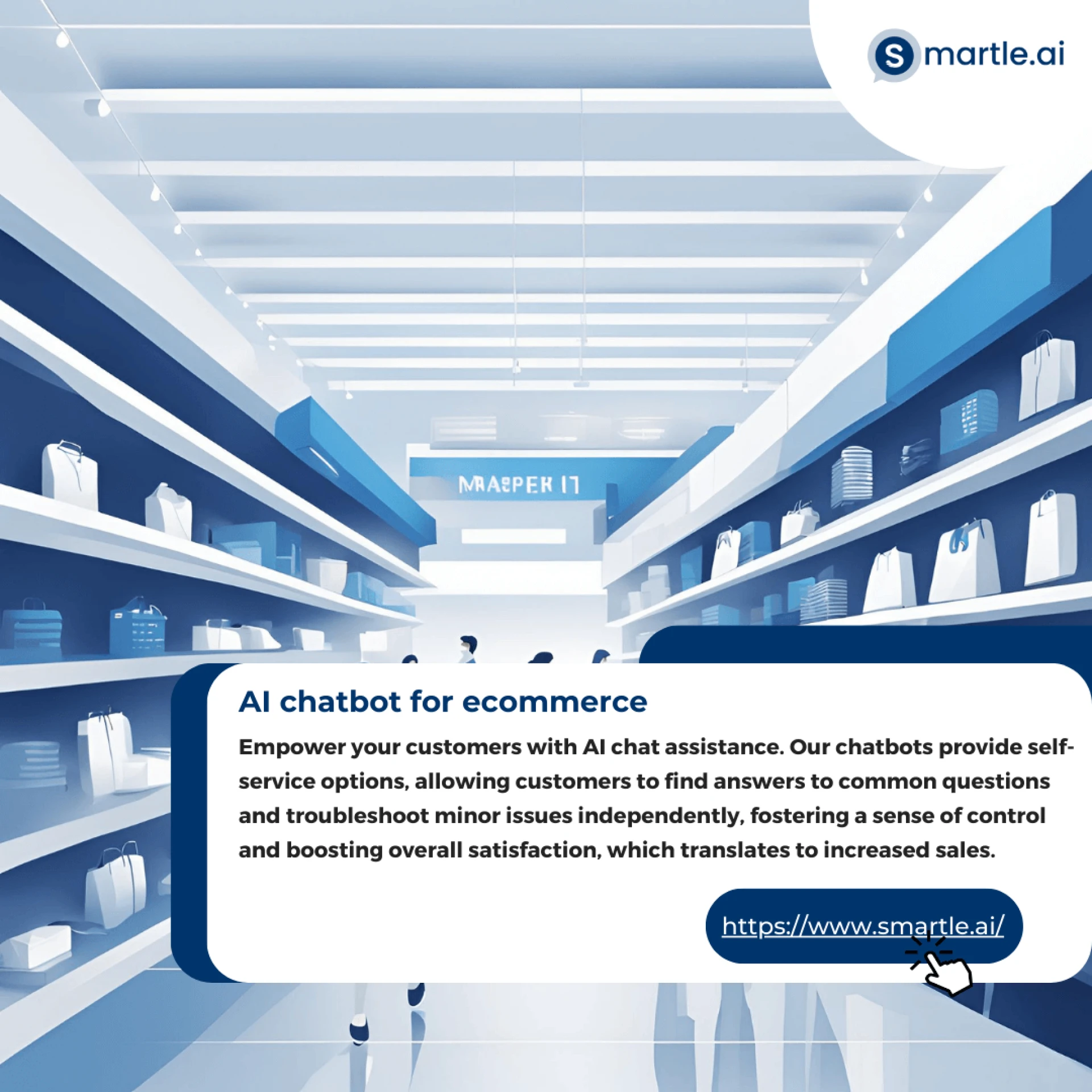
An online retailer implemented an AI chatbot to handle customer inquiries about product availability, order status, and returns. The chatbot’s 24/7 functionality and immediate responses led to a 30% boost in customer satisfaction and a 20% reduction in support costs. Additionally, its personalized product recommendations resulted in a 15% increase in sales.
2. Banking Sector Innovations
A leading bank introduced an AI chatbot to assist customers with account information, transaction details, and financial advice. The chatbot’s advanced NLP capabilities enabled it to understand complex banking queries and deliver accurate responses. This implementation reduced call center volume by 40% and enhanced customer engagement.
3. Streamlined HR Operations
A global corporation deployed an AI chatbot to manage HR-related inquiries from employees, such as leave requests, payroll information, and policy details. The chatbot’s integration with the HR system allowed it to provide personalized responses based on employee data, freeing up HR staff to focus on strategic tasks and improving overall employee satisfaction.
Future Trends in AI Chatbots
As AI technology continues to advance, several trends are shaping the future of AI chatbots:
1. Enhanced Personalization
Future AI chatbots will use more advanced data analysis to deliver highly personalized interactions, improving customer experiences with tailored recommendations and solutions.
2. Voice-Activated Assistants
Voice-activated AI chatbots are gaining popularity, offering a hands-free, convenient way for users to interact with businesses. This trend is particularly relevant in industries like automotive, healthcare, and smart home technology.
3. Emotional Intelligence
Developments in AI are enabling chatbots to recognize and respond to human emotions. Emotionally intelligent chatbots can adapt their responses based on the user’s emotional state, providing more empathetic and effective support.
4. IoT Integration
AI chatbots integrated with the Internet of Things (IoT) will facilitate seamless interactions between users and smart devices, enhancing automation and creating more intuitive user experiences.
5. Advanced Security Features
As cybersecurity threats evolve, future AI chatbots will incorporate enhanced security measures to protect user data and ensure regulatory compliance.
Conclusion
Choosing the right AI chatbot for your organization involves careful consideration of your objectives, the chatbot’s capabilities, integration potential, and user experience. By selecting a solution that meets your business needs and continuously monitoring its performance, you can leverage the power of conversational AI to improve customer satisfaction, optimize operations, and drive growth. Embrace the future of AI chatassistance and transform how your organization interacts with customers.

























Sign in to leave a comment.