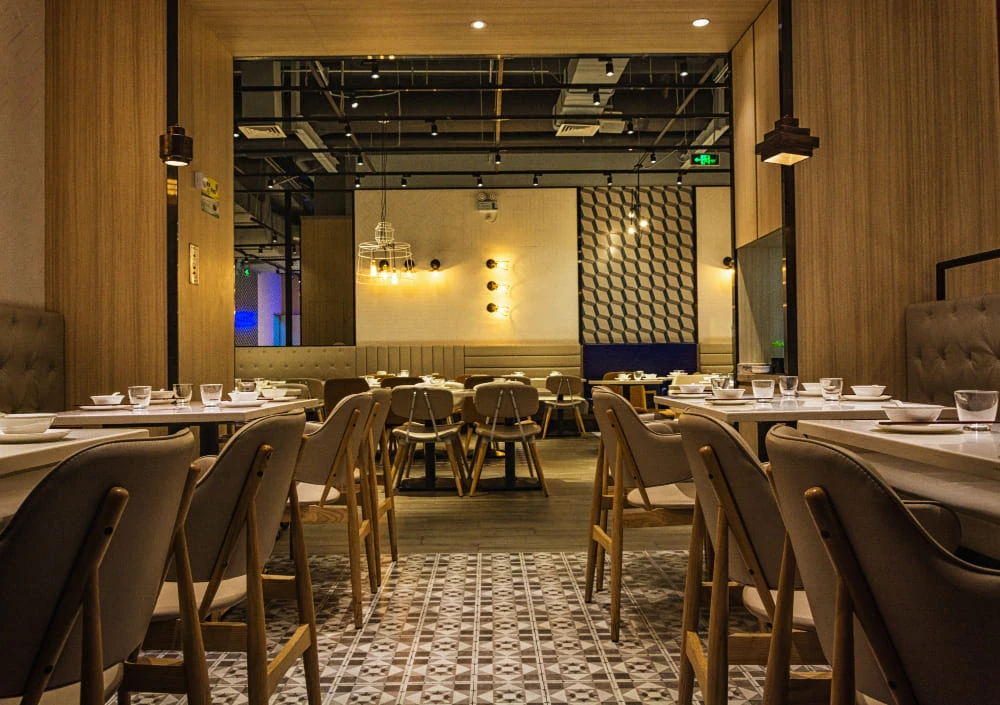

Starting a restaurant is a dream for many aspiring entrepreneurs and food lovers. The idea of creating a place where people gather to enjoy meals, celebrate occasions, and build memories is exciting. However, turning this dream into reality requires careful planning, investment, and execution. From deciding the concept to handling licenses, every step is crucial to ensure long-term success.
In this blog, let’s explore the step-by-step guide on how to start a restaurant, covering everything you need to know before opening your doors.
1. Define Your Concept and Target Audience
The first step in starting a restaurant is deciding on the concept. Do you want to open a fine-dining restaurant, a quick-service café, a casual family diner, or a specialty cuisine outlet? Your choice should match the preferences of your target audience and the location.
For example:
- A college area may suit a budget-friendly café.
- A business hub may attract professionals to a fine-dining or bistro.
- Residential areas may prefer family-style restaurants.
The concept sets the tone for everything—from your menu to pricing and interiors.
2. Create a Solid Business Plan
A restaurant is a business, and like any other business, it requires a proper plan. Your restaurant business plan should include:
- Concept and theme
- Market research
- Competitor analysis
- Estimated investment and funding options
- Menu structure
- Pricing strategy
- Marketing and branding ideas
A detailed plan not only guides you but also helps if you seek loans or investors.
3. Choose the Right Location
Location is often the deciding factor for a restaurant’s success. While choosing a space, consider:
- Accessibility: Is it easy for customers to reach?
- Visibility: Is the restaurant noticeable from main roads?
- Competition: Are there too many similar restaurants nearby?
- Size: Does the space allow for your planned seating and kitchen setup?
A strategic location ensures consistent customer footfall.
4. Legal Requirements and Licenses
Running a restaurant requires legal compliance. The licenses may vary by country or state, but some common ones include:
- Food safety license
- Business registration
- Fire safety certificate
- Health and trade licenses
- Liquor license (if applicable)
Getting proper approvals early helps you avoid fines and operational disruptions.
5. Design Your Menu
Your menu is the heart of your restaurant. It should reflect your theme and meet customer expectations. Some tips:
- Keep it simple yet unique.
- Balance between signature dishes and popular options.
- Consider local tastes and dietary needs (vegetarian, vegan, gluten-free).
- Price your dishes to cover costs and attract customers.
Test recipes before finalizing, and update the menu as trends change.
6. Plan Your Finances and Budget
Starting a restaurant requires a significant investment. Expenses usually include:
- Renting or purchasing property
- Interior design and furniture
- Kitchen equipment
- Licenses and permits
- Staff hiring and training
- Marketing and branding
- Working capital for initial months
Make sure to set aside emergency funds for unexpected costs.
7. Hire and Train Staff
A restaurant’s reputation depends not just on food but also on service. Hire experienced chefs, kitchen assistants, servers, and managers. Invest in training to ensure your team delivers consistent quality and customer satisfaction.
8. Focus on Interior Design and Ambiance
The dining experience goes beyond food. Customers value ambiance—lighting, seating comfort, music, and décor. Align the design with your restaurant’s theme. For instance, a fine-dining restaurant should feel elegant, while a café can be cozy and casual.
9. Marketing and Branding
Before opening, build excitement through marketing. Effective strategies include:
- Social media promotions
- Offering discounts during the launch
- Partnering with food delivery apps
- Word-of-mouth referrals
- Influencer or food blogger collaborations
A strong brand identity and online presence are essential to attract and retain customers.
10. Maintain Hygiene and Quality
Food safety and cleanliness should always be a priority. Customers are quick to leave negative reviews if hygiene is compromised. Regularly inspect kitchen practices, dining areas, and staff behavior to maintain high standards.
11. Track Performance and Improve
Once your restaurant is running, monitor performance through sales reports, customer feedback, and online reviews. Use this data to improve menu offerings, customer service, and overall operations. You can choose the Restaurant Pos system to track performance.ck
Final Thoughts
Starting a restaurant is challenging but incredibly rewarding for those passionate about food and hospitality. With the right planning, location, menu, and customer service, you can build a successful restaurant that stands out in the competitive market.
Remember, consistency and customer satisfaction are the keys to long-term success.































Sign in to leave a comment.