

Starting a smoke shop can be a rewarding opportunity in the growing tobacco retail industry. Depending on your location, store size, and inventory, startup costs typically range from $50,000 to $60,000. As demand for tobacco products, vape devices, disposables, cigars, CBD, and smoking accessories continues to grow, retailers who plan carefully can build a profitable business.
Knowing how to start a smoke shop with profitability requires planning. It requires legal compliance, smart inventory, marketing plans, and the right location along with suitable tech. This guide will walk you through the whole process step by step with tips on major mistakes to avoid.
Step 1: Research the Smoke Shop Market Before You Start
Market research is the foundation of any successful business. Taking the time to understand your local market helps you make smarter decisions before opening your doors.
Understand Your Target Customers
Knowing your customers and their needs helps you with business decisions, right from product selection to store hours. Check if buyers in your area lean towards cigarettes, vapes, cigars, CBD, or anything else. It helps you build initial inventory considering the demand at the time of opening.
Study Your Local Competition
Visit nearby smoke shops, convenience stores, and vape shops before finalizing the product mix. Pay attention to the products they carry, their pricing, customer experience, and any gaps in their selection. Identifying these gaps can help you differentiate your smoke shop and attract customers whose needs aren't being fully met.
Step 2: Create a Smoke Shop Business Plan
Every successful smoke shop starts with a well-developed business plan. Planning guides financial and operational decisions.
Define Your Business Goals
A business plan should be a detailed document covering the store's concept, ownership structure, target market, product details, short-term revenue targets, and long-term goals. It serves as a roadmap for pricing, hiring, inventory, and long-term growth.
Estimate Startup Costs
How much does it cost to start a smoke shop? Startup costs typically range from $50,000 to $60,000, depending on your location, store size, and inventory.
Typical startup expenses include approximately $30,000 for initial inventory, $2,500 for rent and deposits, $500–$1,000 for licensing and legal fees, $500–$2,500 for store improvements, and around $3,500 for marketing and your website. Actual costs will vary depending on your location and store size. The smoke shop investment cost is manageable with accurate planning.
Step 3: Register Your Business and Obtain Required Licenses
Legal compliance is never optional, and operating without the licenses may lead to fines and store closure.
Register Your Business
Choose your business structure before registering with your state. Many smoke shop owners choose an LLC because it offers personal liability protection while remaining relatively simple to manage. After registration, obtain an employer identification number (EIN) from the Internal Revenue Service (IRS) and open a dedicated business bank account.
Get the Required Licenses
The smoke shop license cost varies by state. California charges $100–$300 annually, New York charges $300–$600, Texas charges $180–$300 per location, and Georgia's tobacco dealer/retailer license starts at $10. Most states require a tobacco retail license, a general business license, and a tax registration. Processing typically takes 2–8 weeks, so apply in advance.
Step 4: Choose the Right Location for Your Smoke Shop
Location determines the visitors, which generates revenue. Location finalization is a careful choice.
Look for High Visibility
Choose a location near colleges, busy streets, nightlife districts, or other high-traffic areas to naturally attract more customers. While eye-catching storefront signage helps bring people in, using technology like digital signage can further increase product visibility, capture attention, and help your smoke shop stand out in a competitive market.
Consider Local Regulations
Some cities and counties restrict the locations where smoke shops open, such as proximity to surrounding schools, parks, and residential areas. Verify local zoning and check if your state or city has flavor bans or product restrictions that affect inventory.
Step 5: Stock the Right Products for Your Customers
The right product mix caters to customers’ needs and leads to profit margin determination.
Essential Smoke Shop Inventory
Stock cigarettes as a traffic driver and also build margin on high-return products such as vapes, cigars, accessories, and more. Cigarettes carry margins around 4–6%, while other products’ margins reach up to 40% or higher.
Build Relationships with Reliable Suppliers
Find tobacco and vape wholesalers before opening, negotiate terms, and confirm minimum order quantities. Strong supplier relationships give access to promotion programs such as scan data that allows sustainability in competition.
Step 6: Invest in the Right Smoke Shop POS System
Invest in the right system. A purpose-built tobacco point of sale (POS) gives better operations compared to a generic retail POS.
Why a Specialized POS Matters
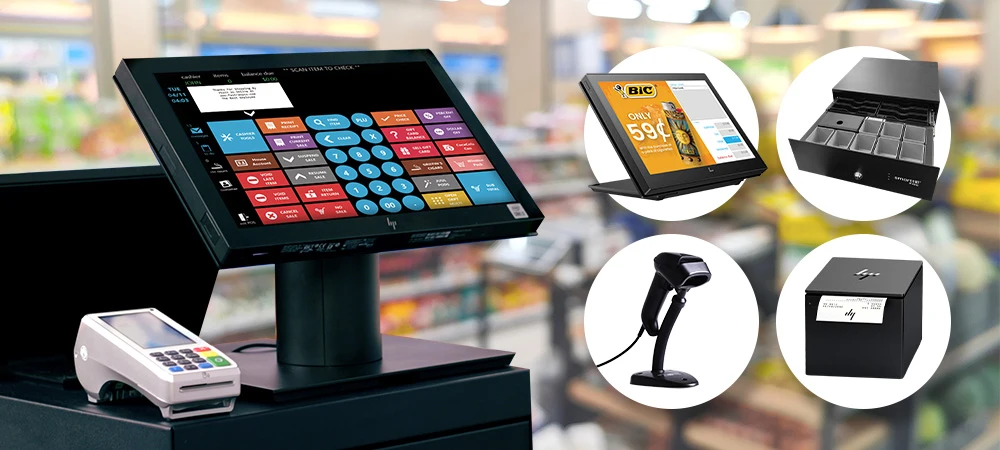
Knowing how to start a smoke shop successfully includes recognizing the importance of purpose-built tobacco POS that includes scan data reporting, integrated age verification, inventory management, loyalty programs, and integrated card processing all in one platform used by the industry's largest smoke shop chains.
Features to Look For
A tobacco-specific POS must include the following features for easier operations:
- Integrated age and ID verification
- Scan data reporting
- Automated price book updates
- Inventory tracking with low-stock alerts
- Integrated card processing to avoid high-risk processor fees
Step 7: Market Your Smoke Shop and Build Customer Loyalty
Marketing has to start before opening, and first-year profit makers invest in both digital marketing and in-store visibility.
Promote Your Business
Promote your smoke shop before and after opening by creating a Google Business Profile with your hours, address, and contact information. Build a presence on social media, announce your grand opening, and use eye-catching roadside signage to attract local customers. Consistent marketing helps keep your business visible, especially in competitive markets.
Encourage Repeat Customers
Loyalty programs turn one-time buyers into regular customers. Customer loyalty program that integrates with scan data, allowing you to offer manufacturer-funded digital coupons to enrolled members. Other loyalty campaigns drive more traffic and higher sales.
Key Mistakes to Avoid When Starting a Smoke Shop Business
Well-funded smoke shops at the best location fail if they make certain mistakes.
Let’s have a quick look:
Ignoring Legal and Licensing Requirements
Legal non-compliance puts businesses at risk that includes fines and store closure on repeated violations. The smoke shop license cost is a fraction of what non-compliance costs. Ensure that you research the state and local requirements before signing a lease and include licensing fees into the smoke shop investment cost from the start.
Choosing the Wrong Location
A smoke shop at the wrong location affects income. Low-traffic areas with high competition, poor visibility, limited parking, or location restricted by local zoning impact revenue generation capabilities. Research foot traffic patterns, competitor proximity, and local regulations in advance.
Poor Inventory Management
Inventory management should be planned. Overstocking low-margin products like cigarettes and ignoring high-margin products reduces profitability. Check real-time inventory data for reordering, promotional, and sales decisions to generate revenue and move the products.
Using a Generic POS System
Include a purpose-built tobacco POS in the smoke shop investment cost since a standard retail POS cannot handle functions like scan data reporting, tobacco-specific age verification, manufacturer rebate integrations, and more. Retailers using generic POS systems miss out on manufacturer-funded income, face compliance gaps at checkout, and lose the inventory visibility to manage a complex tobacco shop catalog.
Final Thoughts…
Learning how to start a smoke shop is the first step, while executing it with the right tools determines long-term profitability. From registering the business and securing the correct licenses to choosing a high-visibility location and stocking the right inventory, every step and decision is essential.
The smoke shop investment cost of $50,000–$60,000 is manageable when it is planned carefully and supported by purpose-built retail POS. Retailers who plan carefully, invest smartly, and promote regularly establish their existence and build significant profitability in no time. It’s your turn to start the smoke shop!


























Sign in to leave a comment.