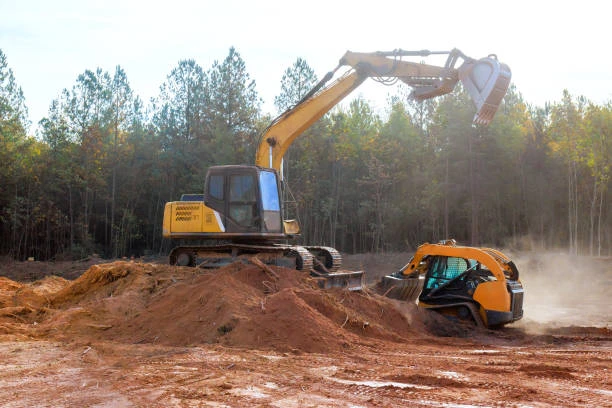

Preparing a commercial site in Tucson isn’t just about moving dirt—it’s about surviving the desert, outsmarting monsoon season, and occasionally negotiating with a rattlesnake that thinks your trench is prime real estate. As a contractor who’s spent more than a few summers sweating through steel-toed boots, I’ll share some practical tips (and a few personal misadventures) to help you get your site ready for success.
1. Know Your Dirt (and Your Caliche)
Tucson soil is a mixed bag: sandy loam in one spot, stubborn caliche in the next. Caliche is basically desert concrete—harder than your mother-in-law’s fruitcake. I once had a backhoe operator swear he was digging into bedrock, only to discover it was just a few feet of caliche laughing at us. The fix? Always budget for rock hammers and extra excavation time. If you don’t, your schedule will crumble faster than that caliche under a jackhammer.
2. Drainage: Plan for Noah’s Ark
Monsoon season in Tucson is no joke. One July, I graded a site perfectly flat (looked like a golf course fairway), only to watch it transform into a lake overnight. Lesson learned: slope is your friend. Design swales, retention basins, and storm drains that can handle a desert downpour. Think of it as building a site that doubles as a water park—except this one won’t get you fined by the city.
3. Utilities: Expect Surprises Underground
Running utilities in Tucson is like playing hide-and-seek with pipes and cables. I once hit an unmarked irrigation line that sprayed water like the Bellagio fountains. The client wasn’t impressed. Always coordinate early with utility companies, and don’t trust old maps blindly. A little extra planning saves you from explaining why your site looks like Vegas on a Saturday night.
4. Dust Control: The City Has Eyes Everywhere
Dust might feel like part of desert life, but Tucson inspectors treat it like a four-letter word. I once got flagged because our site looked like a scene from Mad Max. The cure? Water trucks, soil stabilizers, and sometimes even fencing. Remember: fines aren’t funny, but joking with your crew about starring in a sandstorm movie might keep morale up.
5. Safety: Desert Hazards Are Real
Between the heat, critters, and heavy machinery, Tucson sites can be dangerous. I’ll never forget the day a rattlesnake decided to nap next to our trench. The crew scattered faster than kids at recess. Lesson learned: train for desert-specific hazards, keep first aid kits stocked, and enforce hydration breaks. A gallon of water per worker per day isn’t overkill—it’s survival.
6. Inspectors: Humor Helps, But Preparation Wins
Tucson inspectors are thorough, and they’ve seen every contractor shortcut imaginable. I once tried to lighten the mood by saying our uneven grading gave the site “character.” The inspector didn’t laugh—but he did give us a chance to fix it without a citation. Moral of the story: be respectful, be prepared, and if humor doesn’t win them over, at least don’t annoy them.
Final Thoughts
Successfully prepping a site in Tucson is equal parts engineering, endurance, and improvisation. Between caliche, monsoons, dust, and desert wildlife, you’ll earn every square foot of that finished pad. But with the right planning, equipment, and a sense of humor, you can turn challenges into stories—and stories into lessons for the next job.
So next time you’re sweating through a trench or explaining to a client why their site looks like a temporary pond, remember: Tucson doesn’t make it easy, but it sure makes it memorable. And if all else fails, just blame the caliche—it’s practically tradition.

























Sign in to leave a comment.