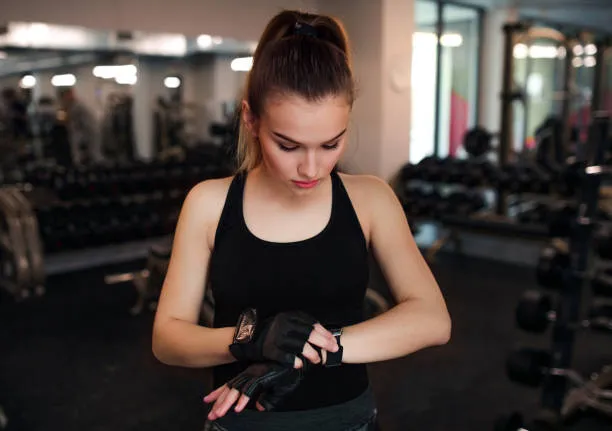

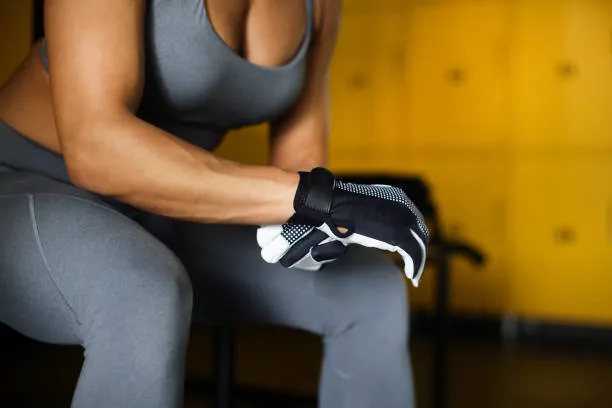
Powerlifting isn’t just about brute strength—it’s about preparation, discipline, and the gear that supports you through every rep. The right apparel can mean the difference between a confident lift and a frustrating session. Over the years, I’ve tested gear that held up through brutal training cycles and gear that failed mid-squat. Here’s how to choose the best gym apparel for powerlifters, with lessons learned from the platform and the training floor.
1. Prioritize Function Over Fashion
It’s tempting to grab the flashiest shorts or shirts you see online, but powerlifting apparel should serve a purpose. Compression shirts, singlets, and durable shorts are designed to withstand heavy loads and repetitive movements. I’ve seen lifters distracted by flashy gear that didn’t hold up—don’t let style compromise your performance.
Tip: Always test mobility. If your shorts restrict depth or your shirt chafes during bench press, it’s not the right fit.
2. Invest in Competition-Approved Gear
If you plan to compete, your apparel must meet federation standards. Singlets, belts, and knee sleeves often need to be IPF-approved. I remember a lifter at one of my meets who had to scramble for a last-minute singlet because his wasn’t approved—avoid that stress by checking the rules early.
Tip: Brands like SBD, Titan, and Inzer are safe bets for competition gear.
3. Balance Durability with Comfort
Powerlifting apparel takes a beating. Belts, sleeves, and wraps endure constant pressure, while shirts and shorts soak up sweat and friction. Premium gear often lasts longer, but comfort matters too. My Inzer belt has lasted over a decade, but I also keep lightweight joggers for accessory work when I don’t need heavy-duty gear.
Tip: Mix premium staples with affordable basics. Save your budget for items that directly impact performance.
4. Match Apparel to the Lift
Different lifts demand different apparel. Flat-soled shoes are ideal for deadlifts, while squat shoes with a raised heel improve depth and stability. Wrist wraps shine during bench press, while knee sleeves are essential for squats. I learned quickly that using squat shoes for deadlifts felt like fighting physics—gear should complement the movement, not hinder it.
Tip: Build your apparel arsenal gradually. Start with shoes, belt, and sleeves, then add wraps and compression gear.
5. Consider Your Training Environment
Hot gyms, cold basements, or outdoor sessions all affect apparel choice. Moisture-wicking fabrics keep you cool, while compression gear helps in colder environments. I’ve trained in humid gyms where cotton shirts felt like weighted vests—technical fabrics made all the difference.
Tip: Have seasonal options. Lightweight gear for summer, thicker compression wear for winter.
6. Don’t Overlook Psychological Impact
There’s a mental edge to putting on gear that feels “serious.” My competition singlet always flips a switch in my head—it’s time to perform. Apparel that makes you feel confident can boost focus and intensity.
Tip: Choose gear that makes you feel ready for battle. Confidence under the bar is half the fight.
7. Test Before You Commit
Not every lifter needs premium gear right away. Start with affordable versions, then upgrade once you know what works for your body and training style. I’ve had budget shorts last surprisingly long, but I’ve also had cheap knee sleeves roll down mid-squat. Trial and error is part of the journey.
Tip: Borrow or try gear from training partners before investing. Real-world testing beats marketing claims.
Final Thoughts
Choosing the best gym apparel for powerlifters isn’t about chasing trends—it’s about finding gear that supports your lifts, lasts through punishment, and keeps you confident under pressure. Start with essentials like shoes, belt, and sleeves, then expand into singlets, wraps, and compression gear as your training evolves.
Remember: apparel won’t lift the weight for you, but the right gear ensures you can focus on what matters—moving iron and chasing PRs.
Would you like me to also create a step-by-step checklist (like a quick buying guide) so lifters can easily prioritize which apparel to get first depending on whether they’re beginners, intermediates, or competitors?


















Sign in to leave a comment.