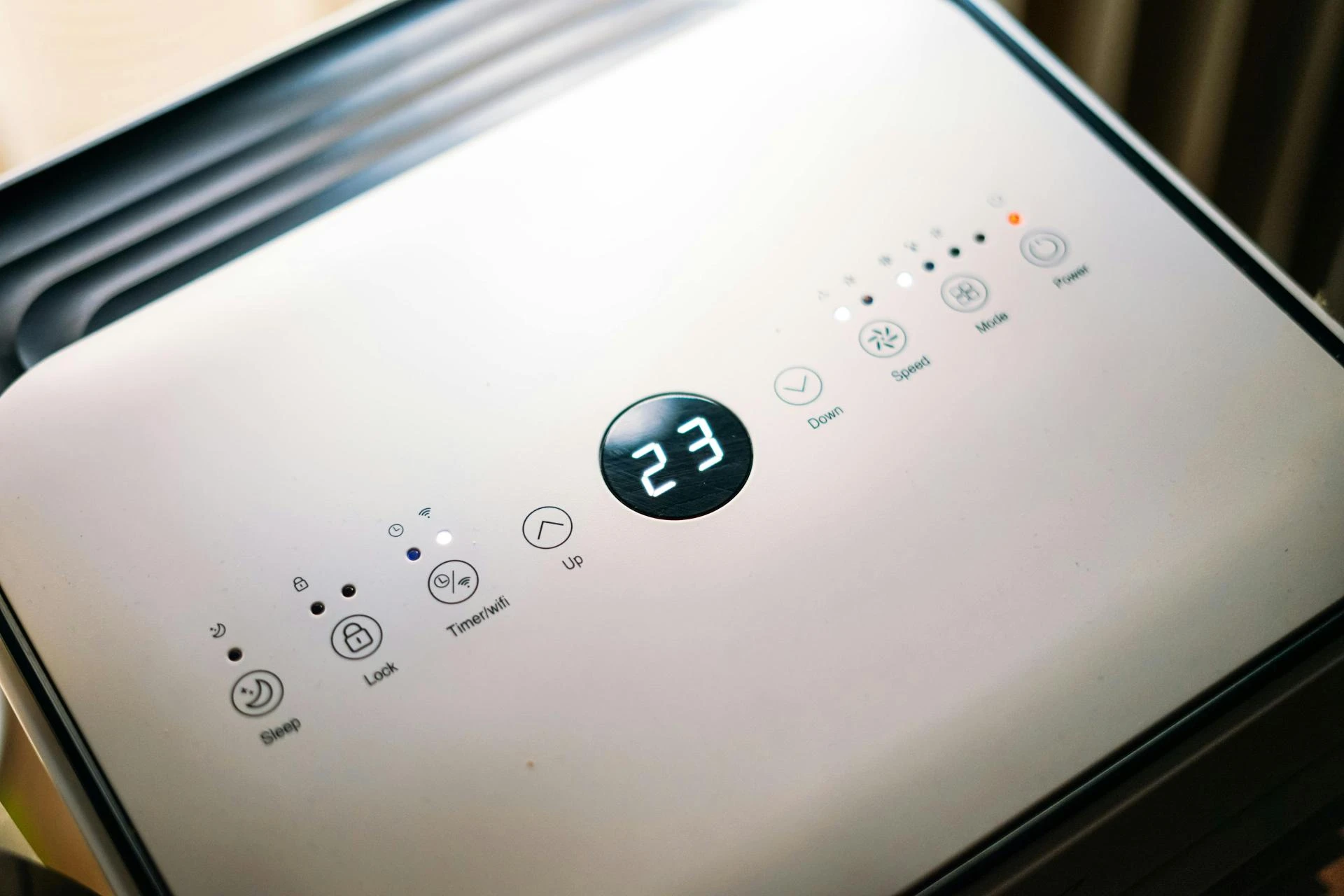

Your air conditioning system ranks among the most valuable investments you'll make in your home. During sweltering summer months, it delivers the comfort and relief that keeps your household running smoothly. But here's the reality: AC units won't run forever, no matter how well you maintain them. The real question isn't whether your system will eventually need replacing; it's knowing when that time has arrived.
Age of Your Air Conditioning System
Air conditioning systems, age tells a story that's hard to ignore. Most units are built to deliver reliable performance for 10 to 15 years, assuming they've received regular maintenance and reasonable care throughout their lifespan. Once your system crosses into or beyond this age range, you'll often find that replacement makes more financial sense than continuing to pour money into repairs. Today's air conditioning technology has come remarkably far, even compared to units manufactured just ten years ago.
Frequent and Costly Repairs
Your air conditioner shouldn't feel like a needy appliance that constantly demands professional attention. When technician visits become routine, that's your system waving a red flag that its days are numbered. There's a practical guideline that makes this decision clearer: the 50 percent rule. If a single repair is going to cost more than half of what your current system is worth, replacement typically wins as the smarter financial move. Beyond the immediate cost of each repair, frequent breakdowns reveal something more troubling; multiple components failing suggests your system is deteriorating across the board rather than experiencing isolated hiccups. Start keeping a detailed maintenance log if you haven't already, tracking every repair over the past two or three years. You'll often notice patterns emerging, with repair costs climbing steadily before the system finally gives out completely. Major components like compressors, condensers, and evaporator coils carry hefty price tags, and when these critical parts fail in a unit that's already showing its age, the numbers almost always favor getting a new system. If disaster strikes during a scorching heat wave and you need immediate help, companies provide emergency HVAC professionals in Lexington, KY can evaluate whether quick repair makes sense or if it's finally time for a full replacement. Keep in mind that emergency repairs during peak summer demand typically cost more, and limping along with an unreliable system leaves you vulnerable to uncomfortable, and potentially dangerous heat exposure when you can least afford it.
Rising Energy Bills and Declining Efficiency
Have you noticed your cooling costs creeping upward, either suddenly or gradually over several months? That's often your air conditioner signaling that it's losing efficiency and straining to maintain the temperatures you want. As systems age, efficiency naturally declines because motors, compressors, and other vital components accumulate wear and must work harder to produce the same cooling output they once delivered effortlessly. Pull out your energy bills from previous years and compare them to your current statements, focusing on periods with similar weather patterns. This comparison will reveal concerning trends that suggest your system's performance is slipping.
Inconsistent Temperatures and Poor Air Quality
Nothing undermines home comfort quite like walking from one room that feels like an icebox into another that resembles a sauna, despite your thermostat being set to a consistent temperature throughout. When your AC system creates these frustrating temperature variations, it's struggling to distribute conditioned air effectively across your living space. This inconsistency typically stems from failing ductwork, weak airflow issues, or a system that's no longer properly matched to your home's cooling requirements. Beyond just temperature problems, declining air quality presents another troubling symptom.
Unusual Noises and Physical Deterioration
Your air conditioning system should run relatively quietly, so when strange sounds start emanating from the unit, consider them audible warnings that internal components are failing or have shifted out of alignment. Grinding noises typically point to bearing problems developing in motors; while squealing sounds suggest belt issues need attention and banging or clanking noises indicate loose or broken parts rattling around inside. Sure, some noises can be addressed through targeted repairs, but when you're hearing multiple unusual sounds or persistent problems in an older system, comprehensive failure usually isn't far behind. Beyond what you hear, what you can see matters too.
Conclusion
Understanding the signs that point toward replacement rather than another round of repairs puts you in control of your home comfort investment. By thoughtfully evaluating factors like your system's age, repair history, energy efficiency trends, comfort consistency, and physical condition, you can make replacement decisions on your own timeline rather than during a crisis. Yes, replacing an AC unit represents a significant financial commitment, but the long-term benefits, improved efficiency, rock-solid reliability, and better overall performance typically justify the investment when you consider the full picture. Working with qualified HVAC professionals gives you access to expert assessment and guidance in selecting the replacement system that matches your specific needs, budget constraints, and expectations for years of comfortable, efficient cooling that lies ahead.



























Sign in to leave a comment.