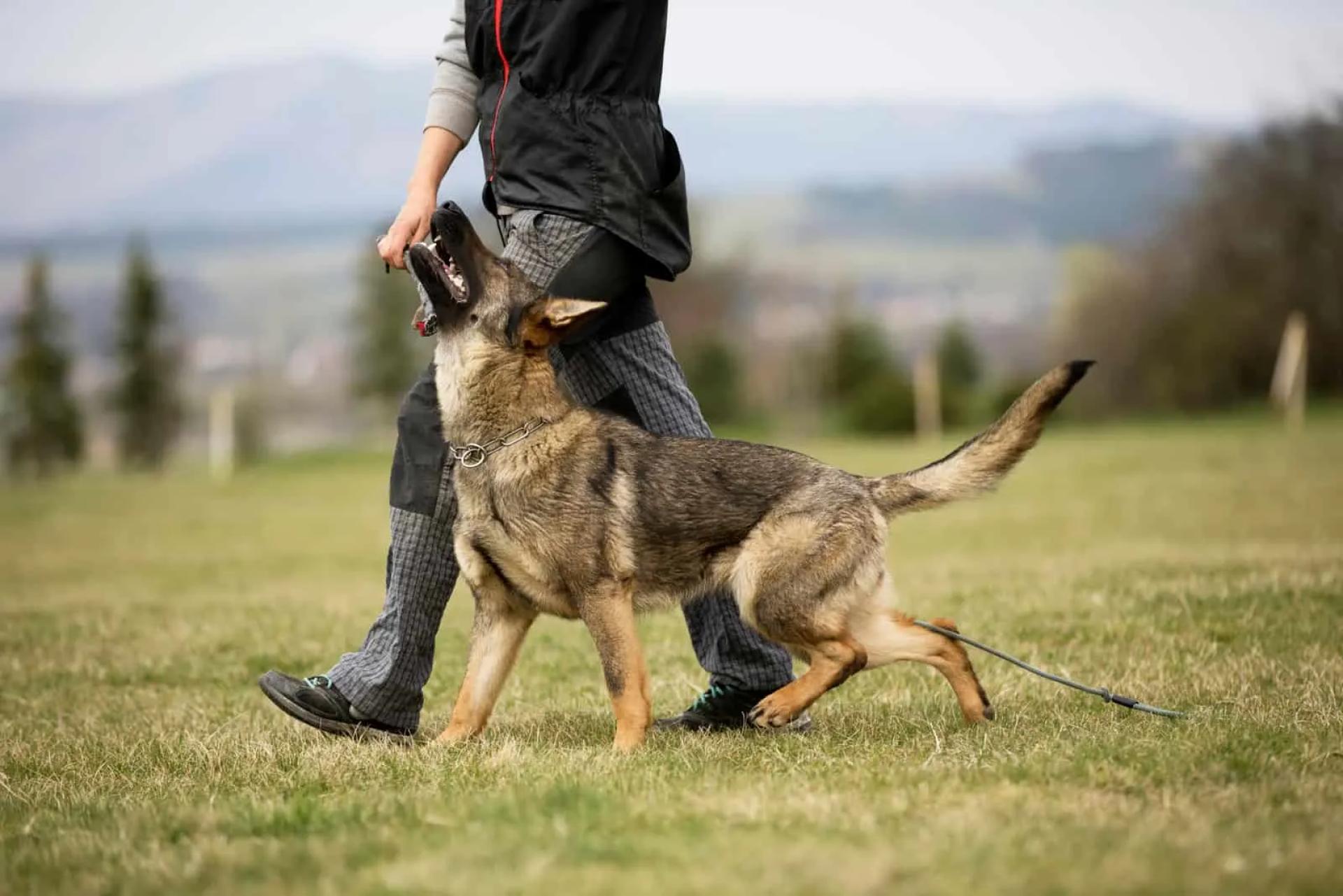

German Shepherds are one of the most intelligent and loyal dog breeds. They are fast learners and eager to please, which makes training easier than with many other breeds. But their energy, strength, and intelligence mean they also need the right guidance. Without training, they can become restless and develop behavior problems. This guide will show you how to train a German Shepherd dog with proven methods that build trust and control.
Why Training Matters for German Shepherds
Training is more than teaching tricks. For German Shepherds, it shapes their behavior, builds discipline, and strengthens the bond with their owner. These dogs were bred for work—herding, guarding, and assisting people. That means they are happiest when given structure and tasks.
Untrained German Shepherds may bark too much, chew, or act aggressively. Proper training prevents these issues and helps your dog become a well-mannered family member.
The Basics of German Shepherd Training
Start Early with Socialization
The first step in training is socialization. Expose your puppy to new people, dogs, sounds, and places. This helps them grow into calm and confident adults. A well-socialized German Shepherd is less likely to be fearful or aggressive.
Take your puppy on walks in safe public areas. Let them meet friendly dogs. Invite friends over so your pup learns that visitors are welcome. These small steps create a solid foundation for obedience training.
Obedience Training Commands
Teaching basic commands gives you control and makes life easier for both you and your dog. Start with:
- Sit – helps with impulse control.
- Stay – teaches patience.
- Come – ensures recall and safety.
- Down – reduces excitability.
- Heel – keeps walks calm and controlled.
Always use short, clear commands. Reward your dog with treats or praise the moment they obey. This positive reinforcement motivates them to repeat the behavior.
Training Methods That Work Best
Positive Reinforcement
German Shepherds respond best to rewards. Use treats, toys, or affection when they follow commands. Avoid punishment—it creates fear and damages trust. Instead, redirect unwanted behavior and reward the correct action.
Consistency Is Key
Dogs learn through repetition. Use the same command words every time. Make sure everyone in the family trains the dog in the same way. Mixed signals confuse your dog and slow progress.
Short, Focused Sessions
German Shepherds have high energy but can get bored if training is too long. Keep sessions between 10–15 minutes, several times a day. End on a success so your dog stays motivated.
House Training Your German Shepherd
House training should begin as soon as you bring your puppy home. Take them outside often—after meals, naps, and play. Praise them when they go in the right spot. Crate training can help by teaching bladder control and preventing accidents indoors.
Handling Common Training Challenges
Excessive Barking
German Shepherds are natural guardians, but barking can get out of control. Teach the “quiet” command. When they bark, say the command and reward silence. Give them enough exercise and mental stimulation to reduce boredom barking.
Pulling on the Leash
Because of their size, pulling can be dangerous. Use a no-pull harness and train the “heel” command. Stop walking when they pull and only continue when they return to your side.
Separation Anxiety
These dogs form strong bonds and may struggle when left alone. Build up separation time slowly. Leave them with toys or puzzles to keep them occupied.
Advanced Training Options
Once your dog masters the basics, move on to advanced training:
- Agility training – burns energy and builds focus.
- Scent work – taps into their natural tracking skills.
- Protection or guard training – only with professional guidance.
Some owners also consider professional obedience classes or working-dog training programs. Trainers with experience in German Shepherd behavior can help take skills to the next level.
Exercise and Mental Stimulation
Training alone is not enough. German Shepherds need at least 1–2 hours of exercise every day. Walks, runs, fetch, and tug-of-war all keep their bodies active. Pair this with puzzle toys, obedience games, and new challenges to keep their minds sharp.
Building a Lifelong Bond
The key to a well-trained German Shepherd is trust. Training should feel like teamwork, not a battle. Be patient, consistent, and loving. Over time, your dog will look to you as a leader they can depend on.
Conclusion
Learning how to train a German Shepherd dog is one of the best things you can do for your pet. With early socialization, obedience training, and positive reinforcement, you’ll raise a confident and well-behaved companion. Add daily exercise and mental stimulation, and your German Shepherd will thrive.
At Focus Pet Care, we believe every dog deserves training that brings out their best. With the right approach, your German Shepherd will not only be obedient but also a loyal and trusted member of your family.






























Sign in to leave a comment.