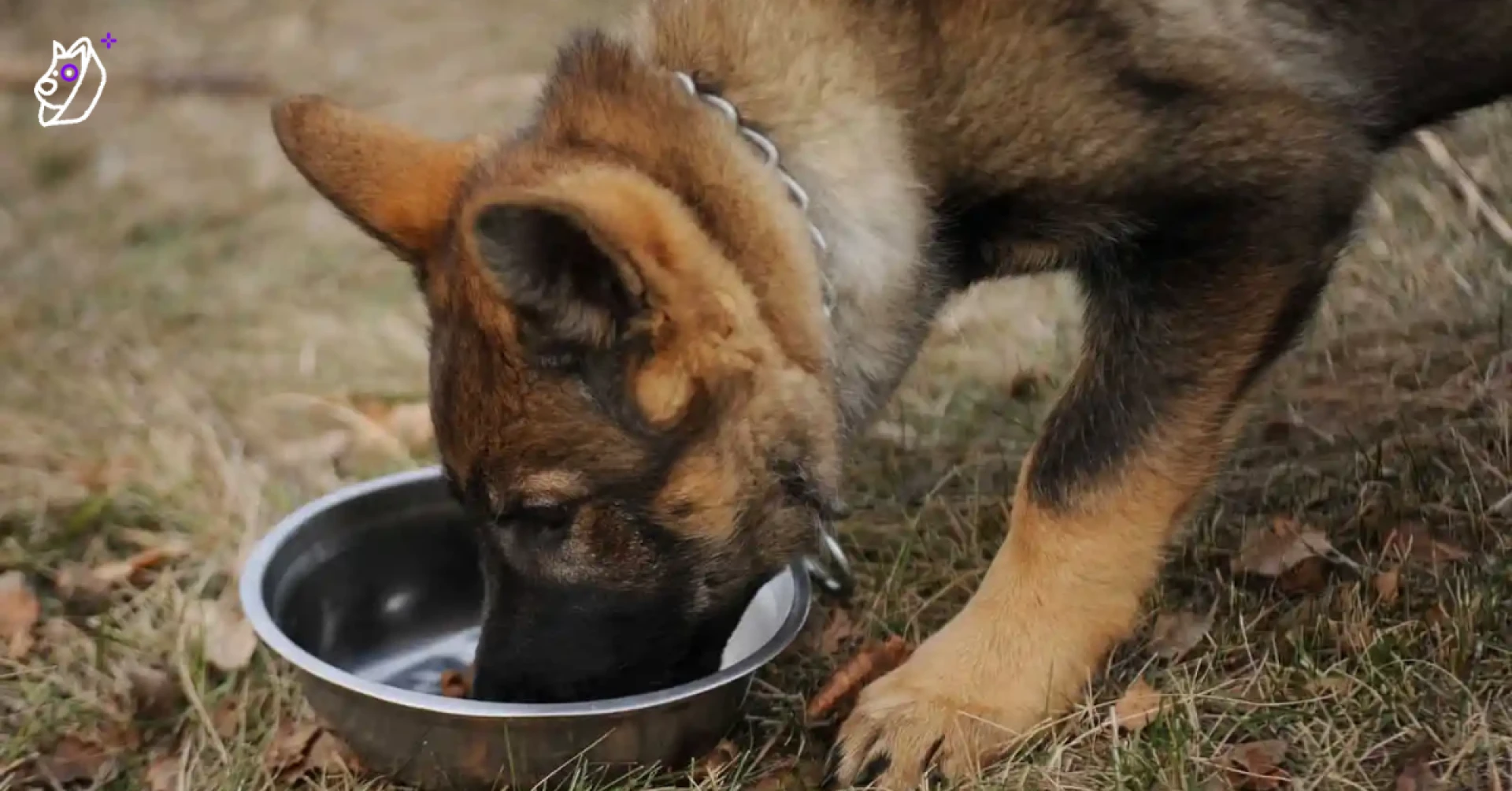

The German Shepherd is one of the most popular and admired dog breeds worldwide. Known for intelligence, strength, and loyalty, these dogs require balanced nutrition to perform at their best. Feeding the right German Shepherd diet supports muscle growth, energy, and long-term health.
In this guide, we’ll cover what German Shepherds need in their daily meals, which foods to avoid, and how to support them at every life stage.
Why Diet Matters for German Shepherds
German Shepherds are active, high-energy dogs that burn calories quickly. Poor nutrition can lead to joint problems, digestive issues, or weight imbalances. A proper diet ensures strong bones, a healthy coat, and a robust immune system.
Nutritional Needs of German Shepherds
A German Shepherd diet must include the right balance of proteins, fats, carbohydrates, vitamins, and minerals.
Protein for Muscle and Energy
Proteins are the foundation of a German Shepherd’s diet. They fuel muscle growth, repair tissues, and provide lasting energy. Look for animal-based proteins such as chicken, turkey, beef, lamb, or fish.
Healthy Fats for Skin and Coat
Fats provide concentrated energy and keep the coat shiny. Omega-3 and Omega-6 fatty acids reduce inflammation and support brain function.
Carbohydrates for Fuel
Carbs from whole grains, sweet potatoes, and peas give energy for play, training, and exercise. Avoid cheap fillers like corn and soy, which may trigger sensitivities.
Vitamins and Minerals
- Calcium and phosphorus for strong bones
- Vitamin E and selenium for immune defense
- Zinc for skin and coat health
German Shepherd Diet by Life Stage
The best food for your German Shepherd depends on their age and activity level.
Puppies
German Shepherd puppies grow quickly and need protein-rich diets for bone and muscle development. Puppy formulas with DHA support brain growth. Overfeeding should be avoided because it can cause joint issues later in life.
Adults
Adult German Shepherds thrive on diets that balance protein, fats, and carbs. High-quality kibble, raw, or home-cooked meals should provide enough calories for their activity levels. Working or highly active dogs may need more calories than companion dogs.
Seniors
Older German Shepherds benefit from lower-calorie diets to prevent weight gain. Joint-supporting supplements like glucosamine and chondroitin are helpful. Senior diets should focus on lean proteins and easy-to-digest ingredients.
Special Diet Considerations
German Shepherds are prone to certain health conditions that affect diet.
Joint Problems
Because of their large size, German Shepherds often suffer from hip dysplasia or arthritis. Diets with added glucosamine, chondroitin, and omega fatty acids help support joint health.
Digestive Sensitivities
Many German Shepherds have sensitive stomachs. Limited ingredient or grain-free foods may reduce bloating, gas, or diarrhea.
Allergies
Food allergies can cause skin problems or ear infections. If allergies are suspected, novel proteins such as duck or venison may be better choices.
Types of Diets for German Shepherds
There are different ways to feed your German Shepherd, depending on your preference and your dog’s needs.
Commercial Kibble
Convenient and balanced, high-quality kibble is a common choice. Look for brands that use real meat and avoid artificial additives.
Raw Diet
Some owners prefer raw feeding for fresher nutrition. Raw diets may include meat, organs, bones, and vegetables. However, raw diets must be balanced carefully and require strict hygiene.
Home-Cooked Diet
Cooking at home gives full control over ingredients. Meals can include lean meats, brown rice, vegetables, and supplements. It’s important to work with a vet or canine nutritionist to avoid nutrient gaps.
Feeding Guidelines
How much your German Shepherd should eat depends on age, activity, and size.
- Puppies (2–6 months): 3–4 meals daily
- Adults: 2 meals daily
- Seniors: 2 smaller meals daily
Always provide fresh water, and avoid feeding right before intense exercise to reduce the risk of bloat.
Foods to Avoid
Certain foods are harmful to German Shepherds and should never be part of their diet:
- Chocolate and caffeine
- Onions and garlic
- Grapes and raisins
- Cooked bones
- High-fat scraps and fried foods
Supplements for German Shepherds
Along with a complete diet, some supplements support specific health needs:
- Glucosamine and chondroitin for joint support
- Fish oil for skin, coat, and heart health
- Probiotics for digestive balance
- Multivitamins to cover nutritional gaps
Final Thoughts
Feeding a proper German Shepherd diet is one of the most important parts of caring for this loyal and hardworking breed. A balance of proteins, fats, carbs, vitamins, and minerals will keep your dog healthy from puppyhood to old age.
At Focus Pet Care, we believe every German Shepherd deserves meals that fuel strength, protect joints, and promote a long, happy life.






















Sign in to leave a comment.