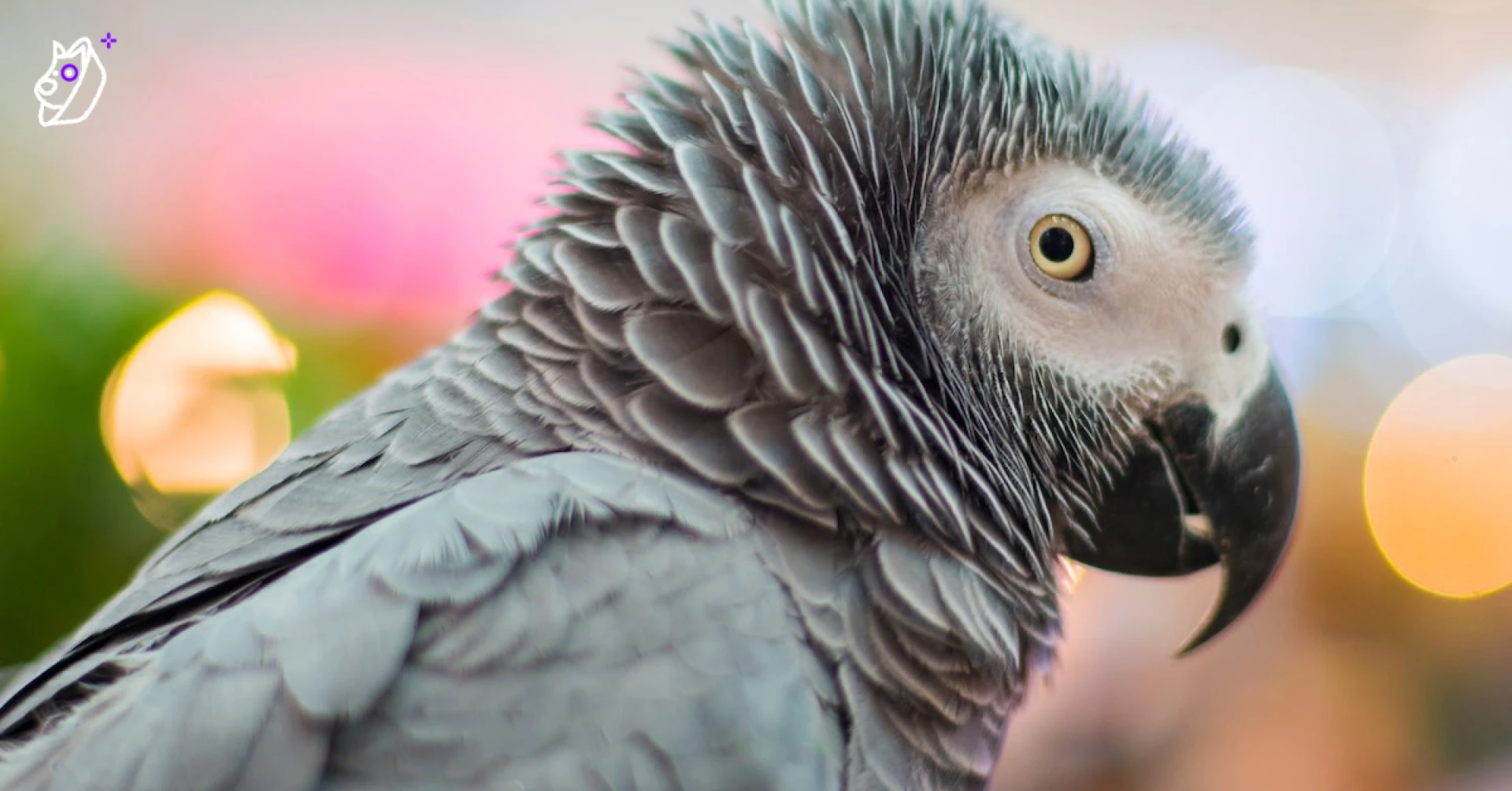

African Grey Parrots are often called the “Einsteins” of the bird world. They’re brilliant, sensitive, and full of personality. But that intelligence comes with needs many owners underestimate. Taking care of an African Grey isn’t complicated once you understand what makes them thrive—mental stimulation, balanced food, social time, and trust.
Understanding the African Grey Parrot
Before thinking about toys or treats, start with what this bird really is. African Greys come from the rainforests of central Africa. They live in flocks, communicate constantly, and rely on social interaction for survival. In homes, that translates to one big rule: they can’t be ignored.
They form strong emotional bonds. If left alone for long hours, they can become anxious or start plucking their feathers. These are signs of stress, not bad behavior. So, the first part of good care is time—real time with your bird every single day.
The Right Cage and Space
African Greys need space to move, climb, and stretch. A small cage is a recipe for boredom and frustration. The cage should be at least 36x24x48 inches, with horizontal bars for climbing and plenty of perches.
Place the cage in a well-lit area where people spend time—like a living room corner. Avoid kitchens (fumes are toxic) or drafty spots near windows. They like feeling part of the household but still need a quiet area to rest.
Rotate toys every week. Add ladders, ropes, and chewable wood pieces. They love shredding things—it’s normal. Just make sure everything is safe, without loose wires or toxic coatings.
Feeding an African Grey
Diet is the backbone of health. Seeds alone don’t cut it. They’re too fatty and lack key nutrients.
A proper African Grey diet includes:
- 60–70% high-quality pellets
- 20–25% fresh fruits and vegetables
- Small portions of nuts and seeds as treats
Greens like kale, spinach, and broccoli are excellent. So are carrots, bell peppers, and apples (without seeds). Avoid chocolate, avocado, onion, and caffeine—these can be deadly.
Always wash fruits and veggies. Remove anything left in the cage after a few hours to prevent bacteria growth. Provide fresh water daily, and clean the bowls thoroughly.
Mental Stimulation and Social Needs
This is the part most owners miss. African Greys need mental work. Without it, they get bored fast.
Try these:
- Talk to them while doing chores.
- Teach new words or sounds.
- Hide treats inside foraging toys.
- Play simple games like “find the treat” or “step up.”
They thrive on routine. Set feeding, training, and play times. A structured day helps them feel secure. These birds remember patterns—they notice when things change.
Training and Behavior
Training isn’t just for tricks; it’s for communication. Start with short, calm sessions. Use treats like small nuts or bits of fruit as rewards. Never yell or punish. Positive reinforcement is what works.
African Greys can be cautious or shy around new people. Let them come to you. Don’t force interaction. Earning their trust takes time, but once you have it, it’s strong.
Watch for signs of stress: puffed feathers, growling sounds, or biting. These mean the bird feels unsafe. Back off and give them space.
Health and Regular Checkups
African Greys are prone to calcium deficiency and feather plucking. Offer a calcium source like cuttlebone or mineral blocks. Sunlight or a full-spectrum bird light also helps with vitamin D.
Schedule annual checkups with an avian vet. If your parrot starts losing feathers, changes its droppings, or stops eating, don’t wait. Early treatment prevents bigger problems.
Also, never use scented candles, aerosol sprays, or non-stick cookware around them. Their respiratory systems are very sensitive. Even mild fumes can harm them.
Bathing and Grooming
They need regular baths to keep their feathers clean. Some love being misted with a spray bottle, while others prefer shallow bowls of water. Try both and see what your bird likes.
Trim nails and wings only if needed—and only if you know how. If not, let a vet or experienced groomer do it.
Building Trust and Connection
African Greys live for decades. They remember faces, voices, and routines. Building trust isn’t a one-time thing—it’s daily work.
Be gentle, consistent, and calm. Talk softly. Offer treats by hand. Sit nearby, even without touching. That quiet presence teaches them you’re safe. Once they bond, they’ll follow you around, talk to you, and share your moods.
Final Thoughts
Caring for an African Grey Parrot takes patience and commitment. It’s not about fancy cages or endless toys—it’s about time, diet, and understanding their mind.
At Focus Pet Care, we believe every African Grey deserves a life full of enrichment, clean food, and trust. Give your bird what it needs—attention, good nutrition, and respect—and you’ll have a loyal, intelligent companion for decades.





























Sign in to leave a comment.