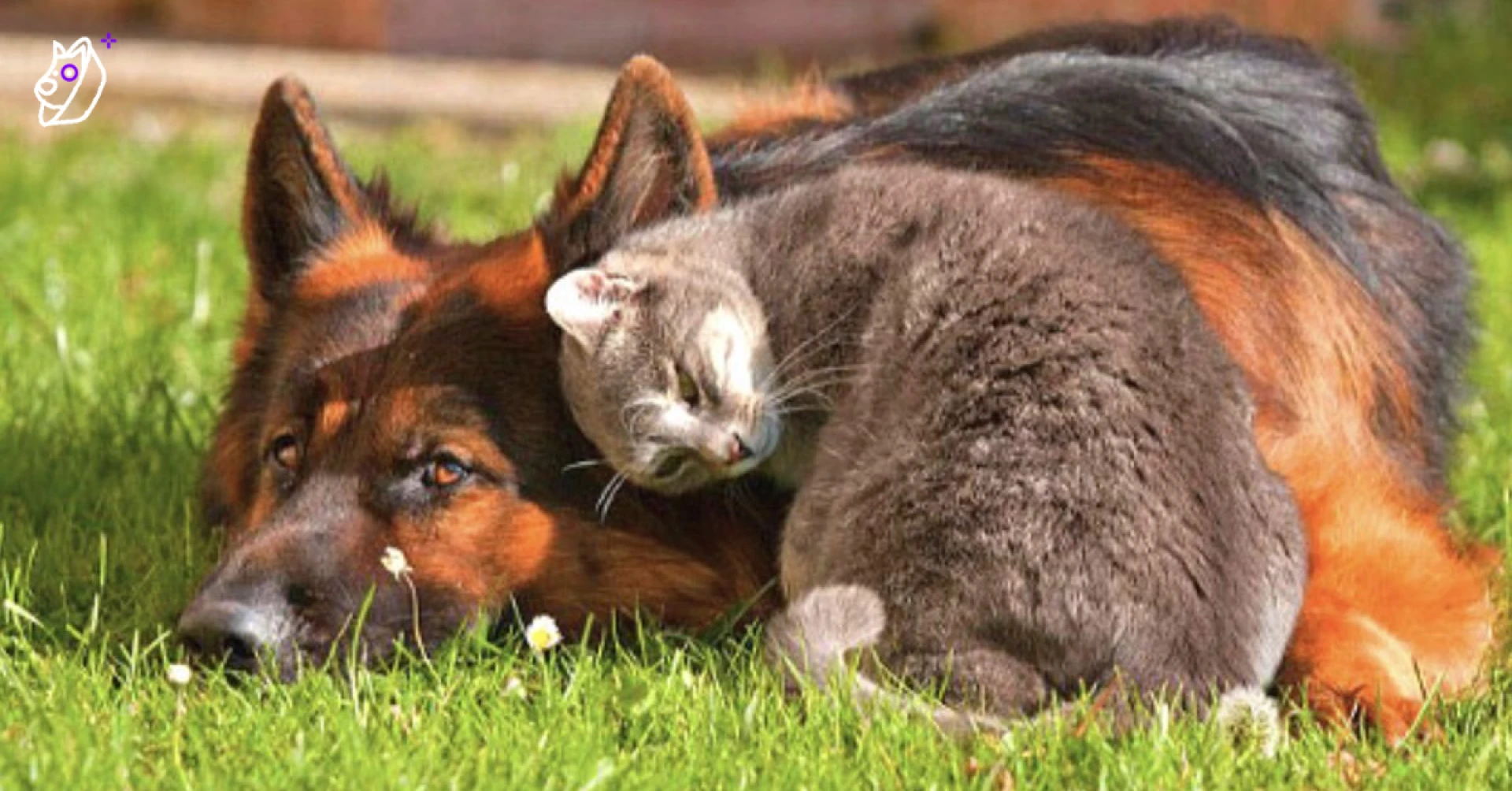

If you’re a pet lover dreaming of a home filled with both a loyal German Shepherd and a curious cat, you might wonder — are German Shepherds good with cats? The short answer is yes, they can be! But it depends on how they’re introduced, trained, and socialized.
German Shepherds are known for their loyalty, intelligence, and protective nature. These traits can work well in a multi-pet household when handled the right way. Let’s explore how to make this friendship possible.
Understanding the German Shepherd’s Nature
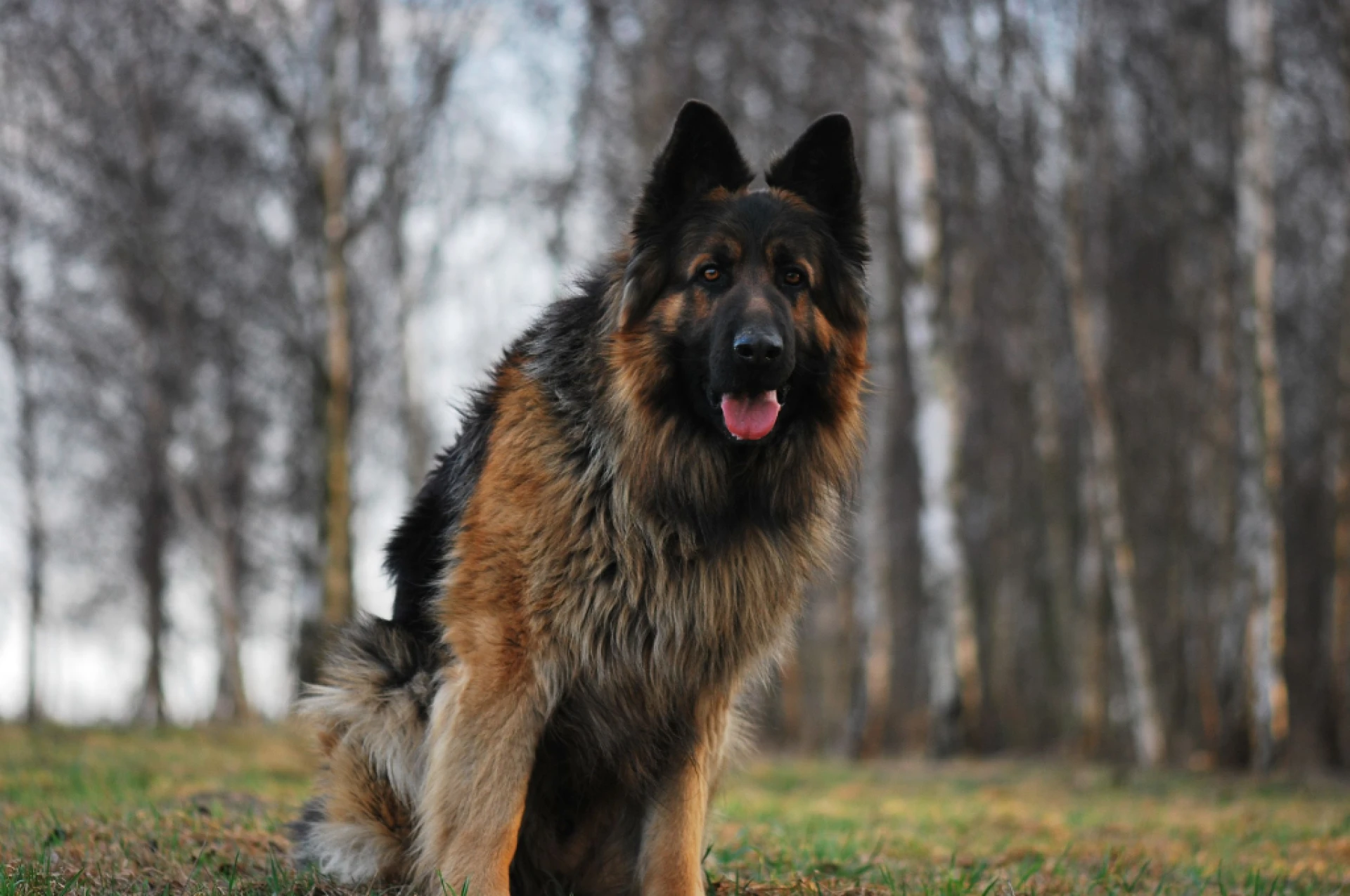
German Shepherds were originally bred as herding and working dogs. That means they have strong instincts to chase and control movement — the same instincts that make them want to herd children or run after small animals.
However, their intelligence and ability to learn quickly also make them one of the easiest breeds to train. A well-trained German Shepherd can live peacefully with a cat once they learn that the cat is part of the family, not prey.
Key Traits That Affect Cat Compatibility:
- Protective instinct: Can make them over-watchful or possessive.
- Herding drive: May cause chasing behavior at first.
- Loyalty and obedience: Helps them respect household rules and other pets.
- High energy: Needs exercise to prevent boredom and tension with cats.
Can German Shepherds and Cats Get Along?
Yes, many German Shepherds and cats can become best friends — or at least peaceful roommates. The key is early socialization and controlled introductions.
If a German Shepherd grows up around cats from a young age, they learn that cats are companions, not something to chase. Even adult dogs can adapt if you’re patient and consistent.
Cats also need time to adjust. Some cats are bold and curious, while others are shy or easily frightened. The success of the bond depends on both pets’ personalities and how you manage their first meetings.
How to Introduce a German Shepherd to a Cat
1. Start Slow
Keep your pets in separate rooms at first. Let them sniff each other through a door or baby gate. Exchange blankets or toys so they get used to each other’s scent before meeting face-to-face.
2. Use Positive Reinforcement
When your German Shepherd stays calm near the cat, reward them with treats and praise. This teaches your dog that good behavior around the cat brings rewards.
3. Keep Early Meetings Controlled
Use a leash for your dog during the first few meetings. Allow the cat to come closer at its own pace. Never force contact or chase behavior.
4. Watch Body Language
Look for signs of stress in both pets. A stiff tail, growling, or flattened ears mean it’s time for a break. Calm behavior and curiosity are good signs.
5. Supervise Until You’re Confident
Even after they seem to get along, continue to supervise for a few weeks. Some dogs may take months to fully relax around cats.
Training Tips for Peaceful Coexistence
Training plays a big role in creating harmony. Use these strategies:
- Teach the “Leave it” and “Stay” commands early. They help you control your dog when curiosity turns to chasing.
- Provide enough physical and mental exercise for your German Shepherd. A tired dog is less likely to bother the cat.
- Create safe zones for your cat, like high perches or cat trees where the dog can’t reach.
- Feed them separately to prevent food guarding or jealousy.
With time, your German Shepherd will learn to respect the cat’s space, and the cat will feel more secure.
What If Things Don’t Go Smoothly?
Sometimes, even with your best efforts, things might not click right away. If your German Shepherd continues to chase or bark excessively, go back to step one — separation and scent training.
You can also consult a professional dog trainer or behaviorist. They can help identify triggers and teach techniques to calm your dog’s instincts. Patience is key. Many households need weeks or even months before pets fully adjust.
Signs of a Successful Bond
When your German Shepherd and cat start doing these things, you’ll know they’re getting along:
- They nap in the same room peacefully.
- The dog ignores the cat’s movements instead of chasing.
- They play gently under supervision.
- Both seem relaxed and curious, not anxious or defensive.
These are great signs that trust is building between them.
Final Thoughts
So, are German Shepherds good with cats? Absolutely — when trained, socialized, and introduced properly. Their loyalty and intelligence make them capable of forming loving bonds with cats and other pets.
Remember, every dog and cat is unique. With patience, structure, and care, your home can be a peaceful space where both thrive.
At Focus Pet Care, we believe every pet deserves a happy, safe, and loving environment. Whether you’re raising a German Shepherd, a curious kitten, or both, understanding their needs helps build harmony — one paw at a time.






























Sign in to leave a comment.