

Melasma is a common skin condition that causes dark or discolored patches to appear on the face, particularly on the cheeks, forehead, nose, and upper lip. It often develops due to hormonal changes, sun exposure, and genetic factors, making it a persistent concern for many individuals. Understanding how topical treatments work is an important step in managing this condition effectively. A carefully selected cream for melasma treatment can help reduce pigmentation, support skin renewal, and promote a more even complexion when used consistently and correctly.
Understanding Melasma and Its Causes
Melasma occurs when melanocytes, the cells responsible for producing pigment, become overactive. This leads to an excess production of melanin in certain areas of the skin. While it is not harmful, it can have a noticeable impact on appearance and self confidence.
Hormonal Influences
Hormonal changes are one of the most common triggers of melasma. Pregnancy, use of oral contraceptives, and hormone therapy can stimulate melanin production. This is why melasma is sometimes referred to as the mask of pregnancy.
Sun Exposure
Ultraviolet radiation from the sun plays a significant role in worsening melasma. Even minimal sun exposure can darken existing patches and make treatment more challenging. This is why sun protection is considered a cornerstone of any melasma management plan.
Genetic and Lifestyle Factors
A family history of melasma increases the likelihood of developing the condition. Additionally, factors such as heat exposure, certain cosmetics, and skin care practices can contribute to flare ups.
Why Cream Based Solutions Are Popular for Melasma
Topical creams are often the first line of treatment for melasma because they are non invasive and easy to incorporate into daily routines. These formulations target pigmentation directly at the skin level and can be customized based on individual skin needs.
Targeted Action on Pigmentation
Creams designed for melasma focus on regulating melanin production and encouraging the shedding of pigmented skin cells. This targeted approach allows for gradual lightening of dark patches over time.
Suitable for Long Term Use
When formulated correctly and used under guidance, topical creams can be used for extended periods. This makes them suitable for managing a condition that often requires ongoing care rather than a one time solution.
Compatibility With Other Skin Care Practices
Cream based treatments can be combined with gentle cleansers, moisturizers, and sun protection products. This holistic approach supports overall skin health while addressing pigmentation concerns.
Key Ingredients Commonly Found in Melasma Creams
Understanding the ingredients in melasma creams helps users make informed choices and set realistic expectations for results.
Tyrosinase Inhibitors
Tyrosinase is an enzyme involved in melanin production. Ingredients that inhibit this enzyme help reduce the formation of new pigment. This mechanism is essential for preventing further darkening of melasma patches.
Exfoliating Agents
Certain creams contain mild exfoliating components that encourage skin cell turnover. By removing pigmented cells from the surface, these ingredients help reveal brighter and more evenly toned skin beneath.
Anti Inflammatory Components
Inflammation can worsen pigmentation issues. Ingredients with soothing properties help calm the skin, reduce redness, and support the healing process, making treatment more effective and comfortable.
Antioxidants
Antioxidants protect the skin from environmental stressors such as pollution and sun exposure. They also support skin repair and enhance the effectiveness of other active ingredients.
How to Use Cream Based Treatments Effectively
Proper application plays a major role in achieving desired outcomes when using topical solutions for melasma.
Consistency Is Essential
Results from melasma creams are gradual. Consistent daily use as directed is necessary to see visible improvement. Skipping applications or using the product irregularly can delay progress.
Correct Application Techniques
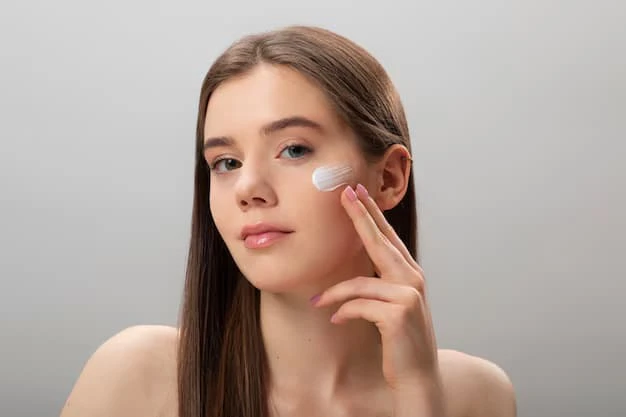
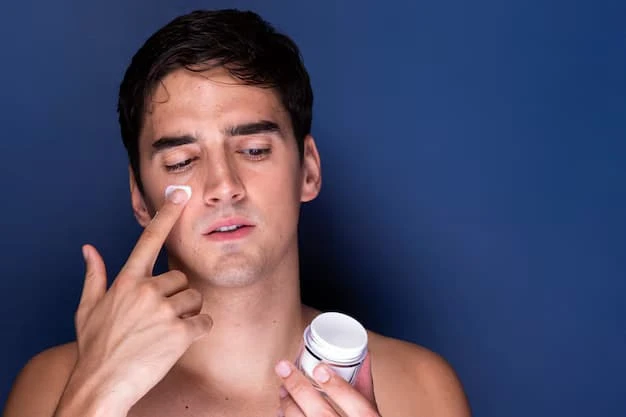
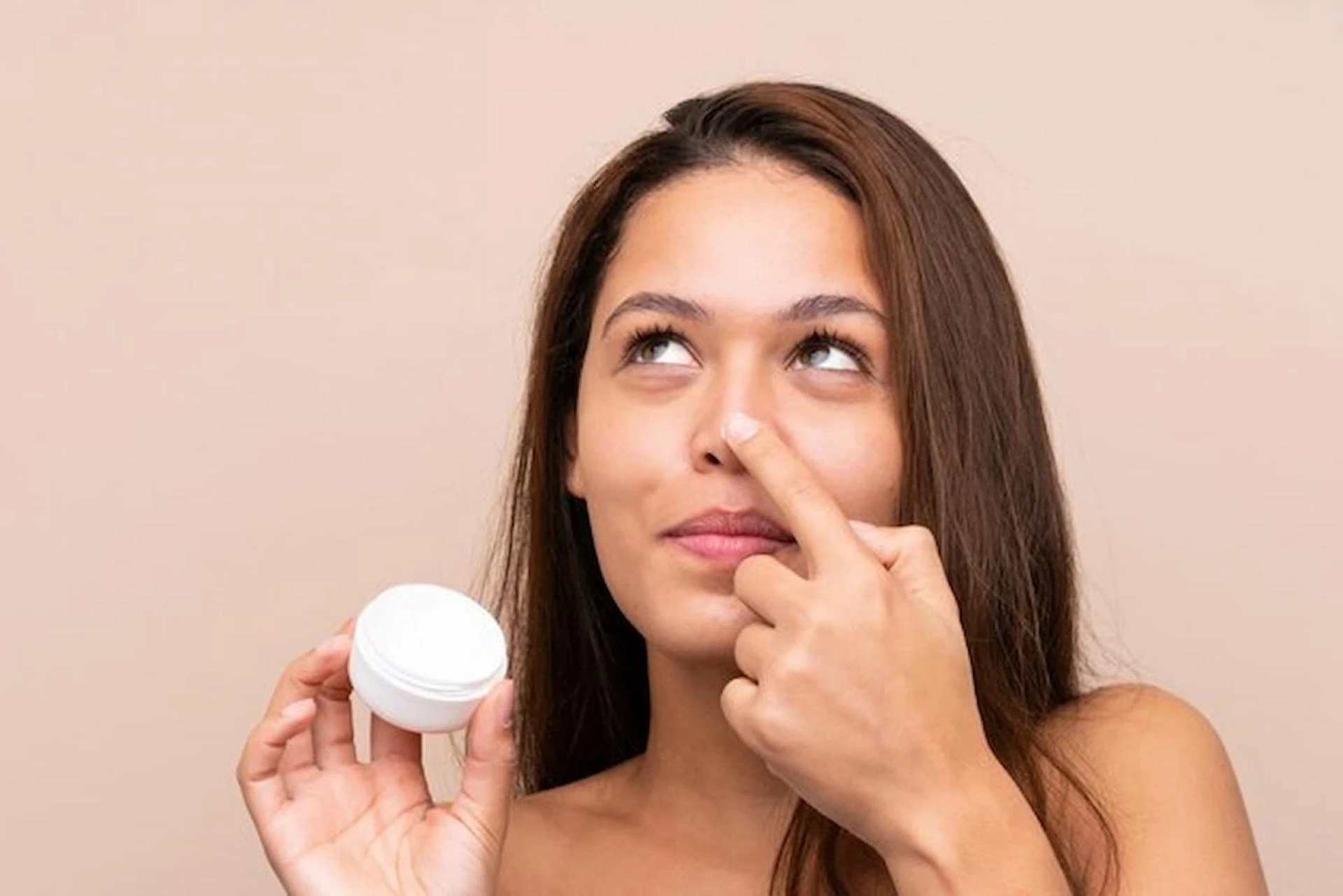
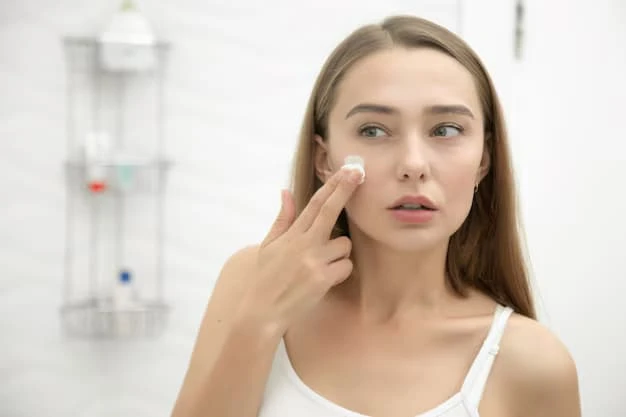
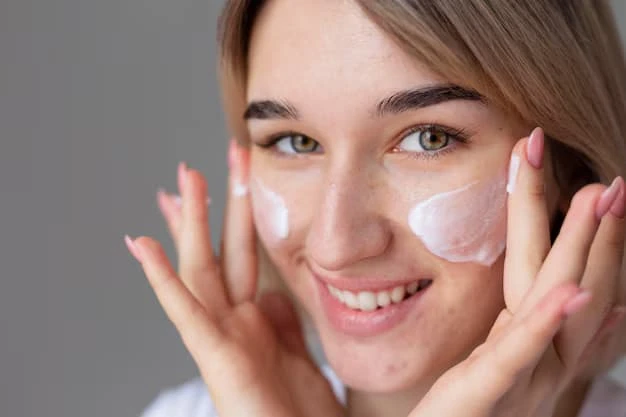
Applying a thin, even layer to affected areas ensures optimal absorption. It is important to use clean hands and avoid rubbing the product aggressively into the skin.
Importance of Sun Protection
No melasma treatment is complete without adequate sun protection. Applying a broad spectrum sunscreen daily helps prevent new pigmentation and protects the skin while it is undergoing treatment.
Expected Results and Realistic Timelines
Melasma does not resolve overnight, and patience is key when using cream based solutions.
Gradual Improvement
Most individuals begin to notice subtle changes in skin tone after several weeks of consistent use. Dark patches may start to fade slowly, blending more naturally with surrounding skin.
Maintenance Phase
Once improvement is achieved, maintenance becomes important. Continued use of gentle brightening products and strict sun protection helps keep melasma from returning or worsening.
Individual Variability
Results can vary depending on skin type, depth of pigmentation, and adherence to the treatment plan. Some cases respond more quickly, while others require a longer commitment.
Common Mistakes to Avoid During Treatment
Avoiding certain pitfalls can enhance the effectiveness of cream based melasma treatments.
Overuse of Active Products
Using too much product or applying it more frequently than recommended can irritate the skin. Irritation may lead to inflammation, which can worsen pigmentation.
Ignoring Sun Exposure
Even the most effective cream will have limited success if the skin is repeatedly exposed to sunlight without protection. Consistent sun avoidance and protection are essential.
Mixing Too Many Treatments
Using multiple strong products at the same time can overwhelm the skin. A simple and well planned routine often delivers better results than an overly complex one.
When to Seek Professional Guidance
While creams can be highly effective, some cases of melasma may require additional support.
Persistent or Worsening Melasma
If pigmentation does not improve or becomes darker despite consistent treatment, professional evaluation may be necessary to adjust the approach.
Sensitive Skin Reactions
Individuals with sensitive skin should monitor for redness, itching, or discomfort. Guidance from a qualified professional can help modify the routine to reduce irritation.
Combination Approaches
In some situations, topical creams may be combined with other non invasive options to enhance results. Professional advice ensures these combinations are safe and appropriate.
Supporting Melasma Treatment With Lifestyle Choices
Daily habits can influence how well the skin responds to topical treatments.
Gentle Skin Care Routine
Using mild cleansers and avoiding harsh scrubs helps maintain the skin barrier. Healthy skin responds better to brightening treatments and recovers more efficiently.
Heat Management
Excessive heat can stimulate melanocytes. Minimizing exposure to hot environments and using cooling measures when possible may help control flare ups.
Balanced Diet and Hydration
A diet rich in antioxidants and adequate hydration supports overall skin health. While diet alone cannot cure melasma, it can complement topical care.
Conclusion
Treating melasma with cream based solutions requires a thoughtful and consistent approach. By understanding the causes of melasma, selecting appropriate topical ingredients, and supporting treatment with sun protection and healthy habits, individuals can achieve noticeable improvements over time. Creams offer a practical and accessible way to manage pigmentation and maintain a more even skin tone when used responsibly and patiently. For those seeking guidance and quality skin care solutions, MiQuest is committed to supporting informed choices and long term skin confidence.



























Sign in to leave a comment.