How to Turn Your Training Business into a Profit Generator with Built-In E-Commerce Tools
The global corporate training market is projected to reach $493 billion by 2028, yet many training providers still struggle to capture their fair share. Why? Because they're treating digital transformation like a logistics upgrade instead of a revenue revolution. According to a recent industry report, training businesses that integrate e-commerce capabilities into their learning platforms see an average 43% increase in course enrolments within the first year not because their content improved, but because they finally removed the friction between interest and purchase.
If you're still collecting payments through bank transfers or chasing invoices via email, you're not just losing time. You're losing money with every click your potential learners must make before they can access your courses.
Why Traditional Training Models Limit Growth
Traditional training businesses operate like retail stores from the 1990s everything requires human intervention. A prospective learner expresses interest, someone manually sends them a quote, they reply with questions, payment instructions are emailed back and forth, bank transfers are verified, and finally sometimes days later course access is granted.
This model creates multiple problems. Revenue leakage happens when interested buyers abandon the process due to complexity or delay. Your team spends hours on administrative tasks that generate zero additional value. Perhaps most damaging, learner experience suffers dramatically. In an era where people can subscribe to Netflix in 30 seconds, making them wait three days to start a professional development course feels absurdly outdated.
The conversion rate impact is real: studies show that every additional step in a purchase process reduces completion rates by approximately 20%. When your enrolment process has five unnecessary steps, you're potentially losing more than half your interested prospects before they ever become paying learners.
What "Built-In E-Commerce" Means in a Corporate Training Platform
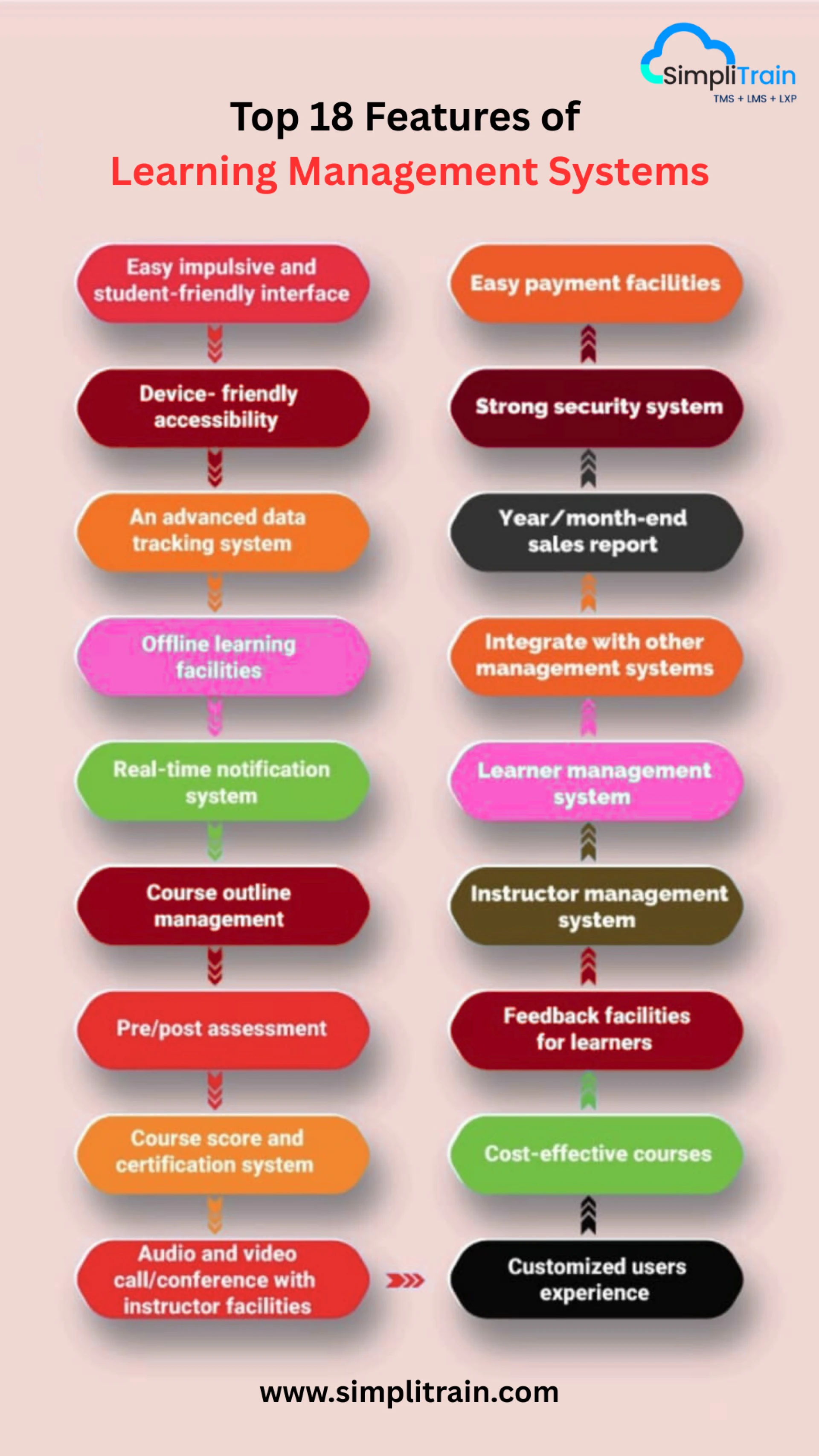
Built-in e-commerce functionality transforms you corporate training platform into a complete business system, not just a content repository. Think of it as the difference between owning a warehouse full of products and operating a fully functional online store.
A comprehensive course catalogue with dynamic pricing capabilities lets you showcase your entire training portfolio with clear value propositions. Prospective learners can browse courses, compare options, and make informed decisions without scheduling a sales call. Secure online payment processing supporting credit cards, digital wallets, and regional payment methods eliminates the friction that kills conversions.
Discount codes and promotional offers become strategic tools rather than administrative nightmares. Want to run a limited-time promotion for your leadership development program? Create a 20% discount code that automatically applies at checkout. Planning to reward loyal clients? Set up automated pricing tiers that recognize returning learners.
Subscription and bundle pricing models unlock recurring revenue streams. Instead of selling individual courses, you can offer monthly access to your entire certification library or bundle complementary programs at attractive price points. The system handles the complexity recurring billing, prorated charges, bundle logic while you focus on creating valuable learning experiences.
Automated enrolment means learners gain instant access the moment payment clears. No manual verification, no waiting for someone to process their registration. The LMS automatically creates their account, enrols them in purchased courses, and sends welcome emails with login credentials.
Tax and invoice management handles the compliance burden that often overwhelms growing training businesses. The system calculates appropriate taxes based on learner location, generates professional invoices automatically, and maintains records that simplify accounting and audit processes.
How E-Commerce Turns Training into a Profit Engine
The business impact of integrated e-commerce extends far beyond operational efficiency. Your training business operates 24/7 without additional staff. A learner in Singapore can purchase your compliance training at 3 AM their time while you sleep, and they'll be fully enrolled and learning before you check your inbox the next morning.
Global reach becomes genuinely achievable. Without geographical constraints or time zone limitations, your addressable market expands exponentially. That specialized VILT program you developed can now serve clients across continents without requiring you to schedule international calls for basic enrolment.
Cash flow accelerates dramatically. Traditional models often involve 30-day payment terms and manual reconciliation processes. E-commerce means immediate payment capture and automated financial tracking. Your revenue becomes predictable rather than perpetually "in process."
Upselling and cross-selling opportunities multiply through intelligent system design. When learners complete a foundational course, automated recommendations suggest advanced programs. Bundle offers encourage larger purchases at enrolment. Strategic pricing psychology like showing the value of annual subscriptions versus monthly billing increases average transaction values without pushy sales tactics.
Scalability becomes built into your business model. Adding your 100th course takes the same effort as adding your tenth. Serving your 1,000th learner costs marginally less than serving your 100th. This is the definition of a profit engine: systems that generate increasing returns as volume grows.
Use Cases by Audience Type
Training Institutes
Traditional training institutes can transform physical classroom dependency into blended learning revenue models. Your established Python programming course doesn't need to wait for enough local enrolments to justify scheduling a session. Convert it into a self-paced online version, bundle it with monthly live Q&A sessions, and sell it continuously to a global audience. Hybrid programs combining eLearning modules with periodic in-person workshops let you monetize content year-round while maintaining the high-touch elements that differentiate your brand.
Independent Training Providers
Solo trainers and small training companies gain enterprise-level selling capabilities without enterprise costs. Launch courses directly to your audience without surrendering 30-50% revenue to marketplace platforms. Own your learner data completely, enabling sophisticated marketing and relationship building. Your expertise becomes a sustainable business rather than an exhausting treadmill of one-off engagements.
Corporate Training Providers
Organizations offering B2B training services can monetize certification programs that previously served only as lead generation tools. Create paid learning portals for partner companies, providing branded training experiences that generate recurring revenue. Sell compliance and upskilling programs as standalone products rather than bundling them into larger consulting engagements, diversifying revenue streams and reducing project dependency.
Built-in e-commerce tools don't just streamline operations they fundamentally transform how training businesses capture value, creating sustainable profit engines from expertise that previously required constant manual effort to monetize.






























Sign in to leave a comment.