

Long-sightedness eye surgery is often discussed by people who struggle to see close objects clearly, while distant objects appear sharper. This condition can affect reading, daily tasks, and comfort during work. Many people consider medical correction when glasses or contact lenses no longer feel suitable for their routine. Understanding how eye surgery for long-sightedness works can help patients make informed decisions about their vision care.
The process involves careful assessment of the eyes, measurement of focusing ability, and discussion of suitable correction methods. It is not a quick choice, but a planned medical step that requires guidance from trained professionals. With growing awareness and improved methods, more people are exploring this option as a long-term solution for clearer vision and improved daily comfort.
Understanding long-sighted vision
Long-sighted vision affects how the eyes focus on near objects. Distance vision often remains clearer, creating an imbalance in daily tasks.
- Eye shape and focusing system influence how light enters and affects vision clarity
- When the eye is shorter, nearby objects appear blurred and difficult to focus clearly
- Glasses or lenses often help manage condition before considering surgical options effectively suitable
- Age and increased near work can make symptoms more noticeable over time
Regular checks help track changes in vision over time. Professional assessment guides whether correction options should be considered.
What the procedure involves
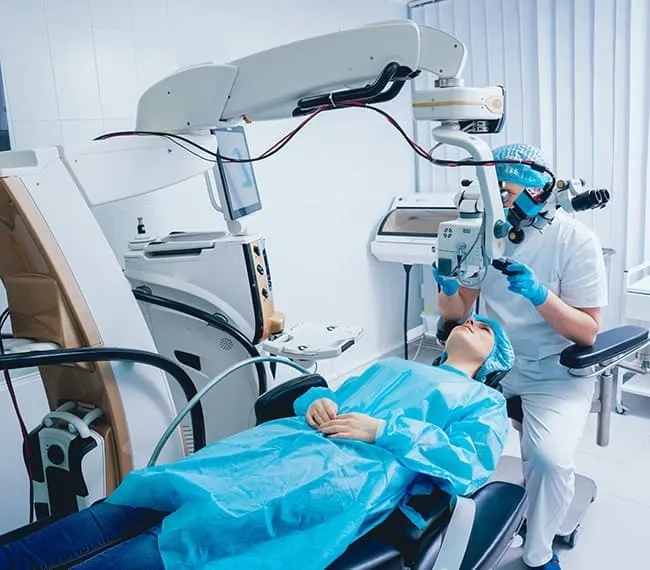
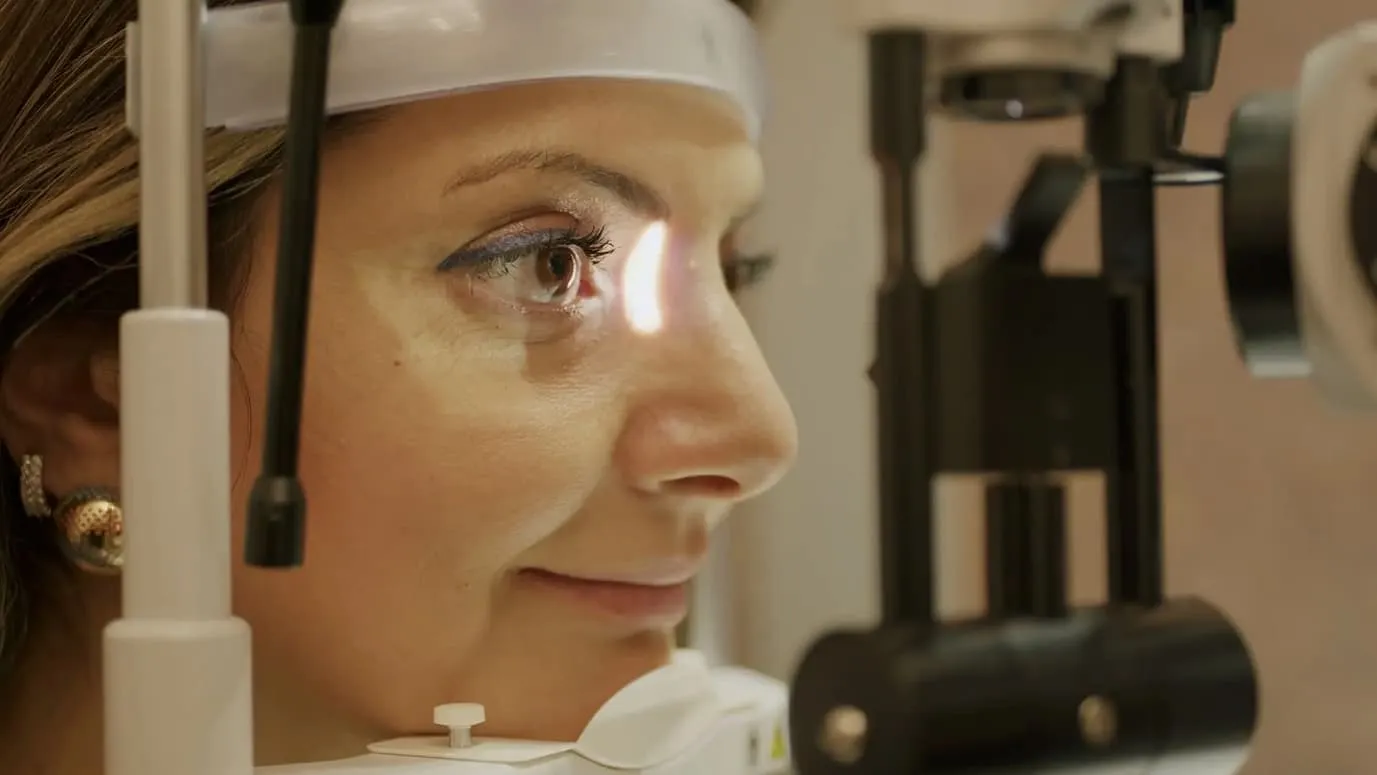
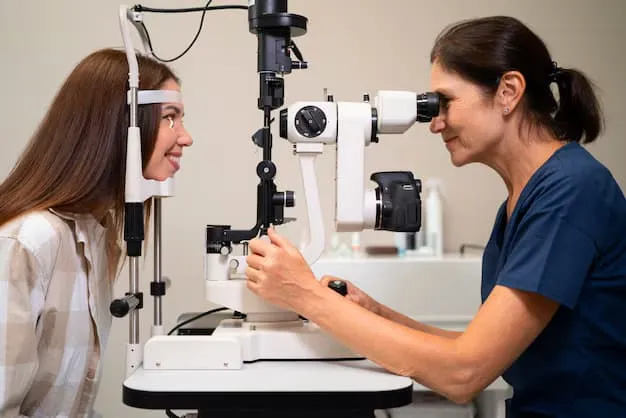
The process of vision correction through medical intervention begins with a detailed assessment of eye health and focusing ability. Measurements are taken to understand how light enters and is processed by each eye. A personalised plan is then considered based on these findings. In many cases, eye surgery for long-sightedness involves adjusting how the eye focuses light so that nearby objects become clearer.
This may include reshaping the cornea or using advanced methods that support better focus. The procedure is carried out with great care, and patients are guided through each stage so they understand what will happen before, during, and after the intervention. Long-sightedness eye surgery is usually planned only after careful checks ensure that the eyes are suitable for correction and that expectations are realistic.
Who may consider this option?
Not everyone with long-sighted vision will require medical correction, but some individuals may look into surgical options when glasses or contact lenses no longer provide enough comfort. People who experience difficulty with reading, close work, or daily visual tasks may be assessed for suitability.
Eye care professionals consider overall eye health, stability of vision, and lifestyle needs before suggesting further steps. Eye surgery for long-sightedness may be discussed when the condition remains stable and other correction methods are not preferred. A full examination is needed to ensure the eyes respond well to planned correction. It is important that expectations remain practical, as results can vary based on individual eye structure and health condition.
Types of corrective methods
Several corrective approaches exist to improve the focusing ability of the eyes. The choice depends on eye structure and visual needs.
- Reshaping the cornea to improve how light is focused entering the eye itself
- Lens implant placed inside the eye to support clearer near vision function use
- Corneal adjustment using advanced techniques to improve focusing across the visual range
- Vision balance improvement, reducing the need for glasses in daily tasks, and overall comfort
Each method is selected after careful assessment and discussion with patients individually. The aim is to improve clarity while maintaining overall eye health safely
Recovery and aftercare
After the procedure, recovery is usually gradual, and vision may take some time to stabilise. Patients are advised to rest their eyes and avoid strain during the early healing phase. Mild discomfort or light sensitivity can occur, but these effects generally reduce over time. Regular follow-up visits are important to monitor progress and ensure proper healing.
Eye surgery for long-sightedness requires patience during recovery, as the eyes adjust to their new focusing pattern. Clear instructions from the care team help support a smooth healing process and reduce the chance of complications.
Possible outcomes and considerations
Results from vision correction procedures vary from person to person, depending on eye structure and overall health. Many people notice improved near vision, while some may still require light correction for certain tasks. It is important to understand both the benefits and the limitations before making a decision.
Eye surgery for long-sightedness should always be considered after a full discussion of possible results, recovery time, and long-term changes in vision. A balanced understanding helps individuals make confident choices about their eye care journey.
Final Thoughts
Choosing a path to improve long-sighted vision is a personal decision that should be guided by careful assessment and clear medical advice. Understanding how the eyes focus, what correction options are available, and what recovery involves helps people feel more prepared.
With proper planning and realistic expectations, many individuals find improved comfort in daily visual tasks. Taking time to learn about the process and asking questions during consultation can make the journey smoother and more reassuring.

























Sign in to leave a comment.