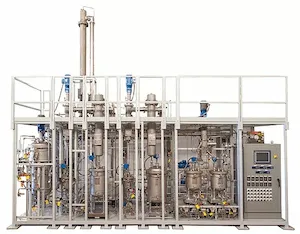

Manufacturers across many industries continually seek practical ways to improve efficiency while maintaining consistent product quality. Rising operational expenses, equipment investments, and strict production standards have encouraged many businesses to explore specialized processing solutions. One of the most effective approaches involves outsourcing purification and separation processes through toll distillation services, allowing organizations to reduce expenses while maintaining high production standards. This strategy enables manufacturers to focus on innovation, product development, and customer satisfaction instead of managing complex distillation operations that require specialized expertise and advanced equipment.
Understanding Toll Distillation Services
What Makes Toll Distillation Different
Toll distillation services involve contracting specialized facilities to perform distillation processes on behalf of manufacturers. Instead of purchasing and maintaining expensive processing equipment, companies provide their raw materials to a dedicated processing facility where experienced professionals carry out purification, separation, or concentration according to precise specifications. This arrangement allows businesses to access advanced technologies without making significant capital investments, making the process attractive for both established manufacturers and growing organizations seeking flexible production solutions.
Industries That Benefit from Toll Distillation
Many industries rely on high purity materials and precise separation techniques to produce quality products. Pharmaceutical manufacturing, chemical processing, biotechnology, food ingredient production, cosmetics, specialty chemicals, and botanical extraction all benefit from outsourced distillation capabilities. Since production requirements often vary throughout the year, manufacturers gain flexibility by using specialized processing partners rather than operating equipment that may remain underutilized during slower production periods, resulting in improved financial efficiency and operational performance.
Lowering Capital Investment Requirements
Eliminating Major Equipment Purchases
Building an in house distillation facility requires a substantial financial commitment. Manufacturers must purchase sophisticated distillation systems, supporting infrastructure, monitoring equipment, and safety systems before production even begins. These investments can consume significant financial resources that could otherwise support research, marketing, or product expansion. Outsourcing the distillation process removes the need for these purchases, allowing companies to preserve capital while still obtaining high quality processing results through experienced specialists.
Avoiding Facility Expansion Costs
Installing industrial distillation equipment often requires extensive facility modifications. Additional floor space, specialized ventilation, upgraded utilities, and enhanced safety measures increase overall project expenses. Construction delays and regulatory approvals may further extend implementation timelines. By choosing outsourced processing instead, manufacturers avoid these infrastructure costs while immediately accessing fully operational facilities designed specifically for complex distillation applications, reducing both financial risk and project completion time.
Reducing Operating Expenses
Lower Labor Costs
Operating advanced distillation equipment requires trained technicians, engineers, maintenance personnel, and quality control specialists. Recruiting, training, and retaining qualified employees represent ongoing expenses that continue regardless of production volume. Outsourced processing facilities already employ experienced professionals who understand sophisticated distillation procedures. Manufacturers therefore avoid significant labor costs while benefiting from established operational expertise, resulting in efficient production without expanding internal staffing requirements.
Lower Utility Consumption
Distillation processes consume considerable amounts of electricity, heating energy, cooling water, and other utilities. Energy prices continue to fluctuate, making production costs difficult to predict when facilities operate independently. Specialized processing providers often optimize energy efficiency through advanced equipment and streamlined workflows. Since utility expenses become part of the contracted processing service, manufacturers gain more predictable budgeting while avoiding the complexities associated with managing large scale utility consumption.
Improving Equipment Utilization
Access to Advanced Technology
Modern distillation technology continues to evolve with improvements in automation, precision controls, and process efficiency. Keeping equipment updated requires continual investment and technical expertise. Specialized processing providers regularly upgrade their systems to maintain competitive performance and meet changing industry standards. Manufacturers benefit from these technological advancements without assuming the financial burden associated with purchasing new equipment or replacing outdated systems throughout the production lifecycle.
Eliminating Equipment Maintenance
Industrial distillation equipment requires routine inspections, preventive maintenance, repairs, calibration, and replacement of worn components. Maintenance interruptions can reduce productivity while increasing operational costs. Outsourcing shifts these responsibilities to specialized processing facilities where maintenance schedules are integrated into normal operations. Manufacturers avoid unexpected repair expenses and production downtime while receiving consistent processing services supported by properly maintained equipment and experienced technical personnel.
Increasing Production Flexibility
Scaling Production Efficiently
Market demand frequently changes throughout the year, making fixed production capacity difficult to manage. Purchasing equipment sized for peak demand often results in underutilization during slower periods, while smaller equipment may limit growth opportunities. Outsourced processing offers greater flexibility because manufacturers can adjust production volumes according to customer requirements without investing in additional infrastructure. This scalable approach supports business growth while maintaining cost efficiency across varying production schedules.
Supporting New Product Development
Developing new products often involves limited production runs before commercial manufacturing begins. Investing in specialized distillation equipment for experimental projects may not be financially practical. Outsourced processing allows manufacturers to conduct pilot production and product validation without committing significant capital. This flexibility encourages innovation while reducing financial risk during research and development activities, helping organizations introduce new products more efficiently.
Enhancing Product Quality
Consistent Process Control
Specialized processing facilities operate sophisticated monitoring systems designed to maintain precise operating conditions throughout every production cycle. Temperature, pressure, flow rates, and other critical variables remain carefully controlled to ensure consistent results. Reliable process management reduces product variation while improving overall manufacturing quality. Manufacturers benefit from repeatable production outcomes without managing complex process optimization internally, contributing to stronger customer confidence and reduced product waste.
High Purity Results
Many manufacturing applications require exceptionally pure ingredients to meet customer expectations and regulatory standards. Advanced distillation techniques effectively remove contaminants, unwanted compounds, and impurities that could affect final product performance. Specialized processing facilities develop optimized procedures for achieving demanding purity specifications. Manufacturers therefore receive high quality processed materials while avoiding the extensive technical development associated with creating specialized purification methods independently.
Minimizing Production Risks
Reduced Financial Exposure
Purchasing expensive processing equipment introduces financial risks if market conditions change unexpectedly. Reduced customer demand, evolving regulations, or technological advancements may affect equipment utilization and long term profitability. Outsourced processing minimizes these uncertainties because manufacturers pay only for the services they require. This approach preserves financial flexibility while allowing organizations to respond more effectively to changing business environments without carrying large fixed investments.
Reliable Regulatory Compliance
Manufacturing industries often operate under strict quality and safety regulations that require detailed documentation, validated procedures, and ongoing process monitoring. Specialized processing facilities maintain established quality systems designed to support compliance with applicable standards. Manufacturers benefit from experienced operational practices while reducing the administrative burden associated with maintaining complex regulatory programs, contributing to smoother production operations and stronger customer confidence.
Improving Supply Chain Efficiency
Faster Production Turnaround
Experienced processing facilities streamline workflows through established procedures, dedicated equipment, and knowledgeable technical teams. Efficient scheduling and optimized operations often reduce production timelines compared with newly established internal facilities. Faster processing enables manufacturers to respond more quickly to customer orders, improve inventory management, and reduce product lead times, strengthening overall supply chain performance while supporting business growth.
Better Inventory Management
Maintaining large inventories of raw materials and finished products ties up valuable financial resources while increasing storage costs. Outsourced processing provides manufacturers with greater flexibility to schedule production according to actual demand. This just in time approach reduces inventory levels, minimizes storage expenses, and improves cash flow while maintaining reliable product availability for customers across diverse market segments.
Supporting Sustainable Manufacturing
Reduced Resource Consumption
Efficient processing facilities often maximize equipment utilization by serving multiple manufacturers through carefully planned production schedules. Higher equipment utilization reduces unnecessary resource consumption while improving overall operational efficiency. Shared processing capabilities help minimize waste, optimize energy use, and reduce environmental impact compared with multiple companies operating separate facilities below their full production capacity.
Lower Material Waste
Experienced distillation specialists continuously optimize operating parameters to improve product recovery and minimize losses throughout the purification process. Higher recovery rates reduce raw material waste while improving manufacturing efficiency. Better material utilization contributes directly to lower production costs and more sustainable manufacturing practices, benefiting both businesses and broader environmental objectives through responsible resource management.
Choosing the Right Processing Partner
Technical Expertise Matters
Selecting an experienced processing provider involves evaluating technical capabilities, operational experience, equipment quality, and quality assurance practices. Manufacturers should assess whether the facility has experience handling similar materials, production volumes, and purity requirements. Strong technical knowledge supports reliable processing outcomes while reducing potential production challenges that could affect product quality or manufacturing schedules.
Long Term Business Value
A dependable processing relationship extends beyond individual production projects. Reliable communication, consistent quality, responsive customer support, and flexible scheduling contribute to successful long term partnerships. Manufacturers benefit from stable production planning, continuous process improvements, and collaborative problem solving that supports future growth while maintaining competitive manufacturing costs across evolving market conditions.
Conclusion
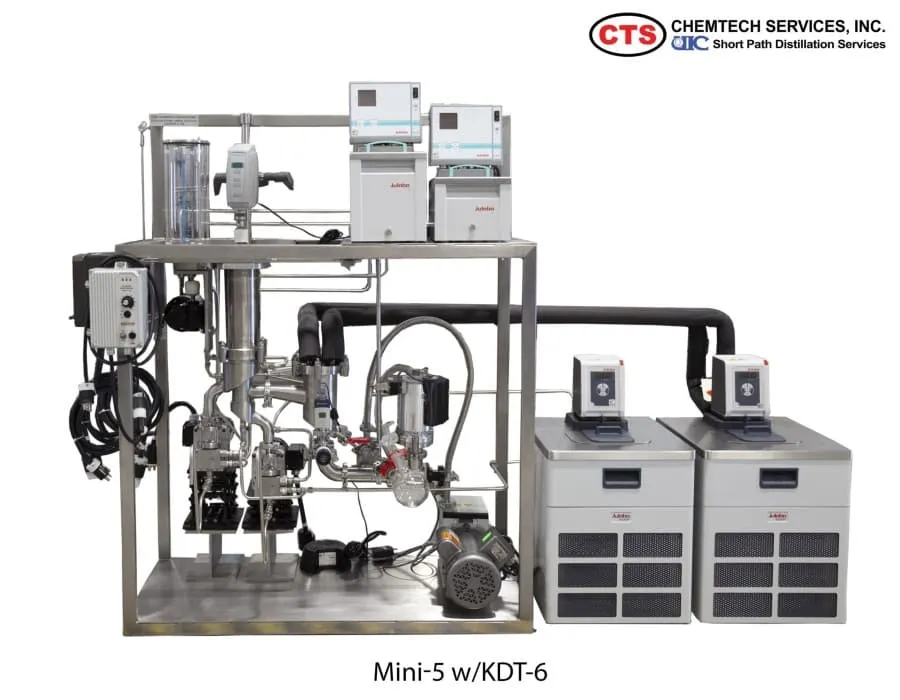
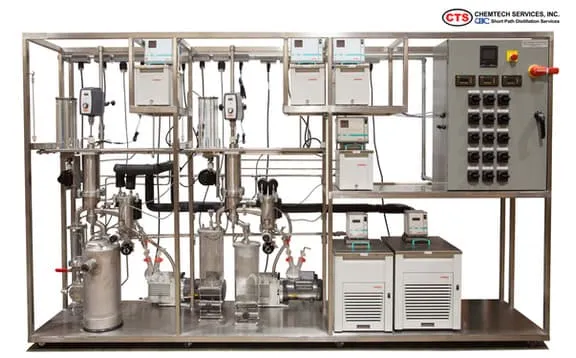
Manufacturers continue searching for practical strategies that reduce expenses while maintaining exceptional product quality and operational flexibility. Outsourcing specialized purification processes provides significant advantages through lower capital investment, reduced operating costs, improved production efficiency, and access to advanced technical expertise. As industries become increasingly competitive, this approach supports sustainable growth while allowing organizations to concentrate on their core strengths. Businesses seeking dependable processing solutions can benefit from the expertise and capabilities offered by Chemtech Services, Inc, helping them achieve efficient manufacturing and long term operational success.























Sign in to leave a comment.