

In today’s fast-paced healthcare environment, physicians and other providers face a growing challenge — balancing quality patient interaction with the increasing demands of electronic health record (EHR) documentation. This balancing act often leads to less eye contact, rushed conversations, and patients feeling unheard.
Virtual medical scribes have emerged as a powerful solution, enabling providers to focus on meaningful patient interactions without sacrificing documentation quality.
The Documentation Dilemma in Modern Healthcare
The adoption of EHR systems has brought benefits like improved data storage and easier access to patient histories, but it has also created a heavy documentation workload. In a typical visit, providers may spend as much as half their time entering data, switching screens, and clicking through drop-down menus — all while trying to maintain patient engagement.
When a provider’s attention is split between the computer and the patient, the quality of the conversation and the overall patient experience can suffer.
What Is a Virtual Medical Scribe?
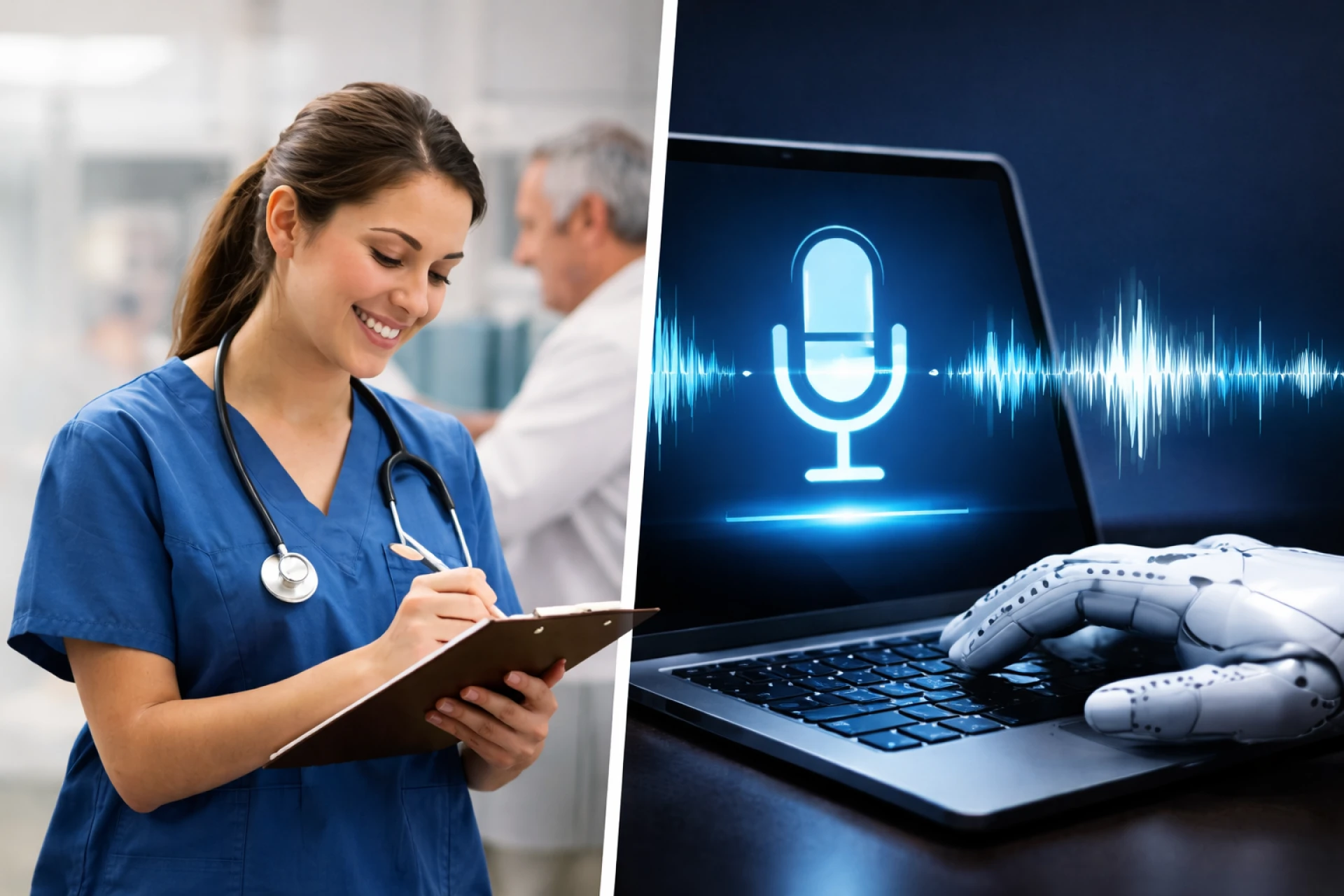
A virtual medical scribe is a trained professional who works remotely to document patient encounters in real-time. Connected via secure audio or video, the scribe listens during appointments and enters all relevant information directly into the EHR. This allows the provider to focus solely on the patient, knowing that the documentation is being handled accurately.
Ways Virtual Medical Scribes Improve Patient-Provider Interaction
1. Restoring Eye Contact and Personal Connection
When providers no longer need to look down at a keyboard or switch between screens, they can maintain consistent eye contact. This helps patients feel heard, valued, and respected
.
2. Allowing More Time for Active Listening
Without the distraction of typing notes, providers can focus on listening attentively, asking follow-up questions, and ensuring they fully understand the patient’s concerns.
3. Reducing Appointment Rushing
Virtual scribes free up providers from post-visit charting, meaning there’s less pressure to cut visits short to catch up on paperwork. This leads to more thorough discussions and better patient engagement.
4. Supporting More Natural Conversations
With the medical scribe handling the data entry, providers can have more free-flowing, patient-centered conversations without worrying about missing important details in the chart.
5. Enhancing Patient Trust and Satisfaction
When patients see their provider giving them undivided attention, trust grows. This often leads to higher satisfaction scores, better adherence to treatment plans, and improved health outcomes.
The Ripple Effect on Healthcare Quality
Better patient-provider interactions don’t just improve the experience — they can also improve care quality. Patients are more likely to share important details when they feel comfortable, leading to more accurate diagnoses and effective treatment plans.
Additionally, the reduction in provider burnout from less after-hours charting means patients get care from more energized, engaged clinicians.
A Win-Win for Providers and Patients
Virtual medical scribes are not just about reducing workload — they are about restoring the human side of healthcare. By removing the EHR as a barrier, providers can give their full attention to the patient in front of them, building stronger relationships and delivering better care.
Conclusion
In an age where technology often competes for attention, virtual medical scribes serve as a bridge between digital efficiency and human connection. They allow providers to be fully present, patients to feel truly heard, and healthcare systems to function more effectively. For practices seeking to enhance patient engagement without compromising documentation, virtual scribing is proving to be an invaluable investment.




























Sign in to leave a comment.