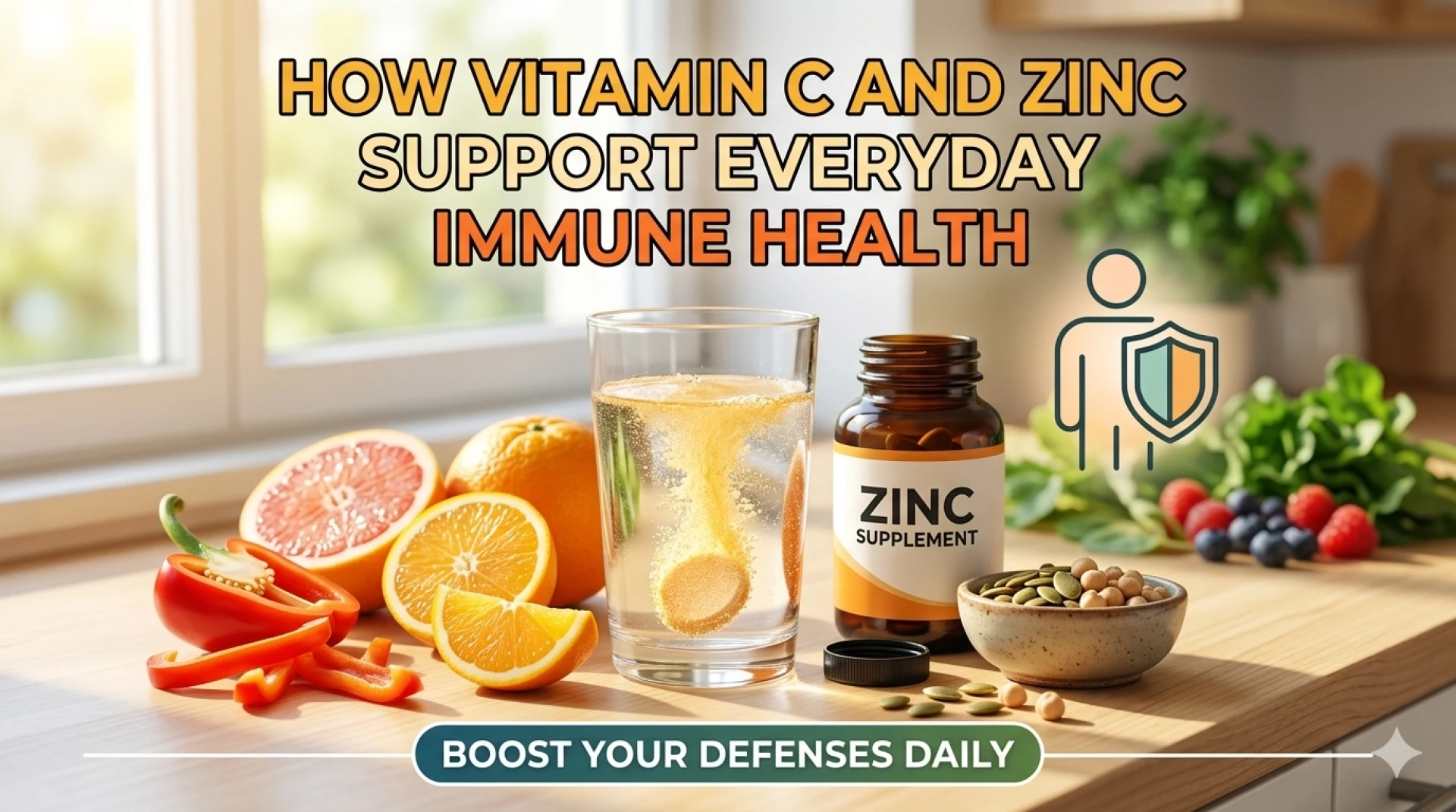

Your immune system is like a security team working around the clock to protect your body. Every day, it encounters countless bacteria, viruses, and environmental stressors. Most of the time, you never notice these invisible battles happening inside you. But when your immune system feels overwhelmed, you may start experiencing symptoms such as fatigue, frequent colds, or longer recovery times.
This is where nutrition becomes incredibly important. The immune system relies on a steady supply of essential nutrients to function effectively. Vitamins, minerals, and antioxidants help immune cells communicate, respond quickly to threats, and repair damaged tissues. Among these nutrients, vitamin C and zinc are two of the most widely recognized for supporting immune health.
Research suggests that vitamin C helps strengthen immune cell function and protects cells from oxidative stress, while zinc plays a role in immune cell development and wound healing. When used together, these nutrients may complement each other and support a healthy immune response.
Supplements such as Herbs Of Gold Cold & Flu Strike, Herbs Of Gold Zinc Forte + C Oral Powder Raspberry, Thompson's Garlic Perles, and Melrose Vitamin C Ascorbic Acid Oral Powder offer different ways to support everyday immune wellness. Let’s explore how these nutrients work and how these products can fit into a balanced wellness routine.
Understanding the Immune System and Why Nutrients Matter
The immune system is a complex network of cells, tissues, and organs that work together to protect the body. Think of it as a defense army that identifies potential threats and responds quickly to eliminate them.
This system depends heavily on nutrients. Without sufficient vitamins and minerals, immune cells may not function optimally. Nutrients help immune cells grow, communicate, and respond to infections or environmental stress.
The Role of Vitamins and Minerals in Immune Defense
Every immune response involves a series of coordinated processes. White blood cells identify harmful pathogens, chemical signals trigger inflammation, and antibodies help neutralize threats. Vitamins and minerals support each stage of this process.
Vitamin C, for instance, helps support the activity of white blood cells and acts as an antioxidant, protecting cells from damage caused by free radicals. Zinc, on the other hand, contributes to immune cell development and helps maintain the body’s natural defense barriers such as skin and mucous membranes.
Together, these nutrients act like maintenance tools that help keep the immune system functioning smoothly.
Why Modern Lifestyles Can Impact Immunity
Despite living in a world with abundant food choices, many people may not always meet their nutritional needs. Busy schedules, stress, irregular sleep patterns, and processed diets can all influence overall wellness.
Environmental factors also play a role. Seasonal changes, increased travel, and exposure to crowded spaces can challenge the immune system. During these times, ensuring adequate intake of immune-supportive nutrients becomes especially important.
This is why many people consider supplements as part of their wellness routine—to help support nutritional balance alongside healthy eating.
Vitamin C – The Classic Immune Support Nutrient
Vitamin C has long been associated with immune support. It’s one of the most widely researched vitamins when it comes to immune health.
Unlike some nutrients that the body can store, vitamin C must be consumed regularly through diet or supplementation.
How Vitamin C Supports Immune Cells
Vitamin C contributes to the production and function of white blood cells, which are essential for defending the body against infections. These immune cells help detect and eliminate pathogens such as bacteria and viruses.
Additionally, vitamin C supports the body’s natural barriers, including skin and connective tissue. These barriers act as the first line of defense against harmful microbes.
Antioxidant Protection and Cellular Health
One of vitamin C’s most important roles is its antioxidant activity. Antioxidants help neutralize free radicals—unstable molecules that can damage cells and contribute to inflammation.
By reducing oxidative stress, vitamin C helps maintain cellular health and supports the immune system’s ability to respond efficiently.
Zinc – A Key Mineral for Immune Function
While vitamin C often receives the spotlight, zinc is equally important for immune health. Even though the body only needs small amounts, zinc participates in numerous biological processes.
Zinc’s Role in Immune Cell Development
Zinc supports the development and communication of immune cells. Without sufficient zinc levels, immune responses may become slower or less effective.
It also helps maintain the integrity of the body’s protective barriers, including skin and mucous membranes.
Zinc and Cold Duration Support
Research suggests that zinc may help support recovery during periods of immune stress, particularly when taken early during a cold. Zinc contributes to immune responses and may influence how the body responds to respiratory infections.
Because of these benefits, zinc is frequently included in immune-support supplements alongside vitamin C.
Why Vitamin C and Zinc Work Well Together
When it comes to immune health, nutrients rarely work alone. They often support each other’s functions in the body.
Vitamin C protects immune cells from oxidative damage, while zinc supports their development and communication. When combined, these nutrients provide complementary support for immune function.
This is why many immune supplements include both ingredients in the same formula. Together, they may help maintain immune resilience during periods of increased physical or environmental stress.
Herbs Of Gold Cold & Flu Strike – Herbal and Nutritional Immune Support
Some immune supplements combine vitamins with traditional herbal extracts to provide broader support. Herbs Of Gold Cold & Flu Strike is one such example.
This formula includes vitamin C and zinc along with herbal ingredients such as andrographis, echinacea, and elderberry.
Key Ingredients and Their Benefits
Each tablet typically contains:
- Vitamin C
- Zinc
- Andrographis extract
- Echinacea
- Elderberry
Andrographis has traditionally been used to help relieve symptoms of the common cold and support recovery. Echinacea is another herb often used in Western herbal medicine for immune support. Elderberry provides antioxidant compounds that may complement immune health.
Together, these ingredients create a multi-ingredient formula designed to support the body during seasonal challenges.
Herbs Of Gold Zinc Forte + C Oral Powder Raspberry – Daily Immune Convenience
Powder supplements have become increasingly popular because they are easy to mix into water and convenient to consume.
Herbs Of Gold Zinc Forte + C Oral Powder Raspberry combines zinc and vitamin C in a flavored powder format. This allows users to support their daily nutrient intake while enjoying a refreshing drink.
Combining Zinc and Vitamin C in One Formula
This type of supplement is designed for individuals who prefer alternatives to tablets or capsules. It also offers flexible dosing, as the powder can be mixed with water to create a drinkable immune support formula.
The combination of zinc and vitamin C provides antioxidant support while contributing to normal immune function.
Thompson's Garlic Perles – Traditional Immune Support
Garlic has been used in traditional medicine for centuries. Many cultures have relied on garlic for its potential antimicrobial and immune-supportive properties.
Thompson's Garlic Perles offers a convenient way to consume garlic extract in a capsule format without the strong taste of raw garlic.
Garlic and Natural Antimicrobial Properties
Garlic contains compounds such as allicin, which have been studied for their antimicrobial and antioxidant properties. These compounds may help support the body’s natural defenses.
Garlic supplements are often used alongside vitamins and minerals as part of a holistic wellness routine.
Melrose Vitamin C Ascorbic Acid Oral Powder – High Strength Vitamin C
For individuals looking for flexible vitamin C supplementation, Melrose Vitamin C Ascorbic Acid Oral Powder provides a simple option.
Powder supplements allow users to adjust serving sizes and mix vitamin C into water or beverages.
Flexible Vitamin C Supplementation
This type of vitamin C powder is often used by people who want a high-strength vitamin C source without swallowing tablets.
Because vitamin C is water-soluble, the body absorbs what it needs and excretes the excess through urine. Regular intake through food or supplements helps maintain consistent levels.
How These Supplements Fit Into a Daily Wellness Routine
Supplements work best when combined with healthy lifestyle habits. Nutrition, sleep, hydration, and stress management all contribute to immune health.
A balanced routine might include:
- Eating fruits and vegetables rich in vitamins and antioxidants
- Staying physically active
- Maintaining consistent sleep patterns
- Managing stress through relaxation practices
Supplements can help fill nutritional gaps and support overall wellness.
Comparing Key Immune Support Supplements
| Supplement | Key Ingredients | Main Support |
|---|---|---|
| Herbs Of Gold Cold & Flu Strike | Vitamin C, Zinc, Andrographis, Echinacea, Elderberry | Seasonal immune support |
| Herbs Of Gold Zinc Forte + C Powder | Zinc + Vitamin C | Daily immune support |
| Thompson's Garlic Perles | Garlic extract | Traditional immune support |
| Melrose Vitamin C Powder | Vitamin C (ascorbic acid) | Antioxidant & immune support |
Each supplement offers a different approach to supporting immune health.
Conclusion
Supporting everyday immune health doesn’t rely on a single nutrient or supplement. Instead, it involves a combination of healthy habits, balanced nutrition, and targeted support when needed.
Vitamin C and zinc remain two of the most recognized nutrients for immune wellness. Vitamin C helps protect cells from oxidative stress and supports white blood cell function, while zinc contributes to immune cell development and communication.
Supplements such as Herbs Of Gold Cold & Flu Strike, Herbs Of Gold Zinc Forte + C Oral Powder Raspberry, Thompson's Garlic Perles, and Melrose Vitamin C Ascorbic Acid Oral Powder provide different ways to incorporate these nutrients into a wellness routine.
When paired with healthy lifestyle choices, these supplements may help support the body’s natural defenses and maintain everyday wellbeing.
FAQs
1. Can vitamin C help support immune health?
Vitamin C contributes to immune cell function and helps protect cells from oxidative stress, which supports overall immune health.
2. Why is zinc important for immunity?
Zinc supports immune cell development and communication, helping the body respond to environmental stressors.
3. Can vitamin C and zinc be taken together?
Yes, these nutrients are often combined in supplements because they support complementary aspects of immune function.
4. Are herbal ingredients useful for immune support?
Herbal ingredients such as echinacea, elderberry, and garlic have traditionally been used to support immune health.
5. Should supplements replace a healthy diet?
No. Supplements are designed to complement a balanced diet and healthy lifestyle, not replace them.































Sign in to leave a comment.