

87% of companies worldwide use AI in their recruitment process.
Recruitment is the most time-consuming process for HR professionals. Hiring managers go through hundreds of resumes, handle the interview processes, and face the risk of bias creeping into decisions.
You can reduce this time by using voice AI. Voice AI helps with conducting first-round interviews, evaluating candidate communication styles, and improving the overall hiring process.
This article analyzes the impact of voice AI on hiring and the seven ways it is revolutionizing the recruitment process in 2025.
By the end, you will understand how AI-driven tools can make your recruitment process more efficient and data-driven.
Impact of Voice AI on Recruitment
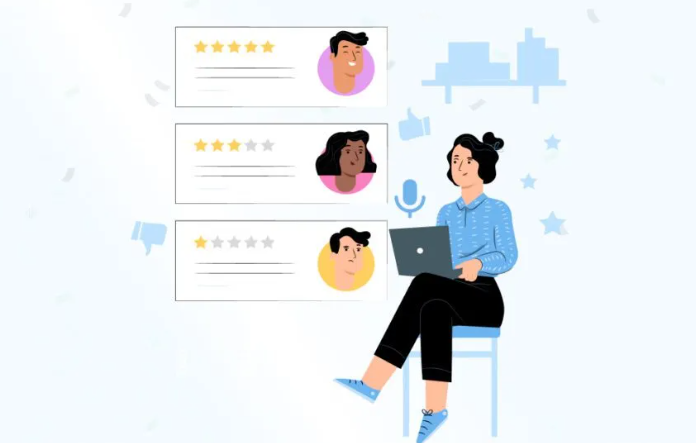
Voice AI is a technology that processes, interprets, and responds to human language. In recruitment, it is used to automate interview questions, assess communication skills, and improve candidate engagement.
The impacts of using this technology are:
- Time efficiency
Organizations that utilize this technology find that the hiring time is drastically reduced.
For example, Unilever used an AI-powered video interview and automated screening platform to process 250,000 applications. The system assessed candidates’ communication, problem-solving, cultural fit, and technical skills, which reduced the hiring time.
- Improved quality of hire
AI-supported screening improves the quality of hiring people.
For example, Hilton used AI to screen thousands of applicants for customer service roles. Recruiters selected the ideal candidate based on job requirements and skills. It reduced the turnover in the first six months of employment.
- Bias reduction
HR is human, and at times, they may get biased in any of the hiring stages. This bias may lead to wrong or unfair decisions. Unlike this, AI is strategic and data-oriented. It takes the right decisions objectively without any bias.
- Improved candidate experience
With voice AI, candidates get instant feedback on whether the company wants to move forward with them or not. Traditionally, candidates waited for HR to respond. Sometimes recruiters replied, but often they never called candidates back. But with Voice AI, this problem is solved.
Recruitment professionals need a voice AI tool for their growth. These developments also reflect broader AI hiring trends in 2026, where advanced analytics and automation are expected to dominate HR technology strategies.
7 Ways Voice AI is Revolutionizing the Recruitment Process in 2025
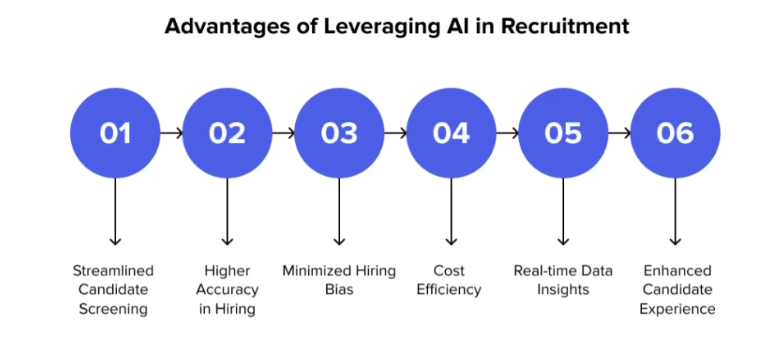
Recruitment these days is marked by rising candidate expectations, and organizations are under pressure to find, assess, and onboard top talent faster.
Voice AI is transforming these repetitive processes and helping find the best talent.
Let us see what recruitment automation with AI in 2025 looks like.
Automating initial candidate screenings
HR professionals spend hours screening resumes, then calling everyone, and asking questions about their experience, knowledge, skills, and interests.
With voice AI, this process becomes automated. AI-driven voice systems interact with candidates, ask structured questions, capture responses, and generate reports for recruiters.
Consider a retail company hiring for seasonal roles using voice AI. Instead of making hundreds of calls and sharing assignments, candidates receive a link to complete a 10-minute voice AI screening. Within hours, the system delivered a summary showing which candidates performed well.
Assessing communication and soft skills
Evaluating people's soft skills is more difficult than identifying their technical skills. AI analyzes the tone, clarity, and confidence to determine the soft skills of a candidate. It identifies candidates with strong communication skills by finding speech patterns, pace, tone modulation, and word choice.
For example, a healthcare provider is looking for empathetic call center staff by deploying voice AI to detect stress management skills and the patience of candidates during stressful situations.
With this, recruiters shortlist candidates with the right emotional intelligence before scheduling in-person interviews.
Improving candidate experience with instant feedback
After giving an interview or submitting the assignment, candidates have to wait for days to hear whether the company wants to move forward with them. But, with voice AI, candidates get instant real time feedback about either the next process or if they are not selected.
Example: A tech firm used voice AI in the recruitment of fresh graduates. After candidates completed the first round, the company gave them detailed feedback within 24 hours explaining why they were or weren’t selected.
Reducing bias in early screening
Bias in hiring has existed for a long time. Phone screening processes can get biased because of the tone, voice, style, gender, or subconscious recruiter preferences.
Voice AI asks identical questions and evaluates responses objectively using pre-defined criteria to standardize the process.
Take this, for example. A fintech firm uses AI for initial screening. It gives equal opportunity to all candidates so that the company hires real talent rather than fake ones.
Scaling recruitment for high-volume hiring
In industries such as hospitality and logistics, there is an ongoing demand for workers due to the nature of their business operations.
Voice AI automates this task by screening all the applicants and shortlisting the best candidates according to the requirements of the organization.
For example, an e-commerce business uses voice AI to handle thousands of applications during the peak recruitment season within a single week. The company’s voice AI processed applications, conducted interviews, and delivered top candidate lists within days.
Supporting multilingual and global recruitment
Many companies require hiring candidates from another country. A company from the US might need a customer care representative from Brazil. In such cases, neither the recruiter nor anyone else at the company may speak the candidate’s native language.
But with voice AI, this is sorted. Recruiters can shortlist and hire candidates based on their performance and AI’s evaluation.
Streamlining onboarding with voice AI assistants
After selecting a candidate, onboarding them is an important step. Voice AI assistants guide new hires through paperwork, answer HR questions, and schedule training sessions. This approach ensures employees feel supported from day one and reduces HR workload.
For example, a tech startup with a voice AI-based onboarding technology answers questions like, “How do I enroll in benefits?” or “When is my first training session?” The system provides instant answers. This helps employees to adapt quickly to the company’s culture.
This way, recruitment automation with AI is transforming the industry at every stage.
Challenges and Ethical Concerns of Using AI in Recruitment
Voice AI is synonymous with efficiency and scalability, but it's equally important to recognize the challenges organizations may face when implementing it.
- Candidate trust and comfort
Some candidates may feel uneasy being interviewed by AI because they may worry that a machine might not capture their true potential.
Clear communication from recruiters early on can help build trust.
- Data privacy and security
Voice interviews create sensitive recordings.
Companies must encrypt them and comply with GDPR to protect candidate data.
- Technical limitations
Heavy accents, background noise, or speech impairments can affect AI accuracy.
Recruiters should set proper checks so that the system doesn’t unfairly filter out capable candidates.
- Over-reliance on automation
AI should assist, not replace, human decision-making. A balanced approach ensures efficiency without losing the human touch in recruitment.
Addressing these issues is important to ensure the recruitment process is executed without any problems. Ensure you have a proper technical team so they can build a system that has fewer errors. Also, make sure that you provide proper support when the candidates need it.
Case Study: How Voice AI Transforms Recruitment Operations
The Company
A finance/accounting and engineering staffing firm based in the Northeastern United States used voice AI in recruitment.
The Problem
The staffing firm faced significant challenges:
- Recruiters were spending excessive time conducting repetitive candidate screenings.
- Despite having thousands of contacts in their ATS (Applicant Tracking System), culling candidates manually was slow, expensive, and inefficient.
- Recruiters needed up to four weeks to fill roles, making recruitment cycles long.
- Recruiters engaged candidates inconsistently, which caused missed opportunities and outdated databases.
- Hiring additional recruiters increased costs without guaranteeing efficiency.
The Solution
The firm deployed a voice AI platform, which was fully set up in five days. The firm integrated the system seamlessly with the ATS, and it delivered:
- Human-like conversations with candidates, capable of handling multiple industries (from entry-level to doctors and IT VPs).
- AI-powered screenings that dynamically adapt to candidate responses, accents, and background noise.
- Automation of outreach through calls, voicemails, emails, and text.
- Real-time summaries for recruiters, freeing them to focus on relationship building and deal closing.
- Database updates to ensure profiles stayed current for future opportunities.
The Impact
The firm achieved:
- 2,000 candidates sourced in just seven days.
- 455 candidates engaged in real conversations.
- Recruiters completed 10 successful placements in a week, a process that normally took four weeks.
- Revenue impact: Over $215,000 added to the topline.
Redefine Recruitment With Voice AI
Voice AI is transforming the way the recruitment industry works. It speeds up hiring by automating processes like repetitive screening, reducing bias, and improving candidate satisfaction. As a result, recruiters get more time to focus on strategic decision-making.
Recruitment automation with AI has made many things possible. As we look forward, integrating talent acquisition agents like voice AI will be central to modern hiring strategies. It will make recruitment more intelligent, inclusive, and scalable.



Sign in to leave a comment.