
Air conditioners have become an essential part of modern homes, especially during hot summers. However, one common problem that many homeowners overlook is voltage fluctuation. Frequent voltage ups and downs can silently damage your AC and reduce its lifespan. Understanding how this happens—and how to prevent it—can save you from costly repairs and replacements.
What Are Voltage Fluctuations?
Voltage fluctuation occurs when the electrical supply rises above or falls below the standard voltage level required by your air conditioner. In many areas, especially during peak summer months or heavy electricity usage, power supply becomes unstable. This instability can negatively affect sensitive electronic components inside your AC.
Even modern air conditioners with built-in protection systems are not completely safe from frequent voltage changes.
How Voltage Fluctuations Damage Your Air Conditioner
Voltage fluctuations can harm your AC in several ways. Let’s understand the major risks:
1. Compressor Damage
The compressor is the most important and expensive part of an air conditioner. Sudden voltage spikes can overload the compressor motor, causing overheating or permanent failure. Low voltage can also force the compressor to work harder than normal, reducing efficiency and lifespan.
2. PCB Circuit Failure
Modern air conditioners rely on printed circuit boards (PCBs) to control operations. These circuits are highly sensitive to voltage changes. Frequent fluctuations can damage these electronic parts, leading to unexpected shutdowns or expensive repairs.
3. Reduced Cooling Performance
When voltage supply is unstable, your AC cannot operate at its optimal capacity. This leads to weaker cooling performance and increased electricity consumption.
4. Increased Maintenance Costs
Repeated exposure to unstable voltage can wear down internal components faster. Over time, this results in frequent servicing and replacement costs that could easily be avoided.
Signs Your AC Is Affected by Voltage Fluctuations
You should watch for these warning signs:
- AC turns on and off automatically
- Unusual noises from the compressor
- Poor cooling performance
- Frequent tripping of the circuit breaker
- Display panel errors
If you notice these issues regularly, your AC may be suffering from unstable power supply.
How to Prevent Voltage Fluctuation Damage
Fortunately, protecting your air conditioner is simple if you take the right steps.
Install a Reliable Stabilizer
The most effective solution is installing a high-quality voltage stabilizer designed specifically for air conditioners. A stabilizer controls incoming voltage and ensures your AC receives a steady power supply at all times.
For example, using an AC Stabilizer for 1.5 ton air conditioners is highly recommended if your home experiences frequent power variations. It protects internal components and improves long-term performance.
Choose the Right Stabilizer Capacity
Selecting the correct stabilizer size is very important. A stabilizer for 1.5 ton ac is specially designed to handle the load requirements of mid-capacity air conditioners and ensures safe operation even during voltage drops or spikes.
Using the correct capacity stabilizer prevents overload and improves energy efficiency.
Use a Trusted Stabilizer Brand
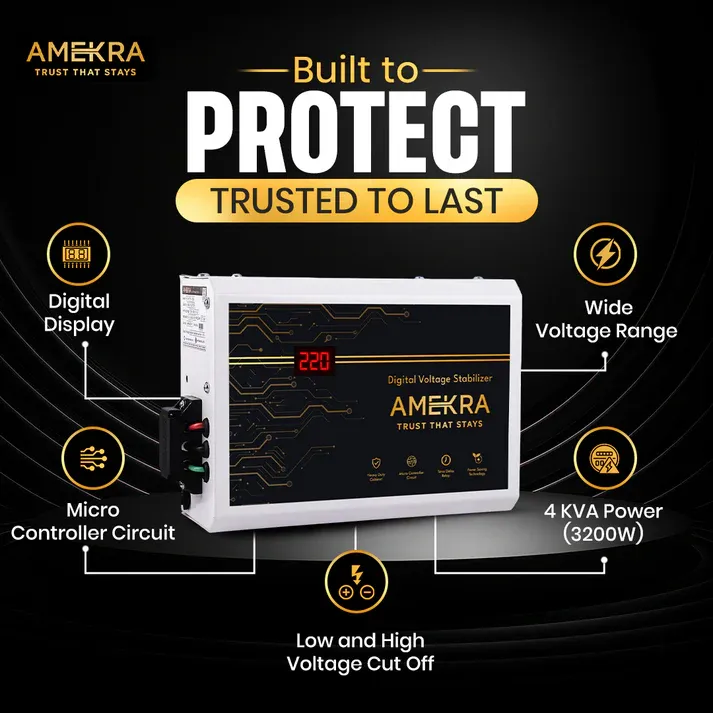
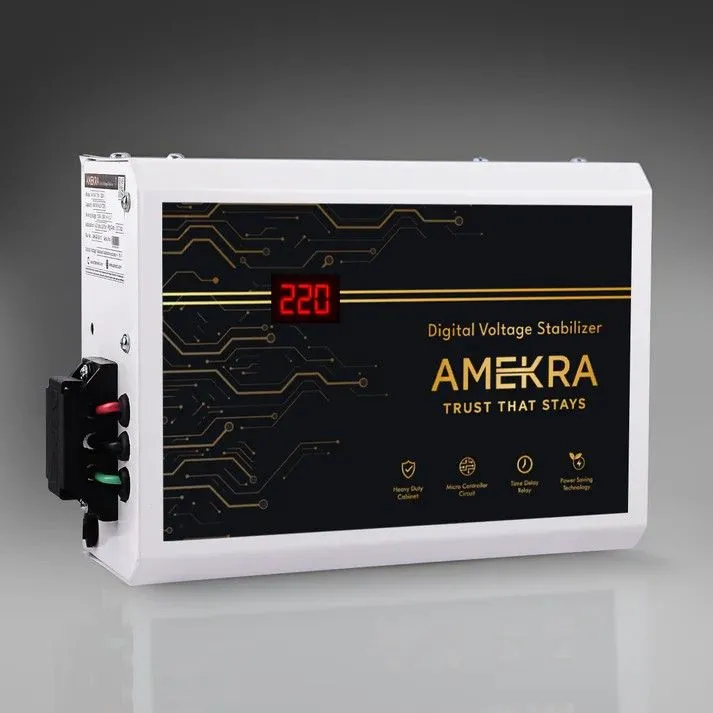
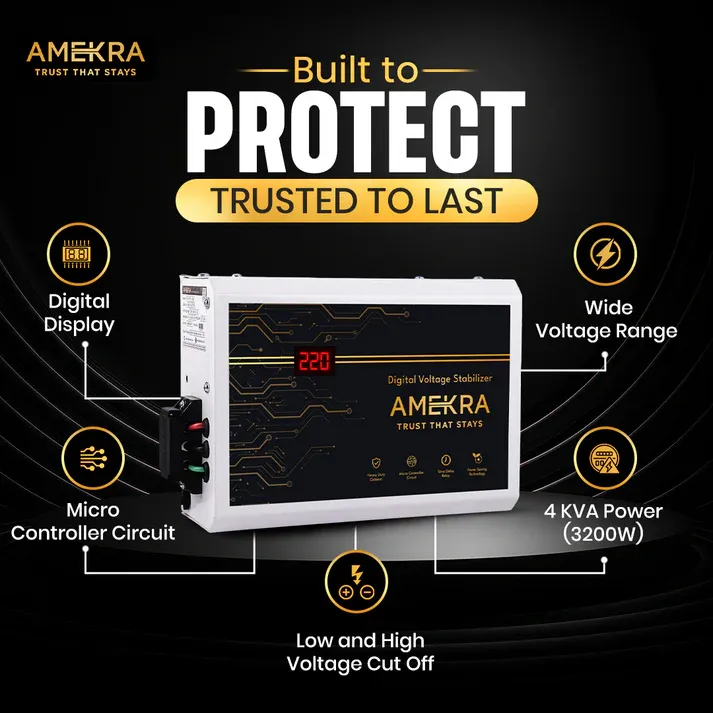
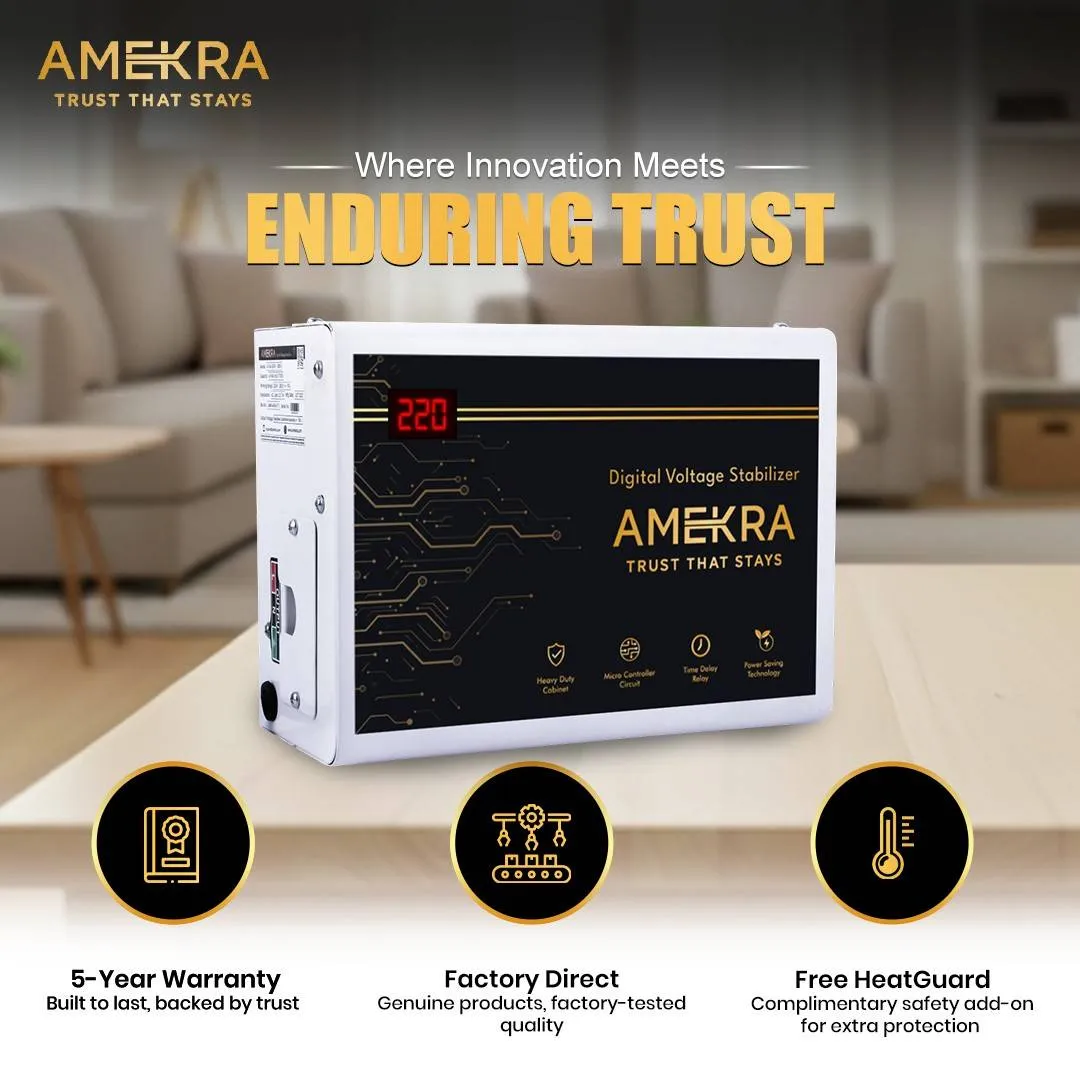
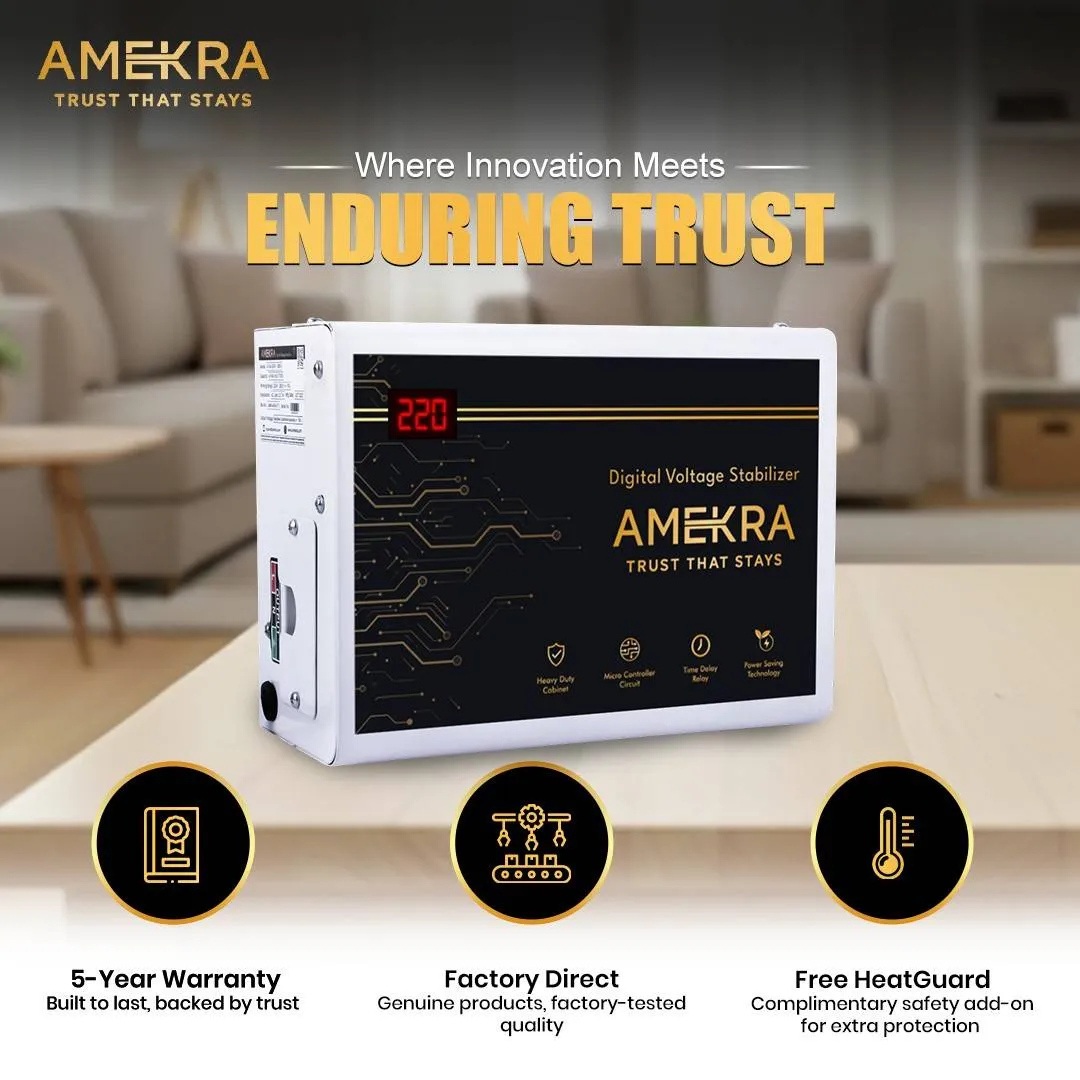
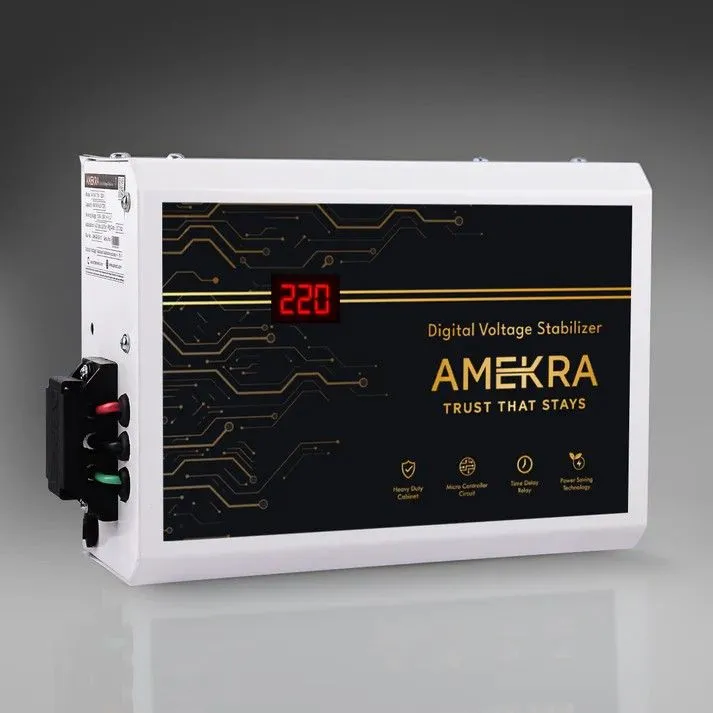
Investing in a reliable product makes a big difference. A quality option like an Amekra Stabilizer provides consistent voltage regulation, safety protection features, and long-term reliability for your air conditioner.
Such stabilizers are designed to handle common voltage fluctuation issues found in many households.
Schedule Regular AC Maintenance
Routine servicing helps detect early signs of electrical damage. Technicians can identify voltage-related stress on components before major failures occur.
Regular maintenance improves cooling efficiency and extends the lifespan of your air conditioner.
Final Thoughts
Voltage fluctuations are one of the most common yet ignored threats to air conditioners. They can damage compressors, affect cooling performance, and increase maintenance expenses over time. The good news is that simple preventive steps—like installing the right stabilizer and maintaining your AC regularly—can protect your investment and ensure smooth operation for years.
Choosing the right protection solution today can save you from expensive repairs tomorrow.



























Sign in to leave a comment.