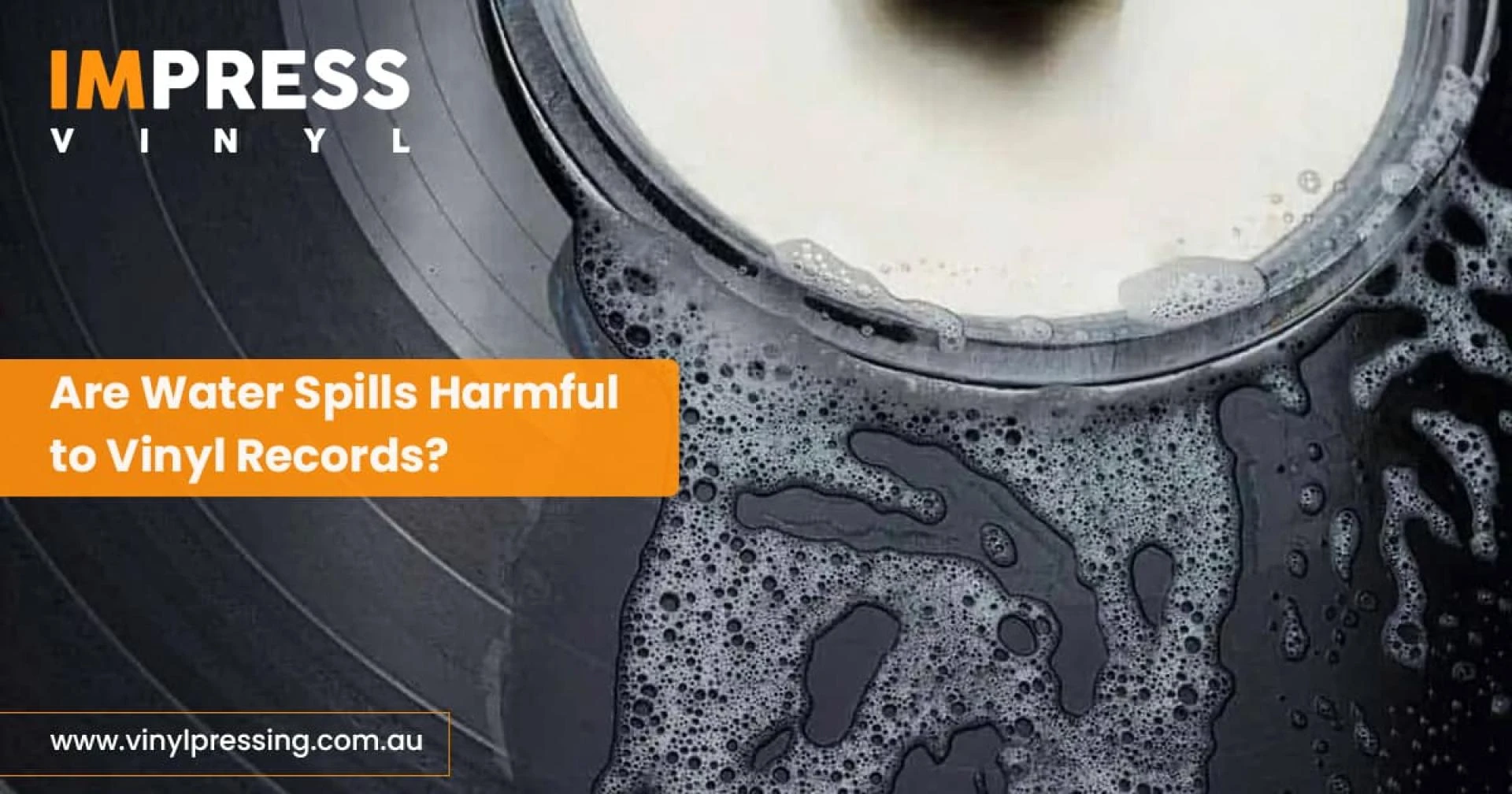

SFor any vinyl enthusiast, the sight of a spilled drink near their precious record collection is enough to strike fear into their hearts. Water and vinyl are sworn enemies, and even a small spill can cause significant damage to your beloved LPs. But before you resign yourself to a chorus of skips and crackles, there is hope! With quick thinking and the right knowledge, you might be able to salvage your waterlogged records.
How Water Wrecks Your Records
When water comes into contact with vinyl, it can cause a multitude of problems:
Warping: Water can cause the record to warp, making it unplayable on your turntable. The severity of the warping depends on the amount of water absorbed and the temperature changes it experiences during drying.Label damage: The paper label on your record can become wrinkled, stained, or even detach completely if exposed to water. This can not only make your record look unsightly but also make it difficult to identify.Groove damage: Water can carry dirt and debris into the delicate grooves of your record, leading to pops, clicks, and skips during playback. In severe cases, the water itself can etch the grooves, causing permanent damage.Mold growth: If your wet record is not dried properly, mold can start to grow on the surface. This not only looks and smells unpleasant but can also release harmful spores into the air.Emergency اقدامات: Act Fast to Minimize the Damage
The key to salvaging a water-damaged record is to act quickly and decisively. Here's what you should do as soon as the spill happens:
Remove the record from the water source: The longer the record is submerged, the worse the damage will be. So, the first step is to carefully remove it from the spill.Blot the record dry with a clean, lint-free cloth: Don't rub the record, as this can spread the water and damage the grooves further. Instead, gently blot the surface with a microfiber cloth or absorbent paper towels.Stand the record on its edge to air dry: Don't lay the record flat, as this can trap water in the grooves and promote warping. Instead, stand it upright on its edge so that air can circulate freely around both sides.Use a fan to speed up the drying process: A gentle breeze from a fan can help to evaporate the water more quickly. However, avoid using high-powered fans or placing the record in direct sunlight, as this can warp the vinyl.Once the record is dry, clean the grooves: Use a soft brush or stylus cleaner to gently remove any dirt or debris that may have been carried into the grooves by the water.Restoration Techniques for Stubborn Cases
If your record is still skipping or crackling after drying, there are a few additional techniques you can try:
Wet cleaning: This involves using a special record cleaning solution and a microfiber cloth to remove deep-seated dirt and grime from the grooves. Be sure to use a cleaning solution specifically designed for vinyl records, as some household cleaners can damage the vinyl.Record weight: Placing a record weight on the center of your turntable platter can help to stabilize the warped record and improve playback.Professional restoration: In severe cases, you may need to take your record to a professional restoration service. They have specialized equipment and techniques that can repair extensive damage and make your record playable again.Prevention is Key: Keep Your Records Safe from Water
The best way to avoid water damage is to prevent it from happening in the first place. Here are a few tips:
Store your records in a cool, dry place: Avoid storing them in basements, attics, or near sources of heat or humidity.Keep your records clean: Dust your records regularly to prevent dirt and debris from building up in the grooves, which can attract moisture.Use inner sleeves: Inner sleeves help to protect your records from dust, scratches, and moisture.Be careful when handling your records: Always handle your records with clean, dry hands. Avoid touching the grooves directly, as this can transfer oils and dirt onto the surface.By following these tips, you can help to keep your vinyl records safe from water damage and enjoy them for years to come. Remember, even a small spill can cause significant damage, so it's important to act quickly and take the necessary steps to restore your records. With a little care and attention, you can keep your favorite LPs spinning for generations to come.
Source: Restore water damaged records























Sign in to leave a comment.