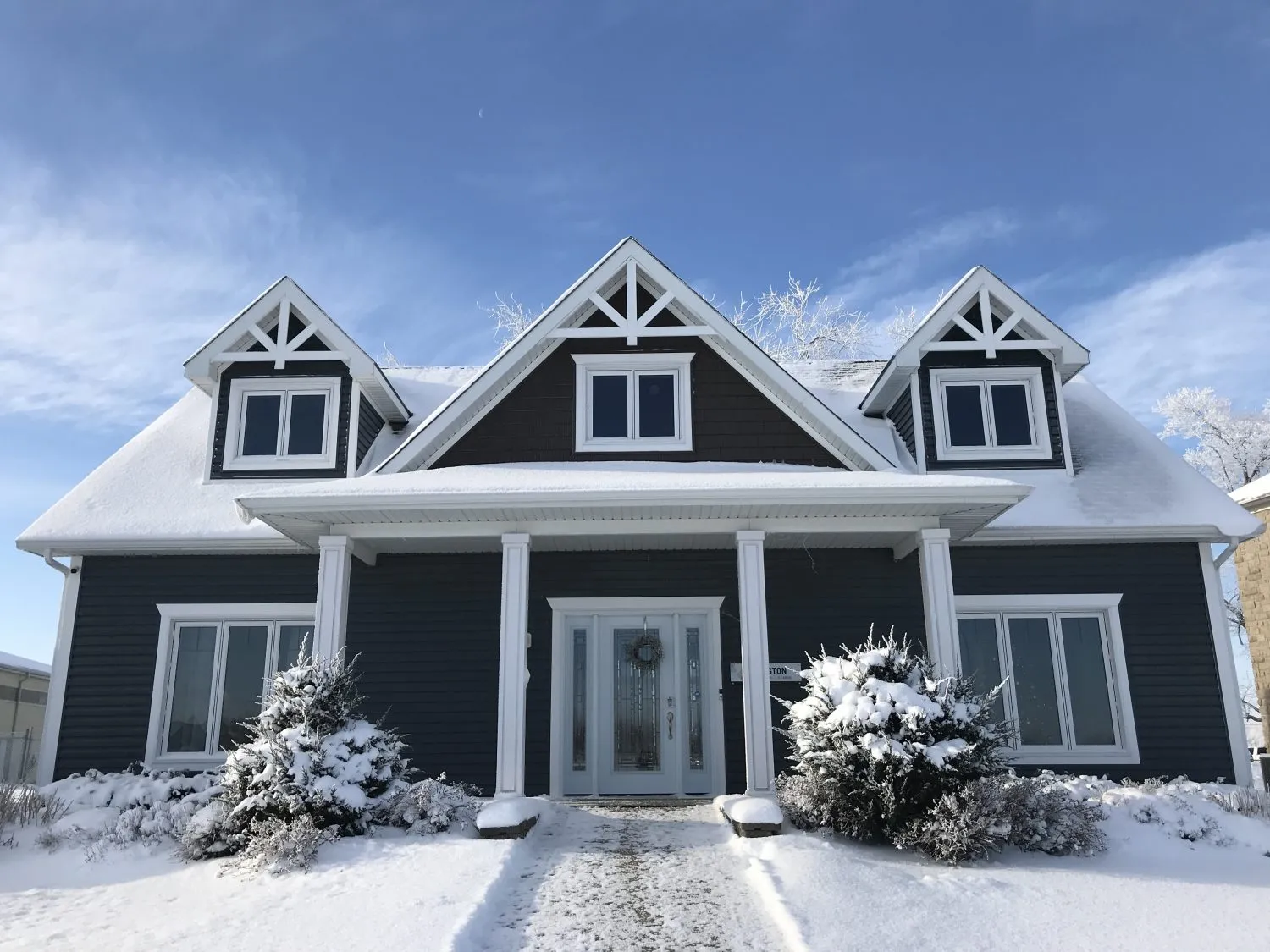

Have you ever noticed how your home feels different with every season? One day, everything looks perfect, and the next, you spot cracks on the wall, damp patches, or even a small leak. It’s not random that weather plays a bigger role in your home’s condition than you might think.
That’s why many homeowners today prefer consulting an experienced interior designer on KreateCube, who understands how weather conditions affect design, materials, and long-term durability.
Let’s walk through this together so you can understand what’s happening, and more importantly, what you should do about it.

☀️ Summer Heat: More Than Just Discomfort
When temperatures rise, your home expands; literally. Materials like wood, concrete, and metal react to heat, and over time, this can lead to cracks, warped furniture, or even weakened structures.
You might notice:
- Cracks in walls or ceilings
- Faded paint or furniture
- Higher indoor temperatures
What you can do:
Try using heat-resistant paints, install proper ventilation, and consider reflective roofing. Choosing the right roof for your home is especially important in hot climates, as it directly affects indoor comfort and long-term durability.
🌧️ Monsoon & Rain: The Silent Destroyer
Rain might feel refreshing, but for your home, it can be a serious problem. Water seeps into tiny cracks and slowly weakens your walls, ceilings, and foundation.
You may see:
- Damp walls (siilan)
- Mold and mildew
- Peeling paint
What you should do:
Waterproof your walls and roof before the rainy season. Make sure drainage systems are clear and working properly. Also, selecting the right types of roof materials, like waterproof shingles or treated concrete, can make a big difference in protecting your home.
❄️ Cold Weather & Snow: Hidden Damage You Can’t Ignore
Even if you don’t live in a snowy region, this is important, especially if you’re planning properties or working with clients in colder areas.
In places with heavy snowfall, roofs carry significant weight. When snow melts and refreezes, it can create cracks, leaks, and structural stress.
Here’s something many people overlook:
Homeowners in high-snow climates should plan a spring roof inspection. This step helps detect hidden damage caused during winter before it turns into a costly repair.
What you should check:
- Loose or damaged shingles
- Signs of water leakage
- Structural stress on the roof
This small step can save you from major expenses later.
🌬️ Wind & Storms: Sudden but Destructive
Strong winds and storms can damage your home instantly. From broken tiles to loosened fittings, the impact is often visible but sometimes hidden too.
Watch out for:
- Loose roof tiles
- Damaged windows
- Fallen debris
What you can do:
Secure outdoor furniture, regularly inspect roof fittings, and trim nearby trees. Prevention here is always better than repair.
🌫️ Humidity: The Invisible Enemy
Humidity doesn’t always show immediate damage, but over time, it can ruin your interiors.
You might notice:
- Sticky walls
- Musty smell
- Swollen wooden furniture
What helps:
Use dehumidifiers, improve ventilation, and choose moisture-resistant materials, especially in kitchens and bathrooms.
🏠 Planning Your Home the Right Way Matters
Weather impact isn’t just about maintenance; it actually starts with planning. A smart floor plan design ensures proper ventilation, sunlight control, and protection from harsh environmental conditions.
For example:
- Cross ventilation reduces humidity
- A proper roof slope prevents water accumulation
- Strategic window placement minimizes heat gain
This is where working with an experienced interior designer on KreateCube can make a real difference. They understand how to design homes that are not only beautiful but also weather-resistant.
🏠 Why Regular Home Inspection Matters
Here’s the truth:
Most weather-related damage doesn’t happen overnight; it builds up slowly.
That’s why regular inspections are so important. When you check your home seasonally, you catch problems early before they become expensive headaches.
💡 Smart Homeowners Think Ahead
Instead of reacting to damage, plan ahead:
- Inspect your home before every major season
- Choose the right materials for your climate
- Don’t ignore small signs like cracks or dampness
- Invest in the right roof for your home based on weather conditions
- Get expert advice when needed
Platforms like KreateCube can connect you with professionals who understand weather-based design challenges and solutions.
Final Thoughts
Your home is constantly exposed to nature; it faces heat, rain, wind, and sometimes even snow. But with the right approach, you can protect it and keep it looking beautiful for years.
And remember, long-term protection doesn’t just come from maintenance; it begins with thoughtful planning. A well-planned floor plan design, combined with the right materials and seasonal care, ensures your home stays strong, comfortable, and future-ready.
Think of it this way:
Your home takes care of you, so it deserves a little care in return.


























Sign in to leave a comment.