
North Lakes is known for its attractive parks, waterways, and family-friendly neighbourhoods. While the area's greenery adds to its appeal, periods of wet weather can also create ideal conditions for many common pests. Increased rainfall often leads to a rise in pest activity, leaving homeowners and businesses dealing with unwanted visitors.
Understanding how rain affects pest behaviour can help property owners recognise potential risks and arrange timely pest control North Lakes services when needed.
Why Rain Drives Pests Towards Homes
Heavy rainfall can significantly alter the environment where pests normally live. Many insects and rodents build nests underground, inside gardens, or within vegetation. When these areas become flooded or excessively damp, pests are forced to seek shelter elsewhere.
Residential properties often provide the dry, protected conditions that pests need. Roof spaces, wall cavities, garages, sheds, and storage areas become attractive hiding spots during wet periods.
As a result, North Lakes residents frequently notice increased pest activity following storms or prolonged rain.
Common Pests That Become More Active After Rain
Cockroaches
Cockroaches thrive in warm and humid conditions. Wet weather creates moisture-rich environments that support their survival and breeding.
After heavy rain, cockroaches often move indoors to escape saturated nesting areas. Kitchens, bathrooms, laundries, and drainage systems can become common entry points.
Ants
Ant colonies are highly sensitive to water levels. When nests become flooded, worker ants relocate their colony to higher ground.
This movement frequently leads ants into homes where they search for food and shelter. Increased ant trails around walls, patios, and kitchens are common after rain events.
Mosquitoes
Rainfall contributes directly to mosquito populations. Water that collects in gutters, garden containers, bird baths, and other outdoor areas creates breeding sites.
Even small amounts of standing water can support mosquito development, leading to increased activity around North Lakes properties.
Rodents
Rats and mice often seek dry shelter during wet weather. Flooded burrows and saturated vegetation can push rodents closer to residential and commercial buildings.
Once inside, rodents may nest in roof voids, wall cavities, and storage areas where food and water are readily available.
Spiders
Wet conditions can also affect spider activity. Increased insect populations provide more food sources, encouraging spiders to remain active around homes and gardens.
Property owners may notice more spider webs around outdoor structures and sheltered areas following extended rainfall.
How Moisture Creates Long-Term Pest Problems
Rain does more than simply displace pests. Ongoing moisture can create conditions that support continued infestations.
Damp timber, leaking roofs, blocked gutters, and poor drainage provide favourable environments for many pest species. Moisture can also encourage mould growth and attract insects that feed on decaying organic matter.
Properties with recurring water issues may experience ongoing pest activity even after rainfall has stopped.
Signs of Increased Pest Activity After Wet Weather
North Lakes residents should watch for signs that pests have become active around their property, including:
- Increased sightings of ants or cockroaches indoors
- Rodent noises in roof spaces
- Mosquito activity around outdoor entertaining areas
- Spider webs appearing more frequently
- Droppings, nesting materials, or unusual odours
- Pest activity near drains and gutters
Early identification allows issues to be addressed before populations grow.
The Importance of Professional Pest Management
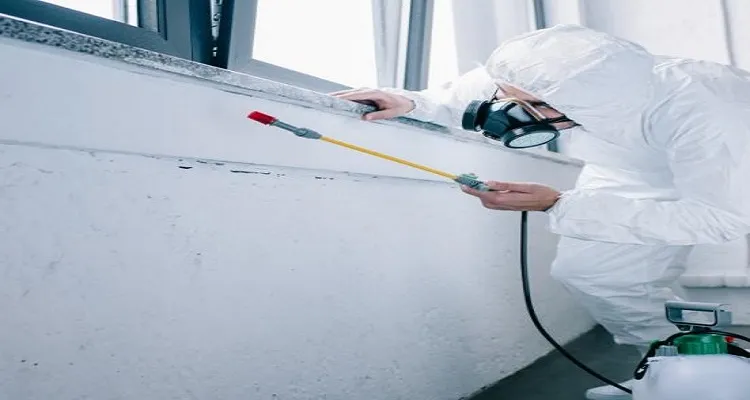
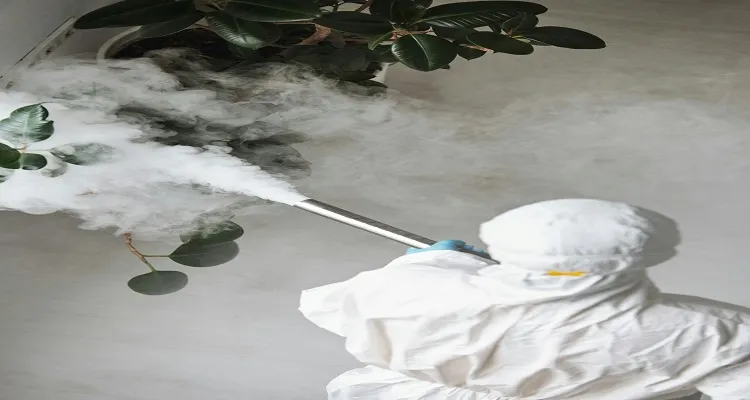
While some pest activity may seem minor initially, wet-weather infestations can develop quickly. Different pest species require different management approaches, and identifying the source of activity is often essential.
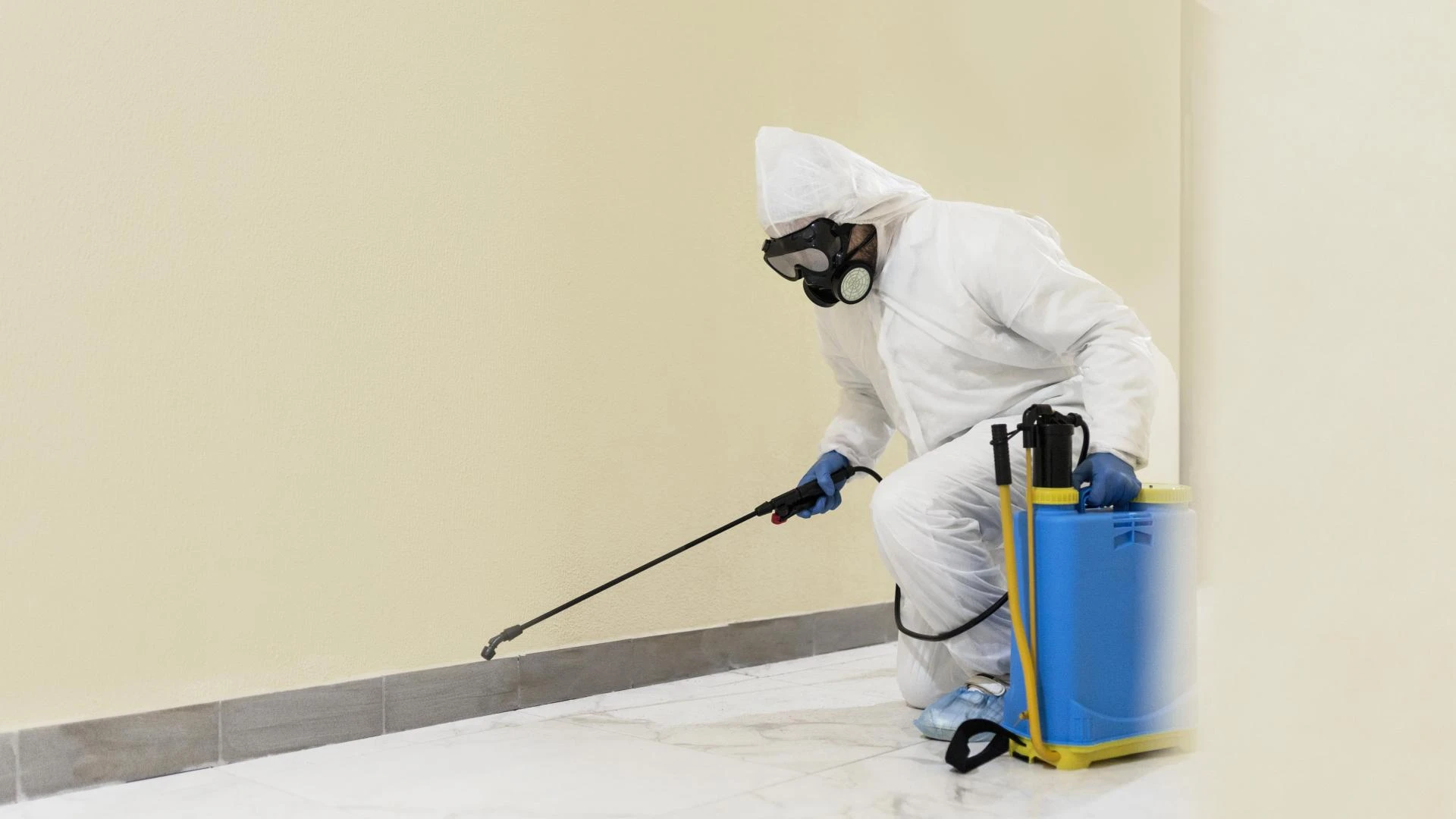
Professional pest control North Lakes specialists understand local pest behaviours and seasonal patterns. They can assess affected areas, identify entry points, and provide targeted solutions suited to the conditions around the property.
Regular inspections can also help detect developing issues before they become more difficult to manage.





















![Best Cloud Computing Courses & Certificates [2026]](/data/post/1865935/a3146442e219da996ed3b2fd.webp)








Sign in to leave a comment.