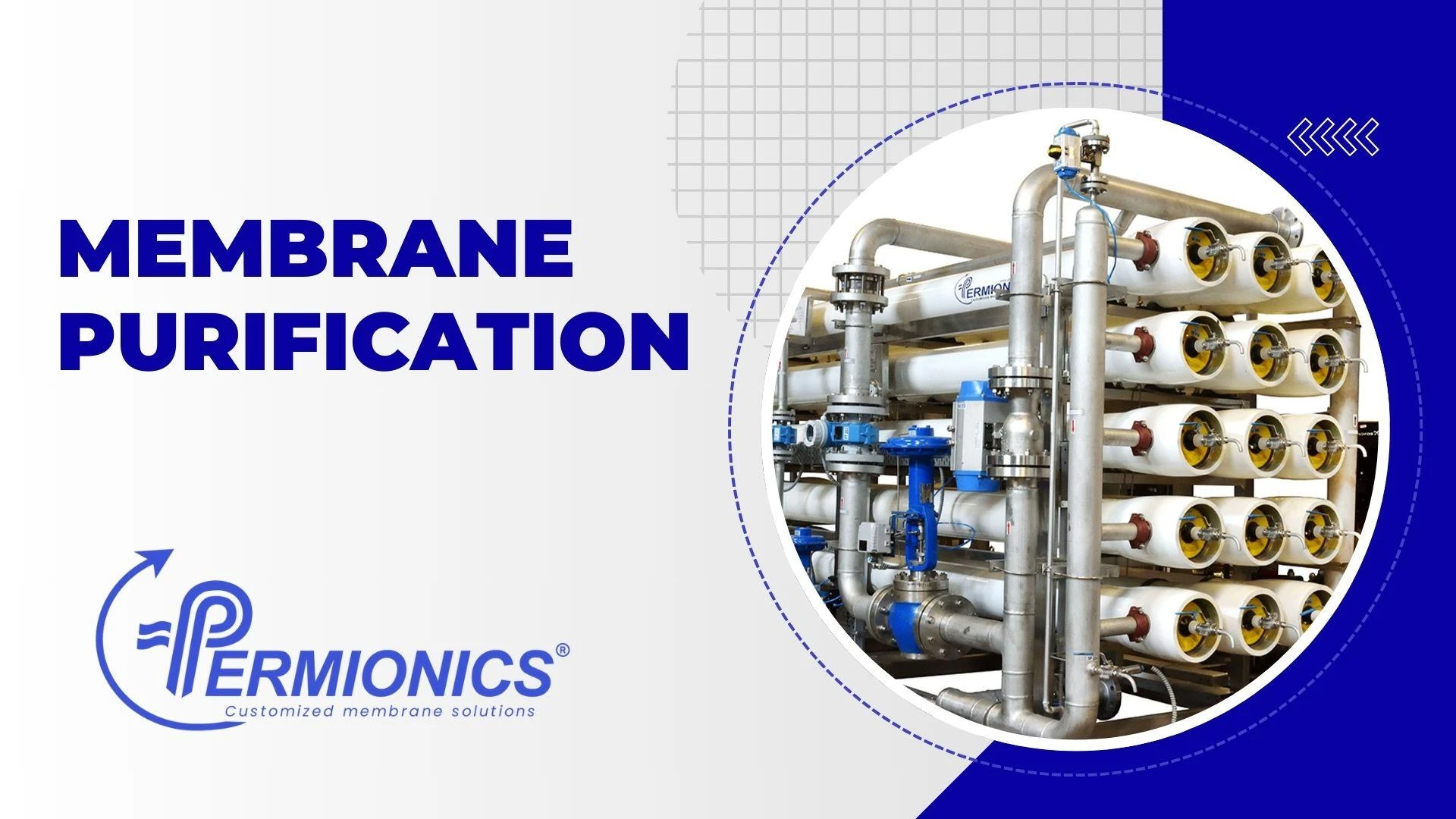

In an era marked by increasing environmental challenges and the need for more efficient resource management, membrane purification technology is becoming a vital tool across multiple industries. From providing cleaner water to enhancing food production and ensuring the purity of pharmaceutical products, this innovative technology is transforming the way we address some of the world's most pressing concerns.
1. Understanding Membrane Purification Technology
At its core, membrane purification involves the use of semi-permeable membranes to separate, filter, and concentrate substances in liquids or gases. These membranes allow only certain molecules to pass through, while blocking unwanted contaminants and impurities.
The technology comes in several forms, including microfiltration, ultrafiltration, nanofiltration, and reverse osmosis, each designed for specific filtration needs. Microfiltration, for example, targets larger particles, while reverse osmosis is used for removing very fine impurities such as salts and small molecules. This process has found wide applications in industries that require precise filtration, such as water treatment, food and beverage production, and pharmaceuticals.
2. Environmental Impact and the Path to a Greener Future
One of the most significant advantages of membrane purification is its ability to reduce water waste and energy consumption. Traditional water treatment methods often involve extensive energy use and can result in significant water loss. Membrane filtration, however, is much more water-efficient and consumes less energy, making it a more sustainable option.
Moreover, membrane technologies are key to supporting the circular economy by facilitating water reuse and resource recovery. For example, treated wastewater can be recycled for industrial or agricultural use, reducing the demand on freshwater sources. As industries strive for greener solutions, membrane technology plays an essential role in ensuring responsible resource management and minimizing environmental footprints.
3. Membrane Purification in Water Treatment
Access to clean water is a growing global concern, especially as populations increase and natural water sources become more strained. Membrane purification is a crucial part of the solution. Technologies like reverse osmosis are widely used to desalinate seawater and treat wastewater, offering a cost-effective and scalable way to produce clean, drinkable water.
Countries like Singapore have already embraced membrane technology to address their water scarcity challenges. The Public Utilities Board (PUB) in Singapore uses reverse osmosis to treat wastewater, turning it into clean, potable water. This not only ensures a reliable water supply but also demonstrates how membrane purification can be a powerful tool in sustainable urban water management.
4. Advancements in the Food and Beverage Sector
The food and beverage industry has also benefited from membrane purification technology, particularly in processes like dairy production and juice filtration. Ultrafiltration, for example, is used to separate fats, proteins, and other components in dairy products, improving quality and extending shelf life. In juice production, membranes help clarify liquids and concentrate juices without the need for heat, which helps preserve the natural flavors and nutrients.
As consumer demand for high-quality, consistent products continues to rise, membrane technology allows manufacturers to meet these expectations more efficiently. By streamlining production processes and enhancing product quality, membrane filtration helps the food and beverage sector operate in a more sustainable and effective manner.
5. Applications in Pharmaceuticals and Biotech Industries
In the pharmaceutical and biotechnology sectors, the importance of membrane purification cannot be overstated. This technology is used to filter and purify critical materials, including vaccines, biologics, and active pharmaceutical ingredients (APIs). By ensuring that contaminants such as bacteria and viruses are removed, membrane filtration helps maintain the highest standards of quality and safety in these sensitive industries.
Membrane filtration also supports the large-scale production of biologics, which require strict purity standards. While challenges related to scalability, cost, and maintenance persist, ongoing innovations in membrane technology continue to offer solutions that make pharmaceutical manufacturing more efficient and cost-effective.
6. Industrial Applications: Oil, Gas, and Chemical Manufacturing
In industries like oil, gas, and chemicals, membrane purification plays a pivotal role in improving efficiency and reducing environmental impact. Membranes are used to remove impurities from water and chemicals, ensuring higher product quality and reducing waste. By integrating membrane technologies into existing systems, industries can optimize resource utilization and minimize their environmental footprints.
This makes membrane filtration an increasingly attractive solution for heavy industries looking to meet both efficiency and sustainability goals, further proving the adaptability of this technology.
7. Overcoming Challenges and Barriers to Adoption
Despite its many advantages, the widespread adoption of membrane purification is not without challenges. High capital costs, ongoing maintenance requirements, and issues like membrane fouling can be significant obstacles, especially for smaller businesses or industries with limited budgets. Additionally, the lifespan of membranes can vary depending on the application, meaning ongoing research is needed to improve efficiency and durability.
However, these challenges are not insurmountable. As the technology continues to advance, solutions to reduce costs and improve membrane performance are emerging, making it more accessible to a broader range of industries.
8. Future Outlook: The Expanding Role of Membrane Technology
Looking to the future, membrane purification holds enormous potential for addressing even more global challenges. Advances in materials science, such as the development of nanomaterials and biomimetic membranes, promise to enhance filtration performance while reducing operational costs. Furthermore, the integration of smart technologies like artificial intelligence (AI) and the Internet of Things (IoT) could allow for real-time monitoring and optimization of filtration processes, further boosting efficiency.
As membrane technology continues to evolve, its applications will expand, offering new solutions to a broader array of industries and markets. This growing versatility will position it as an essential tool in addressing global issues like water scarcity, environmental degradation, and sustainable resource management.
Conclusion
Membrane purification technology is already making a profound impact across various sectors, from water treatment and food production to pharmaceuticals and heavy industry. Its ability to provide sustainable, efficient, and scalable solutions is helping industries meet the challenges of a rapidly changing world. As research and innovation continue to drive improvements, membrane purification will play an even more vital role in shaping the future of modern industries. Continued investment in this technology will be essential to unlocking its full potential, ensuring that we can build a more sustainable and resource-efficient future.
#MembranePurification #WaterTreatment #SustainableTech



























Sign in to leave a comment.