
Introduction
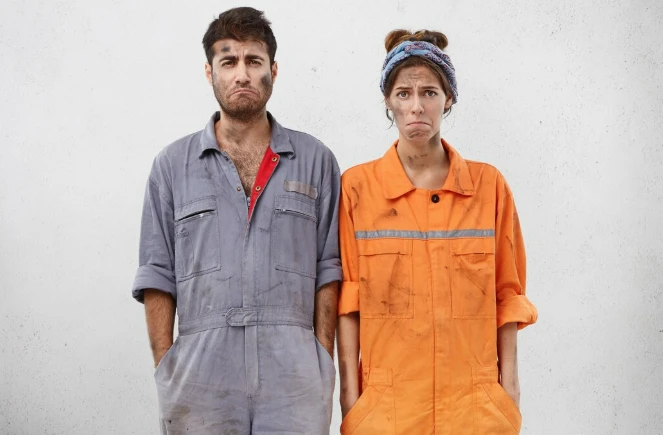
All organisations want to leave a unique brand impression. Work uniforms are designed to reflect how a company should appear. Simply wearing the right clothing can enhance recognition, build trust, and ensure consistency across all levels of staff. Uniforms are identical across teams and help organisations with high standards of professionalism communicate their message and values to clients.
1. First Impressions Matter
First impressions tend to last. Uniformed employees provide a sense of order and reliability. Consistent appearance quickly reassures customers, implying the company is organised and attentive to detail. A uniform is an instant visual marker that communicates standards and commitment.
2. Visual Consistency Across Teams
Uniforms create a sense of shared identity. All members in identical apparel embody the company’s spirit and mission. Visual consistency allows customers to identify staff quickly and fosters a more welcoming and accessible interaction. It also promotes internal cohesion, ensuring team members feel part of a larger purpose.
3. Building Trust and Professionalism
People tend to trust those who meet expectations. Wearing uniforms makes employees appear more professional, which promotes the company. When staff present a consistent image, customers feel more comfortable interacting with them. This level of professionalism inspires confidence because people are drawn to businesses they perceive as trustworthy and competent.
4. Strengthening Brand Recognition
A uniform acts as a moving advertisement. Logos, colours, and design choices serve as identifiers, keeping the brand top of mind. Recognition is reinforced with every interaction with staff in uniform. Over time, these visuals become associated with what the organisation represents and the standard of its services, leaving lasting impressions on customers.
5. Supporting Marketing Efforts
Uniforms are a subtle yet effective marketing tool. Each employee becomes an easily identifiable ambassador for the company, extending brand visibility beyond the workplace. At events, while travelling, or in transit, uniforms communicate the brand to new audiences. This consistent appearance across different settings helps broaden marketing reach without additional cost.
6. Encouraging Team Spirit
A common dress code can boost morale. Employees tend to feel a stronger sense of belonging. This shared identity promotes unity and pride in their affiliation. Wearing similar outfits breaks down barriers and encourages collaboration to achieve objectives.
7. Enhancing Customer Experience
Clarity is essential when engaging with customers. Uniforms remove uncertainty about who represents the business. Customers can easily spot staff, reducing confusion and enabling faster service. Instant recognition increases satisfaction because consumers know exactly who to approach for assistance.
8. Promoting Equality in the Workplace
Uniforms reduce perceived differences. When everyone wears the same clothing, distinctions based on attire disappear. This creates a more inclusive environment where individuals are valued for their work rather than what they wear. Such equality can increase job satisfaction and reduce staff turnover.
9. Supporting Security and Safety
Uniforms have a functional role beyond branding. Easily recognisable staff help maintain security, particularly in busy areas. Rapid identification prevents unauthorised access and aids emergency response. Wearing appropriate clothing also reduces risk by ensuring compliance with safety regulations.
10. Adapting to Company Culture
Uniforms reflect organisational culture. Traditional designs suit companies with formal values, while more expressive styles suit creative fields. The style chosen conveys the personality and ethos of the business to both clients and employees. Aligning uniforms with culture encourages authenticity and engagement internally.
11. Sustainability and Responsibility
Environmentally conscious uniforms reflect a commitment to sustainability. Using eco-friendly materials shows dedication to responsible practices. This choice communicates the organisation’s values, attracting like-minded customers and employees. The clothing worn demonstrates responsibility and projects a forward-thinking image.
Conclusion
Uniforms are far more than practical clothing; they are powerful tools for brand image and memory. They play a vital role in helping an organisation establish its identity by promoting unity, trust, recognition, and professionalism. Workplace attire contributes to brand identity, boosts staff morale, and strengthens relationships with customers and partners.





























Sign in to leave a comment.