

Introduction
For both employees and employers, wearing the proper work uniforms is important. Motivation and productivity can be enhanced by clothing that is durable and comfortable. They also apply professional coat uniforms. So, choosing the right one involves careful attention to some important factors, including fabric quality and construction, and fit & style. In this guide, readers are given tips on how to pick the right choice of work uniforms that are not only reliable but comfortable as well.
1. Focus on Fabric Quality
This plays a huge role in how long pieces of work attire will last. Choosing the right work uniforms ensures both durability and comfort in demanding environments. Good-quality textiles are more durable, adapting well to active wear and machine washing. Cotton blends allow breathability with good durability. Man-made fibres, such as polyester, offer natural stain and wrinkle resistance. Now you can finalise the fabrics, but always keep the requirements of the workplace in consideration while choosing them.
2. Assess Durability Features
Durability goes beyond fabric type. Take note of the seams and overall build of every article of clothing. Reinforced seams and double-stitched edges prevent early wear, giving peace of mind. Uniforms must also be fitted with strong and reliable zips and buttons so that they remain functional for a long time. Assess the fastenings and closures to ensure that they will stand up to daily wear.
3. Prioritise Comfort for Employees
Never compromise on comfort when it comes to uniforms. Skin irritation is avoided thanks to soft fabrics, particularly during long shifts. Fabrics that allow you to move freely help keep you fresh all day. Also, check for options like mesh panels or even moisture-wicking linings that will keep you dry and comfortable. Comfort can be improved with adjustable waistbands and stretch panels.
4. Consider Proper Fit and Sizing
A uniform that fits perfectly helps you feel confident and efficient. Clothes that don't fit properly can restrict your movement and cause discomfort. Provide a wide variety of sizes to suit different body types. Offer alteration options, such as hems or snaps, to create the best possible fit. So, if you need to place bulk orders, be sure to plan, as last-minute problems can be a disaster.
5. Pay Attention to Safety Needs
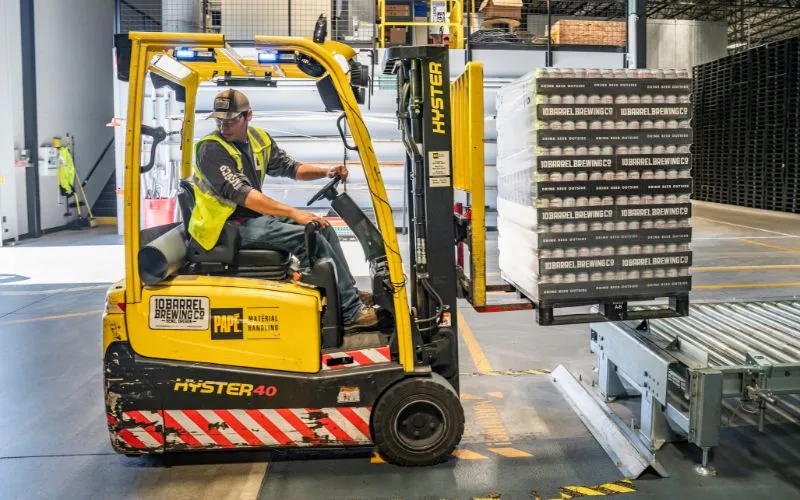
Some workplaces demand uniforms that comply with safety standards. Visibility is improved by the use of bright and highly visible colours and reflective strips in locations where there are moving vehicles or machinery. Workplaces that contain fire hazards require protective fabrics for their staff, known as flame-resistant fabrics. Check safety standards to make sure the uniforms adhere to any required guidelines.
6. Evaluate Ease of Care
Uniforms should be easy to wash and maintain. Machine washing saves time and the expense of professional cleaning. Stain-resistant treatments ensure uniforms maintain a fresher appearance for longer. Fabrics that do not wrinkle easily allow employees to look neat with the least amount of effort. Easy-care instructions result in less hassle for staff when caring for their clothing.
7. Think About Professional Appearance
Uniforms symbolise the enterprise; therefore, they help project the image that each company wants to present. Having consistent colours and neat designs gives a professional impression to customers and clients. Small embroidered logos or name tags add a personal touch while maintaining comfort. Balanced styles ensure that uniforms look good when worn but still serve their purpose.
8. Factor in Employee Feedback
Staff feedback can be useful in the selection process. Workers wear uniforms every day and are able to provide hands-on recommendations. Find out which fabrics, fits, and styles work best. This lets you test the garments before committing to a bulk order and helps catch any potential issues. Including your team in decision-making demonstrates respect for their needs and comfort.
9. Plan for Seasonal Changes
Appropriate uniforms vary according to temperature and weather conditions. During warm months, wear practical shirts or shorts made of light materials. Jackets and insulated outerwear keep staff warm when it is cold. Layered uniforms let employees make adjustments as the year progresses. Keeping this in mind will ensure everyone is comfortable and productive, no matter the season.
Conclusion
The uniform selection process is an elaborate one that involves considering everything from the fabric to the fit, the safety of the staff who will be wearing the uniform, and the feedback they provide. The right outfits boost productivity, bonding, and professionalism in your business. These steps help organisations deliver uniforms that work hard as well as feel and look good day after day.

























Sign in to leave a comment.