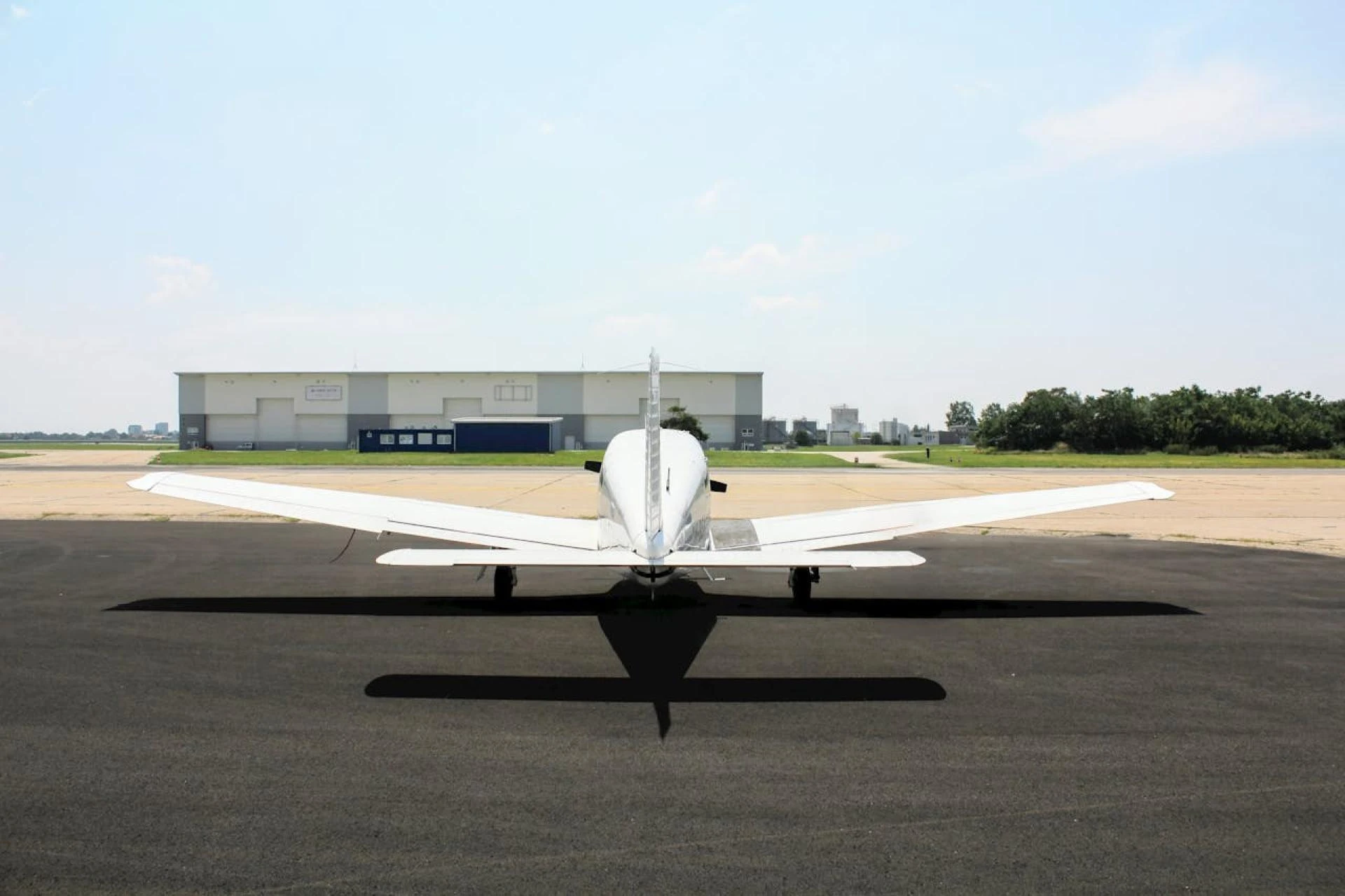

Aircraft cleanliness extends beyond visual appeal because it creates a better flight experience and ensures passenger comfort. The flight experience becomes more pleasant due to the cleanliness. It keeps passengers comfortable. It helps avoid strange smells. The plane maintains proper functionality through its cleaning process. Maintaining aircraft cleanliness is a challenging task. The process requires dedicated work combined with proper equipment and consistent good practices.
Start with the Cabin
The cabin area stands as the first thing that catches most passengers' attention. The primary focus should be on the cabin area. The accumulation of dirt occurs rapidly on seat cushions, trays, armrests, and overhead bins. Crumbs fall into seat cracks. Stains appear from both coffee spills and fingerprints. Things tend to build up rapidly when no one takes care of them.
Every flight requires cabin cleaning services, including brief surface cleanings. The cleaning efforts should focus on surfaces that receive the most human contact. Regular surface disinfection helps control the spread of germs. Fabric seats may need vacuuming. Leather requires soft cleaning solutions that prevent material damage. The cleaning staff should either vacuum or sweep the floors. Choose cleaning products that do not create sticky residue. The application of this solution prevents the accumulation of new dirt.
Don’t Forget the Cockpit
Pilots spend hours in this space. It should stay clean, too. But unlike the cabin, the cockpit needs more care. Buttons, screens, and switches are sensitive to touch. Avoid using too much liquid. Choose a soft cloth. Use gentle motions. Never spray directly onto a surface. Spray the cloth instead.
Bathrooms Need Special Attention
Aircraft bathrooms are small. But they still need detailed care. Toilets, sinks, and handles are used often. They should be cleaned after each flight, even short ones. Use disinfectants that are safe but strong. Avoid products with a heavy scent. The scent can linger in even the smallest of spaces. Restock paper products often. Check for any leaks or broken parts. A clean, working bathroom shows passengers that the plane is well cared for. It also helps avoid issues mid-flight.
Keep the Windows Clear
Windows give passengers their view of the sky. When they’re foggy or streaked, it ruins the effect. Dirty windows also affect light. Clean both the inside and outside when possible. Use a cleaner that won’t scratch or cloud the plastic or glass. Use microfiber cloths to avoid lint.
For outside windows, make sure to check for any bug splatter, watermarks, or grime. These should be removed gently. Pressure washers might damage seals. Use low-pressure hoses and soft brushes instead.
The Galley Deserves Attention
Food and drink service means spills. The galley gets messy fast. Sticky floors, smudged cabinets, and used carts all need regular cleaning. Keep surfaces wiped down. Remove crumbs and trash after every trip. Empty the trash bins before they overflow. Use food-safe products when cleaning this area. Harsh chemicals can contaminate utensils or leave behind bad smells. Floors should be non-slip and dry before the next use.
Don’t Skip the Luggage Area
Passengers may never see the cargo hold. But that doesn’t mean it should be ignored. Dirt and grime can get trapped in the corners. Leaks from bags can stain the floor. Cleaning this area helps with airflow. It also prevents unpleasant smells from spreading to the cabin.
Check for torn insulation or loose straps during the cleaning process. A tidy cargo area also keeps baggage handlers safe.
Exterior Cleaning Helps More Than Looks
A clean exterior isn’t just about shine. It helps keep the plane in good shape. Dirt and debris can hide cracks or dents. Bugs and oil can damage paint. Rain spots and grime can affect lift and drag. Regularly washing the fuselage, wings, and tail is a smart habit. Use products made for aircraft exteriors. Avoid using rough tools or anything too abrasive. When cleaning the wheels and landing gear, use extra care. These parts are full of grease. Use a degreaser that removes oil without harming rubber or metal. This is where Mirandy products can be helpful. Known for their gentle yet effective formulas, they can handle tough jobs without hurting aircraft surfaces.
Conclusion
Keeping an airplane clean takes work. But the reward is worth it. A clean plane looks better. It smells better. It feels better for passengers and crew. And it performs better over time. With the right approach and some consistent effort, any aircraft can stay in top shape. Cleanliness isn’t just about appearance—it’s a sign of care, pride, and professionalism in every flight.

























Sign in to leave a comment.