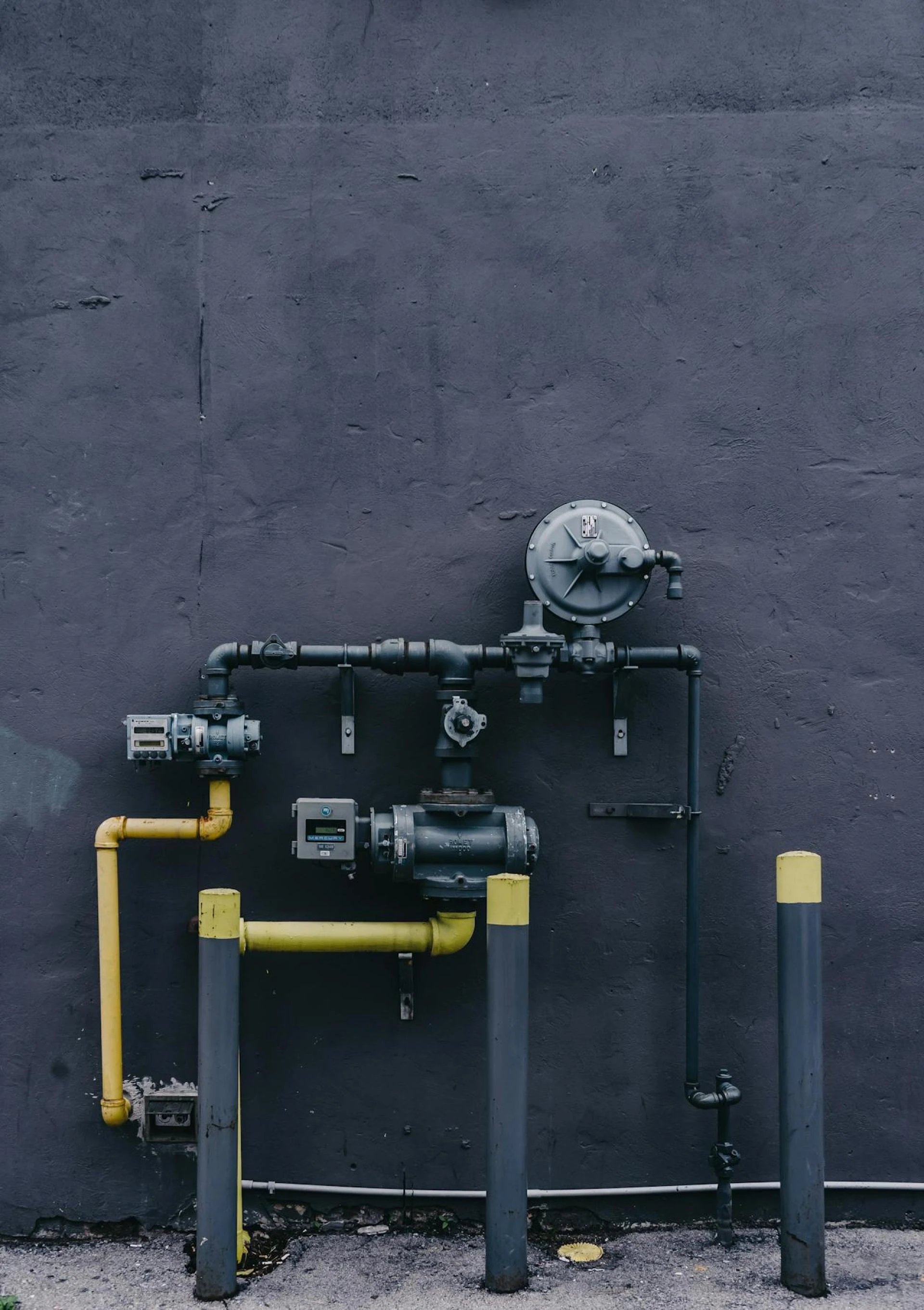

Backflow is a critical issue in plumbing systems that can lead to contamination of the clean water supply. Understanding backflow and knowing how to treat it is essential for maintaining a safe and healthy environment. Here is everything you need to know about treating backflow.
What is Backflow?
Backflow occurs when the normal flow of water is reversed, causing contaminated water to flow back into the clean water supply. This can happen due to changes in pressure within the plumbing system, such as a drop in water pressure or an increase in pressure from non-potable sources. Common causes of backflow include broken water mains, high water usage, and improper installation of plumbing fixtures.
Types of Backflow
There are two main types of backflow: backpressure and backsiphonage.
- Backpressure occurs when the pressure in the non-potable system exceeds the pressure in the potable system, forcing contaminated water into the clean water supply. This can happen in systems with pumps, boilers, or elevated tanks.
- Backsiphonage occurs when there is a sudden drop in pressure in the potable water system, causing water to be siphoned back from non-potable sources. This can happen during events like water main breaks or firefighting activities.
Health Risks of Backflow
The contamination of clean water due to backflow can pose serious health risks. Pollutants, chemicals, and pathogens from non-potable sources can enter the clean water supply, leading to illnesses such as gastrointestinal infections, skin rashes, and respiratory problems. In severe cases, exposure to contaminated water can result in long-term health complications. Ensuring that backflow is properly treated is crucial for protecting public health.
Preventing Backflow
Preventing backflow involves installing backflow prevention devices in the plumbing system. These devices are designed to stop the reverse flow of water and keep contaminants out of the clean water supply. Common types of backflow prevention devices include:
- Air gaps: A physical separation between the water supply and potential contaminants.
- Check valves: One-way valves that allow water to flow in only one direction.
- Pressure vacuum breakers: Devices that prevent backsiphonage by maintaining atmospheric pressure in the system.
Homeowners and businesses should work with companies that offer high quality backflow services to ensure that these devices are properly installed and maintained. Regular inspections and testing of backflow prevention devices are necessary to ensure their effectiveness.
Legal Requirements and Regulations
Many municipalities have regulations in place that require the installation of backflow prevention devices. These regulations are designed to protect the public water supply from contamination. Homeowners and businesses should be aware of local laws and requirements regarding backflow prevention and ensure compliance. Failure to adhere to these regulations can result in fines and penalties, as well as potential health risks for the community.
Benefits of Treating Backflow
Treating backflow and preventing contamination of the water supply offers several benefits:
- Health and Safety: Ensures the safety and health of individuals by providing clean and uncontaminated water.
- Cost Savings: Prevents costly repairs and damage to the plumbing system caused by contaminated water.
- Compliance: Adheres to local regulations and avoids legal issues and fines.
- Environmental Protection: Reduces the risk of environmental contamination and promotes sustainability.
Conclusion
Backflow is a serious issue that can lead to contamination of the clean water supply and pose health risks. Understanding the causes and consequences of backflow, as well as taking steps to prevent it, is essential for maintaining a safe and healthy environment. By installing and maintaining backflow prevention devices, homeowners and businesses can protect their water supply and ensure the well-being of their communities. Treating backflow is not only a matter of health and safety but also a wise investment in the long-term sustainability of the plumbing system.




























Sign in to leave a comment.