The Human Resource Management Software (HRMS) landscape is undergoing a significant transformation, driven by technological advancements and evolving workforce needs. As we step into 2025, the trends shaping human resource management software development point towards more intelligent, integrated, and employee-centric solutions. Organizations are increasingly seeking sophisticated HR software development services to optimize their HR functions, enhance employee experience, and gain strategic insights.
The Rise of AI and Machine Learning in HRMS
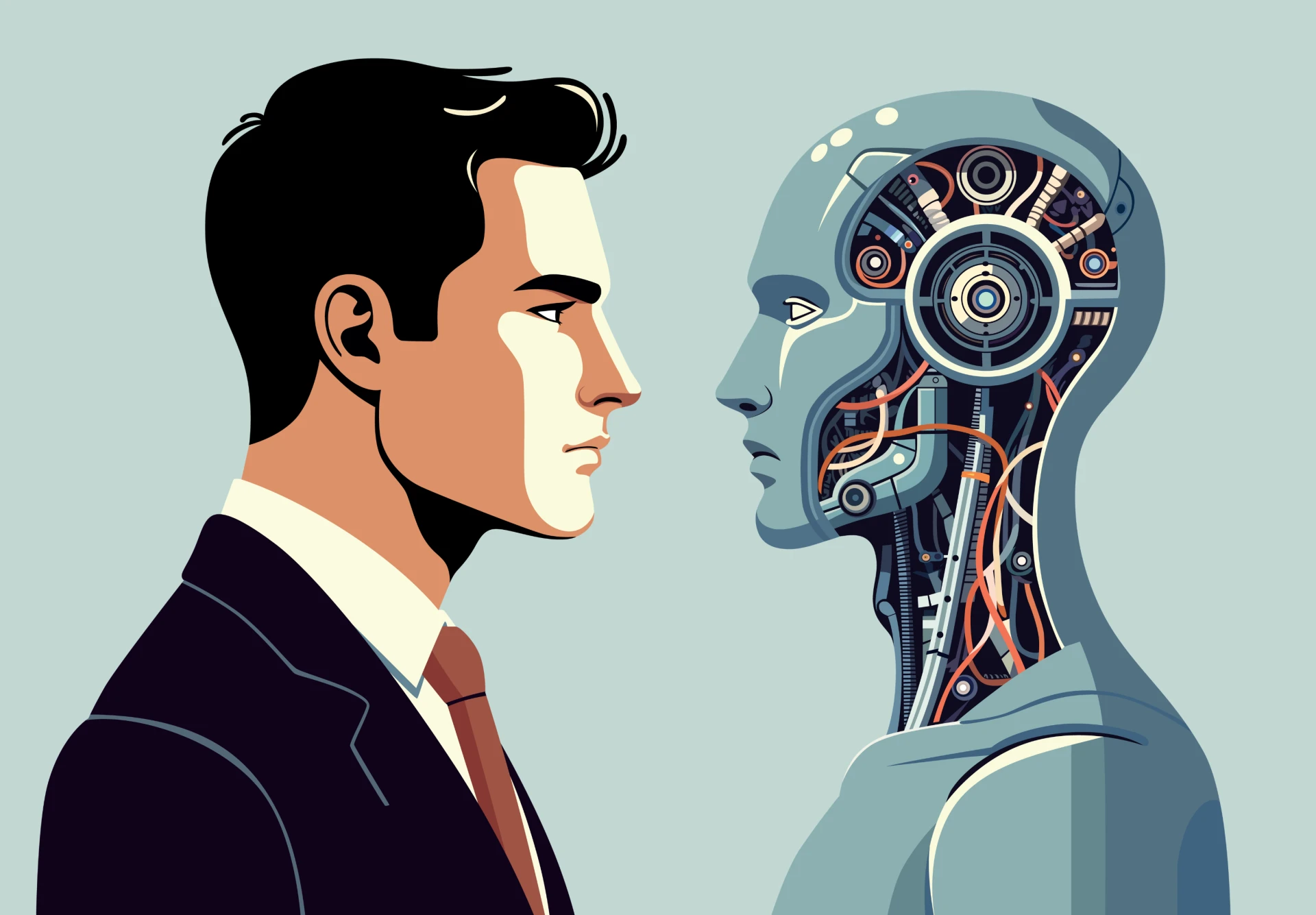
Artificial Intelligence (AI) and Machine Learning (ML) are no longer futuristic concepts; they are rapidly becoming integral to HRMS. By 2025, these technologies will be at the forefront of hrms software development. AI-powered systems are revolutionizing various HR processes, from talent acquisition to performance management and employee engagement.
One of the most impactful applications is in automating repetitive and time-consuming tasks. AI can intelligently screen resumes, analyze candidate profiles, and even conduct initial interviews through chatbots, significantly reducing the time-to-hire and enhancing the quality of candidates. This frees up HR professionals to focus on more strategic initiatives like fostering company culture and developing talent.
Furthermore, predictive analytics, fueled by ML algorithms, is empowering HR teams with actionable insights. HRMS solutions can now predict employee turnover, identify skill gaps before they become critical, and recommend personalized learning and development paths. This proactive approach allows organizations to address potential challenges early, fostering a more stable and skilled workforce. AI-driven systems are also crucial in reducing unconscious bias in recruitment and performance evaluations, promoting fairer and more objective decision-making.
Enhanced Employee Experience and Self-Service
The modern workforce, particularly with the prevalence of remote and hybrid models, demands a seamless and intuitive experience. HR portal development is shifting towards creating highly personalized and user-friendly interfaces that empower employees. Employee self-service (ESS) portals are becoming more robust, allowing employees to manage a wide array of HR-related tasks independently.
In 2025, ESS portals in HRMS will offer advanced functionalities such as:
- Personalized Dashboards: Employees can access their payslips, manage leave requests, update personal information, and view performance reviews through a single, customizable dashboard.
- AI-powered Virtual Assistants: Chatbots and virtual assistants will provide instant answers to common HR queries, reducing the workload on HR departments and ensuring 24/7 support.
- Learning and Development Integration: Employees will have access to tailored learning modules and career development resources based on their skills, career aspirations, and identified growth areas.
- Real-time Feedback Mechanisms: Modern HRMS platforms are integrating continuous feedback loops, allowing for instant feedback exchange between employees and managers, moving beyond traditional annual reviews.
This focus on employee experience not only boosts satisfaction and engagement but also significantly improves operational efficiency by reducing manual HR interventions.
Unified Platforms and Seamless Integration
The era of disparate HR systems is drawing to a close. A major trend in hr software development for 2025 is the move towards unified, all-in-one platforms that seamlessly connect every stage of the employee lifecycle. This integration eliminates data silos, reduces reconciliation efforts, and provides a single source of truth for HR data.
A comprehensive HRMS will encompass:
- Talent Acquisition: From applicant tracking systems (ATS) to onboarding, streamlining the hiring process.
- Core HR Functions: Payroll, benefits administration, time and attendance tracking, and leave management.
- Talent Management: Performance management, learning and development, succession planning, and skills management.
- Workforce Management: Scheduling, compliance, and real-time monitoring for diverse work models (remote, hybrid, on-site).
HRMS software development companies are prioritizing robust APIs and flexible architectures to ensure smooth integration with other enterprise systems, such as ERP, CRM, and financial software. This holistic approach ensures data consistency and enables data-driven decision-making across the entire organization.
Data Security and Privacy as a Paramount Concern
With the increasing centralization of sensitive employee data within HRMS, data security and privacy are non-negotiable. As cyber threats evolve, hr software development companies must implement cutting-edge security measures.
Key considerations for 2025 include:
- Robust Encryption: End-to-end encryption for data at rest and in transit is crucial to protect personal and financial employee information.
- Multi-Factor Authentication (MFA): Implementing MFA ensures that only authorized personnel can access sensitive data, adding an extra layer of security.
- Compliance with Data Regulations: Adherence to global and local data privacy regulations such as GDPR, CCPA, and similar frameworks is paramount. HRMS solutions will need to offer automated compliance tracking and reporting features.
- Regular Security Audits and Vulnerability Assessments: Continuous monitoring and proactive measures are essential to identify and mitigate potential security risks.
- Blockchain Technology: While still nascent, blockchain is being explored for secure and immutable storage of employee credentials, contracts, and sensitive records, offering enhanced transparency and trust.
Adaptability for Remote and Hybrid Work Models
The shift to remote and hybrid work models is a lasting change, and human resource management software development is adapting accordingly. HRMS solutions in 2025 will be designed to effectively manage a distributed workforce, ensuring seamless operations regardless of employee location.
This includes features for:
- Remote Onboarding and Offboarding: Streamlined digital processes for welcoming new remote hires and managing departing employees.
- Virtual Training and Collaboration Tools: Integration with communication and collaboration platforms to facilitate learning and team interaction.
- Real-time Performance Monitoring: Tools that allow managers to track productivity and engagement of remote teams, providing insights for better support and performance management.
- Flexible Scheduling and Time Tracking: Advanced features for managing varied work schedules, time zones, and ensuring accurate attendance and payroll for a global workforce.
Focus on Skills-Based Approach and Continuous Learning
The rapid evolution of industries necessitates a focus on skills rather than just traditional qualifications. HR software development is incorporating features that support a skills-based talent management approach.
This means HRMS will enable:
- Skill Gap Identification: AI-driven analysis of workforce data to pinpoint existing and future skill gaps.
- Personalized Learning Paths: Recommendation of customized training and development programs to address identified skill deficiencies.
- Upskilling and Reskilling Initiatives: Integration with learning management systems (LMS) to facilitate continuous learning and skill transformation.
- Internal Mobility: Tools to identify and develop internal talent for new roles, fostering career growth within the organization.
Advanced Analytics and Reporting<
Data-driven decision-making is at the core of effective HR strategy in 2025. HRMS solutions are moving beyond basic reporting to provide advanced analytics and real-time dashboards that empower HR leaders with deep insights into workforce trends and performance.
Key analytical capabilities will include:
- Predictive Workforce Analytics: Forecasting future talent requirements, attrition risks, and potential recruitment challenges.
- Employee Engagement Metrics: Tracking and analyzing data related to employee satisfaction, morale, and feedback to identify areas for improvement.
- Diversity, Equity, and Inclusion (DE&I) Insights: Providing data-backed insights to monitor DE&I initiatives and identify areas for improvement in workforce representation and fairness.
- Customizable Dashboards: Allowing HR leaders to tailor dashboards to focus on key performance indicators (KPIs) relevant to their strategic goals.
This robust analytical capability empowers HR to move from an administrative function to a strategic business partner, demonstrating the tangible impact of HR initiatives on organizational success.
Key Considerations for an HRMS Software Development Company
For any hrms software development company, staying ahead of these trends is crucial. It involves:
- Continuous Innovation: Investing heavily in R&D to integrate the latest technologies like AI, ML, and potentially blockchain.
- User-Centric Design: Prioritizing intuitive UI/UX to ensure high adoption rates among HR professionals and employees.
- Scalability and Customization: Developing flexible solutions that can cater to the unique needs and growth trajectories of diverse organizations, from small businesses to large enterprises.
- Security by Design: Embedding robust security measures from the initial stages of development to protect sensitive HR data.
- Compliance Expertise: Staying abreast of evolving global and local labor laws and data privacy regulations to ensure compliance within the software.
- Strong Support and Services: Offering comprehensive hr software development company that include implementation, training, and ongoing technical support to maximize client success.
In conclusion, the HRMS software development landscape in 2025 is characterized by a strong emphasis on intelligence, integration, and employee empowerment. Organizations that embrace these trends through strategic investment in their HR technology will be better positioned to attract, retain, and develop top talent, ultimately driving business success in a rapidly evolving world.





















Sign in to leave a comment.