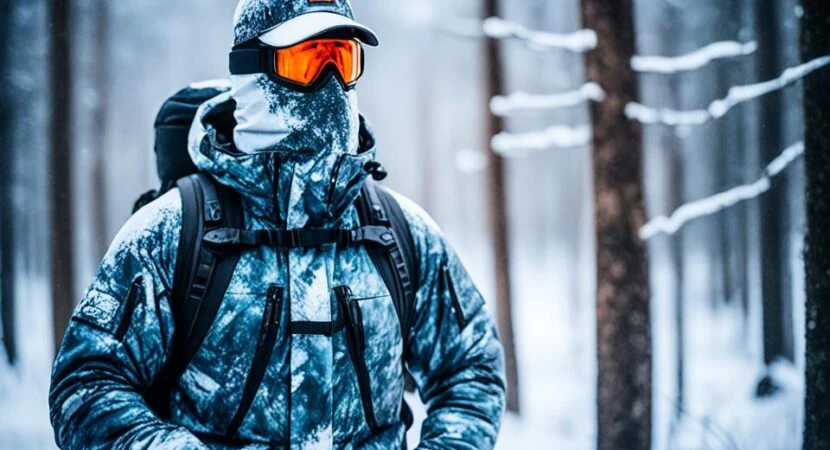

When the temperature drops and frost covers the ground, only the most prepared hunters venture into the wilderness. Cold-weather hunting brings unique challenges—freezing temperatures, biting winds, snow, and the constant struggle to stay warm without sacrificing mobility or stealth. The right hunting clothing for cold weather can mean the difference between a successful outing and a miserable experience. Let’s explore how to layer properly, what materials to choose, and which features matter most when gearing up for frigid conditions.
The Importance of Proper Cold-Weather Hunting Gear
Hunting in cold weather requires more than just heavy jackets and insulated boots. It’s about regulating body temperature, controlling moisture, and remaining silent and scent-free. When temperatures dip below freezing, your body works harder to maintain warmth, burning calories and energy quickly. Without proper clothing, you risk hypothermia, frostbite, or simply being too uncomfortable to focus on your target.
A well-planned clothing system not only keeps you warm but also enhances your endurance and awareness. Whether you’re sitting motionless in a deer stand for hours or tracking elk through snowy forests, the right combination of layers keeps your body protected while maximizing performance.
The Layering System: The Foundation of Cold-Weather Hunting
The key to effective cold-weather hunting clothing is layering. A three-layer system—base layer, mid layer, and outer layer—creates a versatile shield against the elements.
1. Base Layer: Moisture Management
The base layer is your first line of defense. It sits closest to your skin, and its job is to wick moisture away to keep you dry. Sweat is your enemy in cold environments because damp clothing leads to rapid heat loss.
Best materials:
- Merino wool: Naturally antimicrobial, breathable, and warm even when wet. Ideal for both active hunts and long sits.
- Synthetic fabrics (polyester blends): Excellent for moisture wicking and quick drying, though they can retain odor.
Avoid: Cotton—it absorbs moisture, stays wet, and drains body heat.
Example setup: A merino wool long-sleeve shirt and long underwear form a reliable foundation for frigid mornings in the field.
2. Mid Layer: Insulation and Warmth
The mid layer traps body heat. Think of it as your insulation barrier—the layer responsible for keeping warmth in while allowing moisture to escape from the base layer.
Best materials:
- Fleece: Lightweight, breathable, and versatile. Ideal for moderate cold or layering flexibility.
- Down: Extremely warm and compressible, but not ideal in wet environments unless it’s treated to resist moisture.
- Synthetic insulation (like Primaloft): Retains warmth even when damp, making it excellent for unpredictable conditions.
Example setup: A synthetic puffer jacket or a heavy fleece pullover adds heat retention without excess bulk.
3. Outer Layer: Protection from the Elements
Your outer shell guards against wind, snow, and rain. This layer should be windproof, waterproof, and durable, while still allowing breathability to prevent overheating.
Best materials:
- GORE-TEX® or similar waterproof membranes: Blocks wind and moisture but allows vapor to escape.
- Softshell fabrics: Great for active hunts where breathability and quiet movement are priorities.
Features to look for:
- Adjustable hoods and cuffs
- Silent, brushed fabric for stealth
- Ample pocket space for gear and hand warmers
A top-quality insulated hunting jacket with a quiet outer shell ensures comfort during long sits and unpredictable weather.
Choosing the Right Pants and Bibs
Lower body insulation is just as important. Hunting pants or bibs designed for cold weather should combine warmth, water resistance, and quietness.
Recommended features:
- Reinforced knees and seat for durability
- Suspender systems to prevent waistband gaps
- Windproof linings and fleece interiors
Insulated bibs are often preferred because they keep your core warm and seal out drafts when you bend or sit. For active hunts, consider softshell pants with a brushed interior and ventilation zips for temperature control.
Footwear: The Foundation of Warmth
Your feet are often the first to get cold. Proper hunting boots are crucial for maintaining comfort and mobility.
Key features to look for:
- Insulation: Measured in grams (e.g., 800g–1600g Thinsulate). Choose heavier insulation for static hunts and lighter for active pursuits.
- Waterproofing: Essential for snow, ice, and slush.
- Fit: Make sure there’s enough room for thick wool socks without cutting off circulation.
Pair boots with moisture-wicking liners and merino wool socks for maximum warmth and dryness. Consider carrying an extra pair of socks if you’ll be out all day.
Accessories That Make a Difference
Small items can have a huge impact on comfort and survival in cold conditions.
- Gloves and Mittens: Layering applies here too—thin liner gloves for dexterity and insulated mitts for long waits.
- Hats and Balaclavas: A fleece-lined beanie or merino balaclava helps retain up to 70% of body heat lost through the head.
- Neck Gaiters: Block wind and prevent frostbite on exposed skin.
- Hand and Foot Warmers: Disposable or rechargeable warmers are invaluable during extended hunts.
Scent Control and Stealth in Cold Conditions
Cold air tends to hold scent closer to the ground, making scent control even more crucial. Choose odor-resistant fabrics like merino wool, and wash your gear with scent-free detergents. Also, avoid unnecessary noise—select clothing with quiet zippers, snaps, and soft fabrics that won’t rustle as you move.
Camouflage Patterns for Winter Hunts
In snowy or frosty environments, your camouflage should blend seamlessly with the landscape. Winter camo patterns—like white, gray, and muted green blends—help you stay invisible. For late-fall hunts without snow, bark and leaf patterns remain ideal. Always match your camo to your hunting terrain and species.
Final Tips for Cold-Weather Hunting Success
- Test your gear before the season starts—make sure layers fit well together and don’t restrict movement.
- Stay hydrated and nourished—your body needs energy to generate heat.
- Avoid overheating early—shed layers during hikes to your spot, then add them once you settle in.
- Pack extra layers—conditions can change quickly in cold climates.
Conclusion
The right hunting clothing for cold weather is more than just apparel—it’s your survival system. Proper layering, high-quality insulation, waterproof protection, and stealthy materials ensure that you stay warm, comfortable, and focused no matter how brutal the elements become. Whether you’re waiting in a treestand or stalking through snow-covered woods, investing in purpose-built cold-weather hunting gear will keep you safe and give you the endurance needed to seize that perfect shot.




























Sign in to leave a comment.