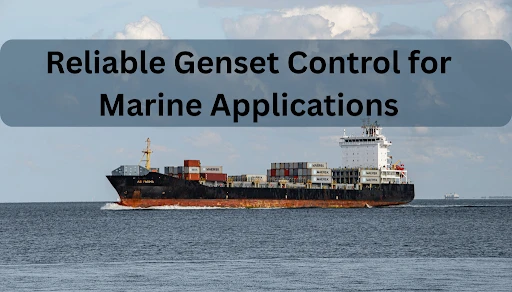
In the maritime industry, uninterrupted power supply is critical for safe navigation, cargo operations, communication systems, and onboard living facilities. A genset control system plays a central role in managing and optimizing the performance of marine generator sets.
From ensuring fuel efficiency to preventing power failures, a reliable genset control solution is essential for modern vessels operating under strict safety and regulatory standards.
What is a Genset Control System?
A genset control system is an integrated electronic system that monitors, regulates, and protects marine generator sets (diesel or hybrid). It manages generator start/stop functions, load sharing, synchronization, voltage regulation, and fault detection.
In maritime applications, genset control systems are designed to meet standards set by organizations such as the International Maritime Organization (IMO) and classification societies like Lloyd's Register.
Why Genset Control is Critical in Maritime Applications
1. Ensures Continuous Power Supply
Ships rely on generator sets to power:
- Navigation systems
- Radar and ECDIS
- Lighting systems
- Engine room equipment
- Communication systems
A properly configured genset control system ensures seamless power distribution and prevents unexpected blackouts at sea.
2. Load Sharing & Synchronization
Marine vessels often operate multiple generators simultaneously. The genset control system:
- Balances the load between generators
- Automatically synchronizes voltage and frequency
- Optimizes power output
- Prevents overload conditions
This improves efficiency and extends generator lifespan.
3. Enhanced Safety & Fault Protection
Safety is non-negotiable in maritime operations. A modern genset control system provides:
- Overcurrent protection
- Short-circuit protection
- Low oil pressure shutdown
- High temperature alarms
- Emergency stop features
These protective mechanisms help comply with safety frameworks like SOLAS.
4. Fuel Efficiency & Cost Optimization
Fuel costs represent a major portion of vessel operating expenses. An intelligent genset control system:
- Optimizes generator loading
- Reduces idle running
- Enables automatic start/stop
- Minimizes fuel wastage
This leads to reduced operational costs and improved environmental performance.
5. Automated Power Management
Advanced genset control systems offer:
- Power management systems (PMS)
- Automatic generator sequencing
- Shore power synchronization
- Black start capability
These features ensure smooth power transition during port operations and emergency situations.
6. Real-Time Monitoring & Remote Diagnostics
Modern marine genset control systems include:
- Digital control panels
- Remote monitoring capability
- Alarm logging
- Performance analytics
Fleet managers can track generator performance in real time and schedule preventive maintenance efficiently.
7. Compliance with Maritime Regulations
A certified genset control system ensures compliance with:
- IMO safety standards
- SOLAS requirements
- Classification society approvals
Compliance reduces the risk of penalties and ensures smooth vessel inspections.
Key Components of a Marine Genset Control System
A typical genset control setup includes:
- Digital control module
- Automatic voltage regulator (AVR)
- Protection relays
- Synchronization panel
- Power management software
These components work together to ensure stable and efficient onboard power generation.
Benefits of Genset Control in Marine Applications
Implementing a robust genset control system offers:
- Improved operational reliability
- Reduced downtime
- Extended generator lifespan
- Optimized fuel consumption
- Enhanced crew safety
- Lower maintenance costs
For commercial ships, offshore vessels, and passenger ships, an advanced genset control solution is not optional — it is a necessity.
Future of Genset Control in Maritime Industry
With the maritime sector moving toward digitalization and greener operations, genset control systems are evolving to support:
- Hybrid propulsion systems
- Energy storage integration
- Smart grid compatibility
- Emission monitoring
As vessels adopt automation and smart technologies, the role of genset control will become even more critical.
Conclusion
The genset control system is the backbone of marine power management. It ensures safe, efficient, and uninterrupted electricity generation onboard vessels while meeting international maritime regulations.
By integrating advanced monitoring, load management, and safety protection features, a modern genset control solution enhances vessel reliability and operational efficiency. For shipowners and fleet operators, investing in a certified marine genset control system is a strategic step toward safer and smarter maritime operations.





















Sign in to leave a comment.