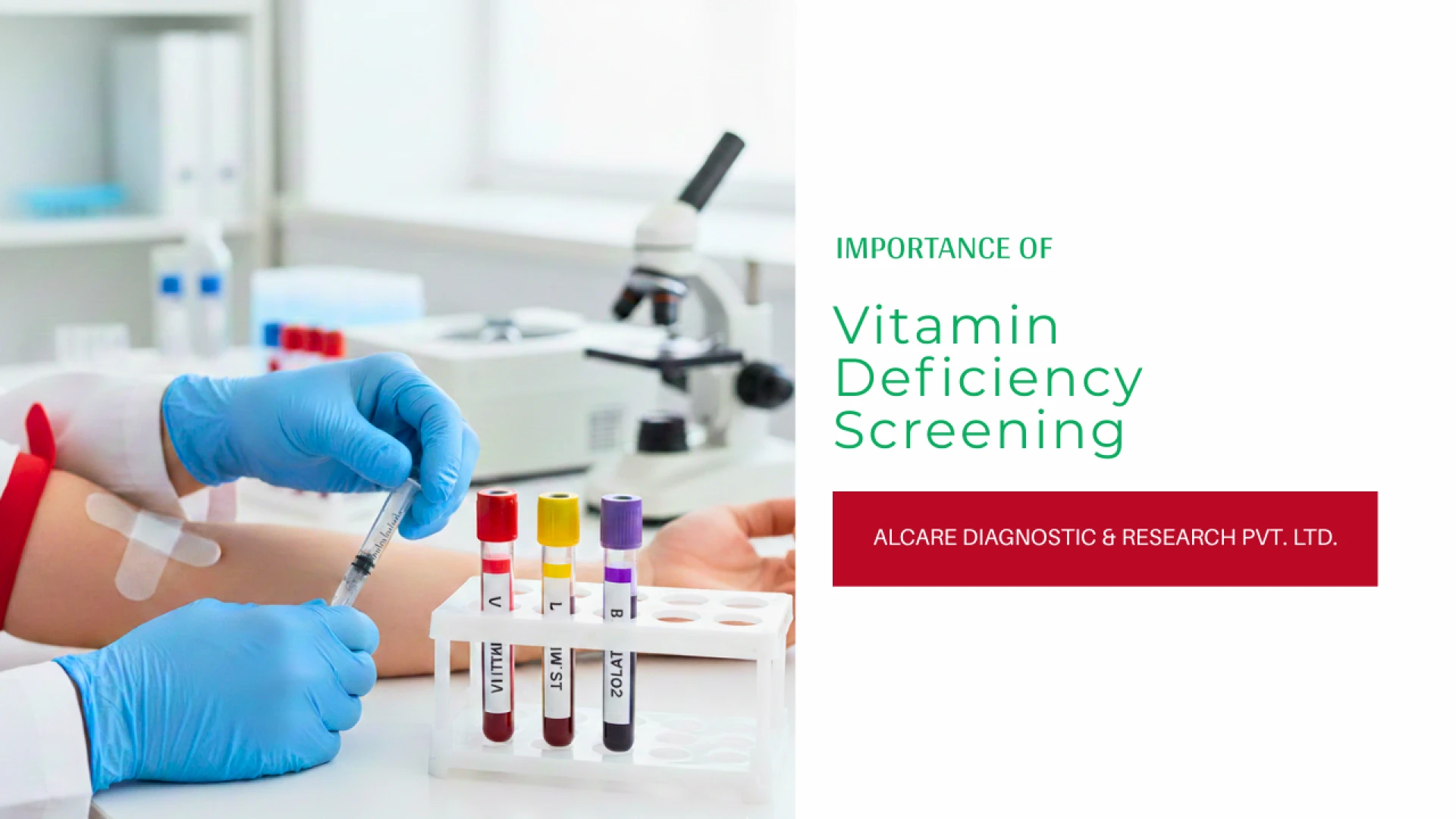

Maintaining good health isn’t just about treating illness when it appears - it’s also about identifying problems before they affect your quality of life. Vitamin deficiency screening plays an important role in preventive healthcare by helping detect imbalances that may otherwise go unnoticed.
Vitamins are essential for everything from immunity and energy production to bone strength and brain function, and even mild deficiencies can influence how you feel and perform daily.
Why Vitamins Matter to Your Body?
Vitamins are micronutrients required in small amounts but vital for normal physiological function. For example, vitamin D supports bone health and calcium absorption, while B-vitamins contribute to energy metabolism and nerve function. When these nutrients are lacking, the body often shows subtle signs such as fatigue, weakened immunity, poor concentration, or muscle discomfort. Screening allows healthcare providers to identify these imbalances early and guide appropriate interventions.
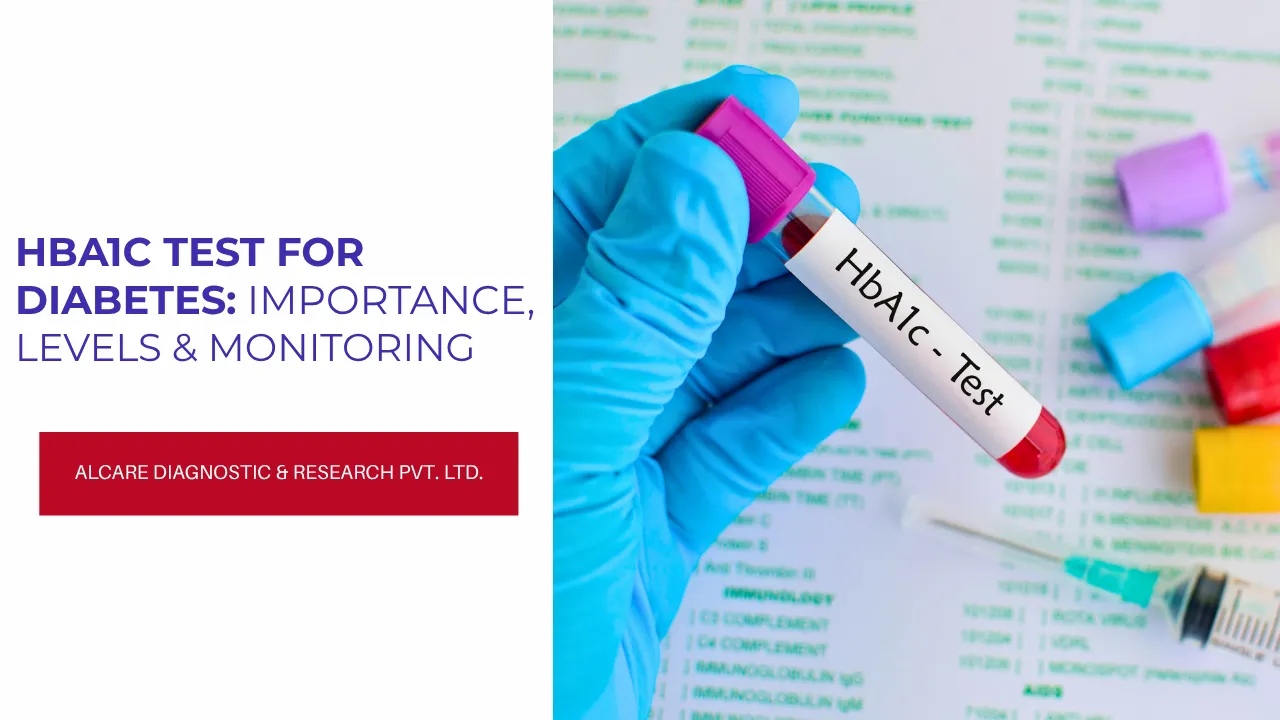
Blood testing is one of the most reliable ways to assess vitamin levels. These tests measure nutrient concentrations in the bloodstream and help determine whether intake or absorption is sufficient. Testing is especially useful because deficiency symptoms can be vague or resemble other conditions, making laboratory confirmation important for accurate diagnosis and treatment planning.
Who Should Consider Vitamin Deficiency Screening?
While anyone can benefit from periodic evaluation, certain groups may be more prone to deficiencies. People with restricted diets, digestive disorders, or chronic illnesses may have difficulty absorbing nutrients effectively. Similarly, individuals with limited sun exposure are at higher risk of vitamin D deficiency, and routine testing can confirm whether supplementation or lifestyle changes are needed.
Screening is also recommended when symptoms suggest possible imbalance. Signs such as persistent tiredness, brittle bones, or frequent illness may signal low vitamin levels, and targeted testing can provide clarity. Early identification ensures timely corrective measures and reduces the risk of long-term complications.
Benefits of Early Detection
Regular vitamin screening offers several advantages:
- Prevention of complications: Identifying low levels early helps prevent issues like bone weakening or nerve dysfunction associated with prolonged deficiency.
- Personalized treatment: Results allow healthcare professionals to recommend tailored diet adjustments or supplementation rather than guesswork.
- Monitoring effectiveness: Follow-up tests evaluate whether interventions are working and ensure levels return to healthy ranges.
For instance, vitamin D testing measures the amount of the nutrient circulating in your blood and helps assess whether levels are adequate for maintaining bone strength and overall health.
Supporting Long-Term Wellness
Vitamin deficiency screening is not just about correcting deficiencies - it’s part of a proactive approach to health. Combined with balanced nutrition and routine checkups, testing provides insights that empower individuals to make informed lifestyle choices. Healthcare professionals can use results to guide dietary planning and ensure nutritional needs are consistently met.
Taking a preventive approach through regular screening ultimately promotes stronger immunity, better energy levels, and improved overall wellbeing. In a fast-paced lifestyle where nutritional gaps can occur easily, such evaluations are a practical step toward safeguarding long-term health.
Take Charge of Your Nutritional Health
Understanding your vitamin status can make a meaningful difference in how you manage your health. If you have concerns about fatigue, immunity, or overall wellness - or simply want reassurance about your nutritional balance - consider scheduling a vitamin deficiency screening. Book an appointment with Alcare Diagnostics, Guwahati to access reliable testing and professional support designed to keep your health on track.


























Sign in to leave a comment.