
The thyroid is a small, butterfly-shaped gland in your neck, but it plays a powerful role in how your body functions. It regulates metabolism, energy levels, temperature control, and even mood. When something disrupts thyroid activity, the effects can show up across many aspects of health.
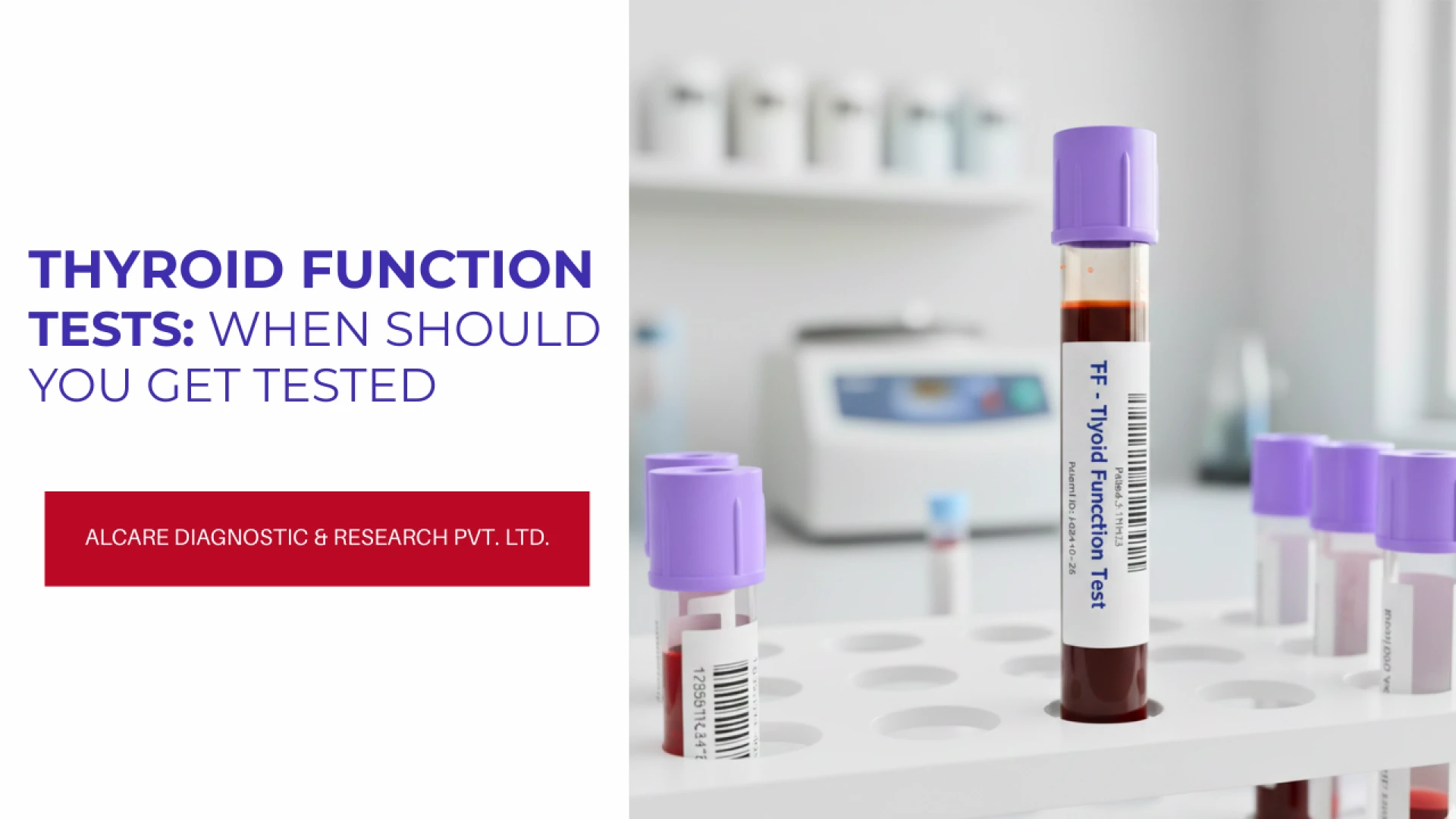
Thyroid function tests are simple blood tests designed to measure how well this gland is working. Understanding when to take these tests and why they matter can help you address concerns early and maintain overall wellness.
What Are Thyroid Function Tests?
Thyroid function tests typically measure hormones that reflect how your thyroid and related regulatory systems are performing. These include:
- TSH (Thyroid-Stimulating Hormone): Produced by the pituitary gland, this is usually the first marker doctors evaluate because it signals the thyroid to produce hormones.
- T3 and T4 Hormones: These hormones directly influence metabolism and energy use in the body.
- Additional Tests: In certain cases, further markers or antibody tests may be ordered to investigate autoimmune thyroid disorders.
Healthcare providers rely on these tests to diagnose conditions such as hypothyroidism or hyperthyroidism and to monitor treatment effectiveness. Blood tests measuring these hormones are the main way to assess thyroid health.
Signs That Suggest Testing May Be Needed
You do not always need obvious symptoms to consider testing, but certain changes in your health may prompt evaluation. Thyroid dysfunction can present in subtle or varied ways because hormone imbalance affects many systems.
You may want to consult a doctor about testing if you experience:
- Unexplained fatigue or energy loss
- Sudden weight changes
- Hair thinning or skin dryness
- Mood changes or difficulty concentrating
- Irregular heartbeat or temperature sensitivity
Medical professionals often recommend testing when symptoms suggest hormone imbalance or when screening for underlying health concerns.
Situations Where Testing Is Recommended
Apart from symptoms, specific life stages or medical conditions may warrant thyroid testing. Physicians may advise screening if you:
- Have a family history of thyroid disorders
- Are pregnant or planning pregnancy
- Have autoimmune diseases or diabetes
- Are undergoing treatment that affects hormone levels
- Need monitoring after previous thyroid diagnosis
Testing is also useful for tracking treatment progress if you already have a thyroid condition. Regular monitoring ensures hormone levels stay within safe ranges and adjustments can be made if necessary.
What Happens During the Test?
Thyroid testing involves drawing a small blood sample. Results are interpreted in context - your symptoms, health history, and physical findings all matter. Hormone levels slightly outside reference ranges do not always indicate disease, which is why professional evaluation is essential.
If abnormalities are detected, your doctor may recommend lifestyle guidance, medication, or further diagnostic evaluation depending on the underlying cause.
Taking a Proactive Approach to Thyroid Health
Being attentive to your body’s signals and seeking timely testing can make a meaningful difference. Thyroid disorders are manageable when detected early, and routine evaluation provides clarity if unexplained symptoms arise.
If you have concerns about hormone balance or need reliable diagnostic support, consider scheduling a thyroid function test with Alcare Diagnostics, Guwahati.




















Sign in to leave a comment.