
Education is rapidly evolving from traditional teaching methods to more intelligent, insight-driven approaches. Today, schools and educators are increasingly relying on data to understand how students learn, where they struggle, and what methods help them improve faster. This shift is transforming classrooms into more responsive and personalized learning environments where every student gets the attention they need to succeed.
Data-driven learning is not just a trend—it is becoming a core part of modern education systems. By analyzing student performance, engagement levels, and learning patterns, educators can make more informed decisions that directly impact academic outcomes.
What is Data-Driven Learning?
Data-driven learning refers to the use of student performance data to guide teaching strategies and learning paths. Instead of applying the same teaching method to all students, educators use insights from tests, assignments, and learning activities to tailor instruction.
This approach helps identify:
- Weak subject areas
- Learning speed of individual students
- Knowledge gaps in real time
- Effectiveness of teaching methods
As a result, learning becomes more targeted, efficient, and result-oriented.
Benefits of Data-Driven Learning in Schools
One of the biggest advantages of data-driven learning is improved student performance. When teachers understand exactly where a student is struggling, they can provide immediate support rather than waiting for final exam results.
Other key benefits include:
- Better academic tracking and monitoring
- Personalized learning experiences
- Improved student engagement
- Early identification of learning difficulties
- Higher retention of knowledge
This approach ensures that no student is left behind, as learning becomes adaptive and continuously optimized.
Role of Adaptive Learning Platforms in Education
Modern education technology is playing a major role in making data-driven learning scalable. Adaptive learning platforms use AI and analytics to adjust content based on each student’s performance. These systems continuously analyze responses and modify difficulty levels, practice sets, and revision paths accordingly.
This is where platforms like JoraIQ are making a significant impact in the education space. JoraIQ is designed to support adaptive learning for K-12 students, helping schools and learners move beyond traditional one-size-fits-all teaching models.
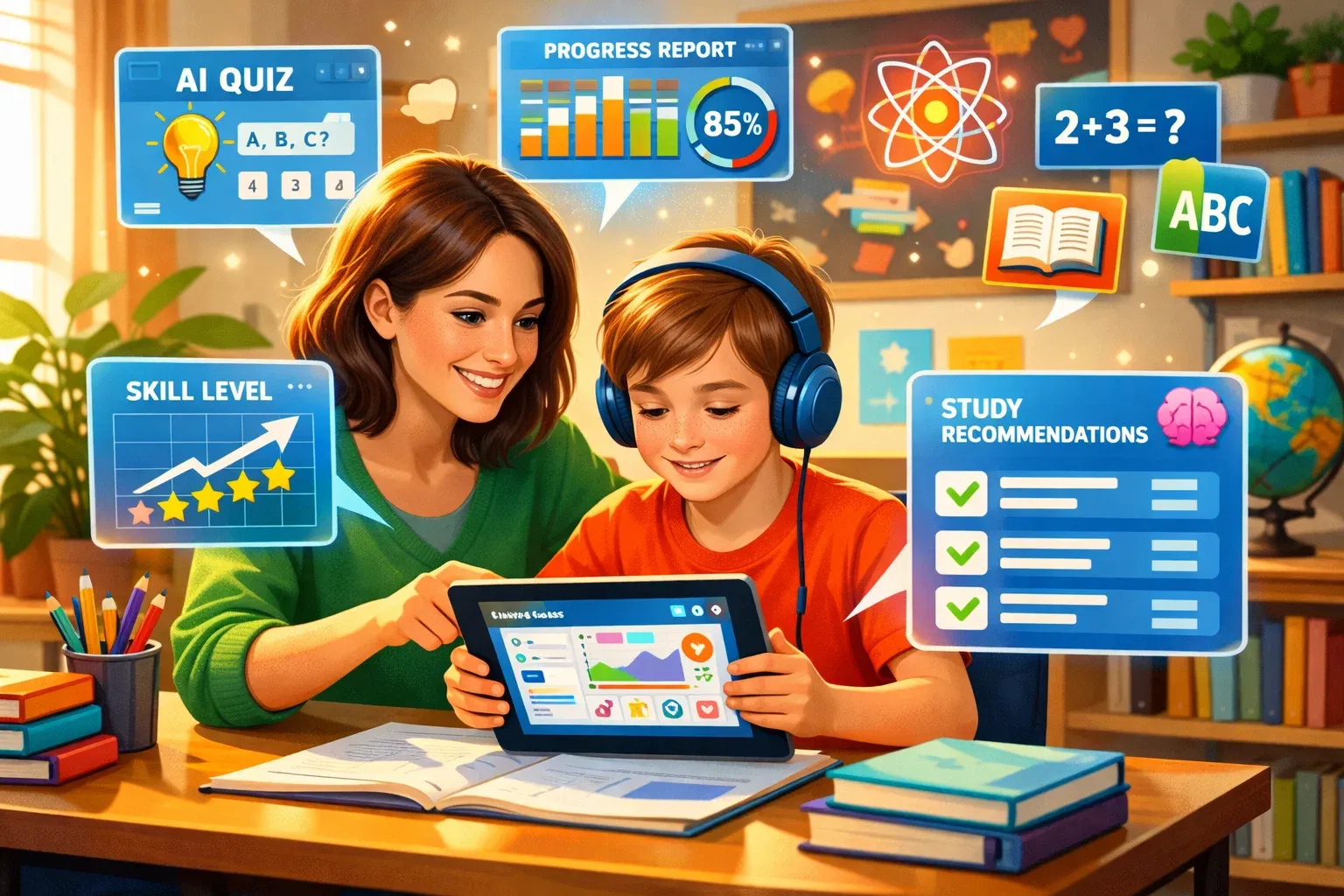
By integrating AI-powered insights, JoraIQ enables educators to track student progress in real time and identify learning gaps early. It provides personalized practice, smart assessments, and performance analytics that help improve overall academic outcomes. The platform is built to support both students and teachers by making learning more structured, efficient, and data-informed.
How Data Improves Student Outcomes
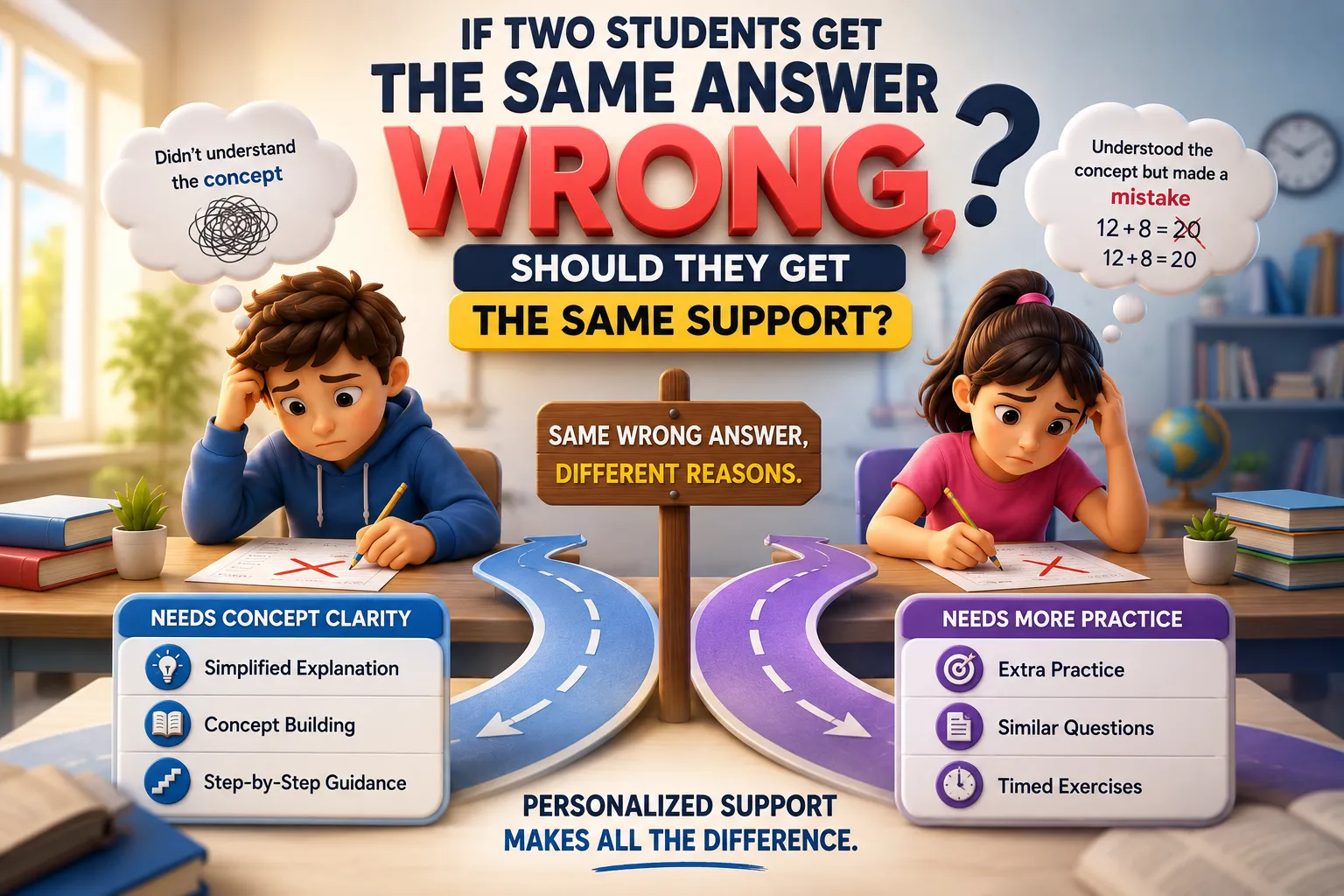
When learning is driven by data, students receive more targeted support instead of generalized instruction. For example, if a student struggles with algebra but excels in geometry, the system adjusts their learning path accordingly. This ensures that time is spent more efficiently on areas that truly need improvement.
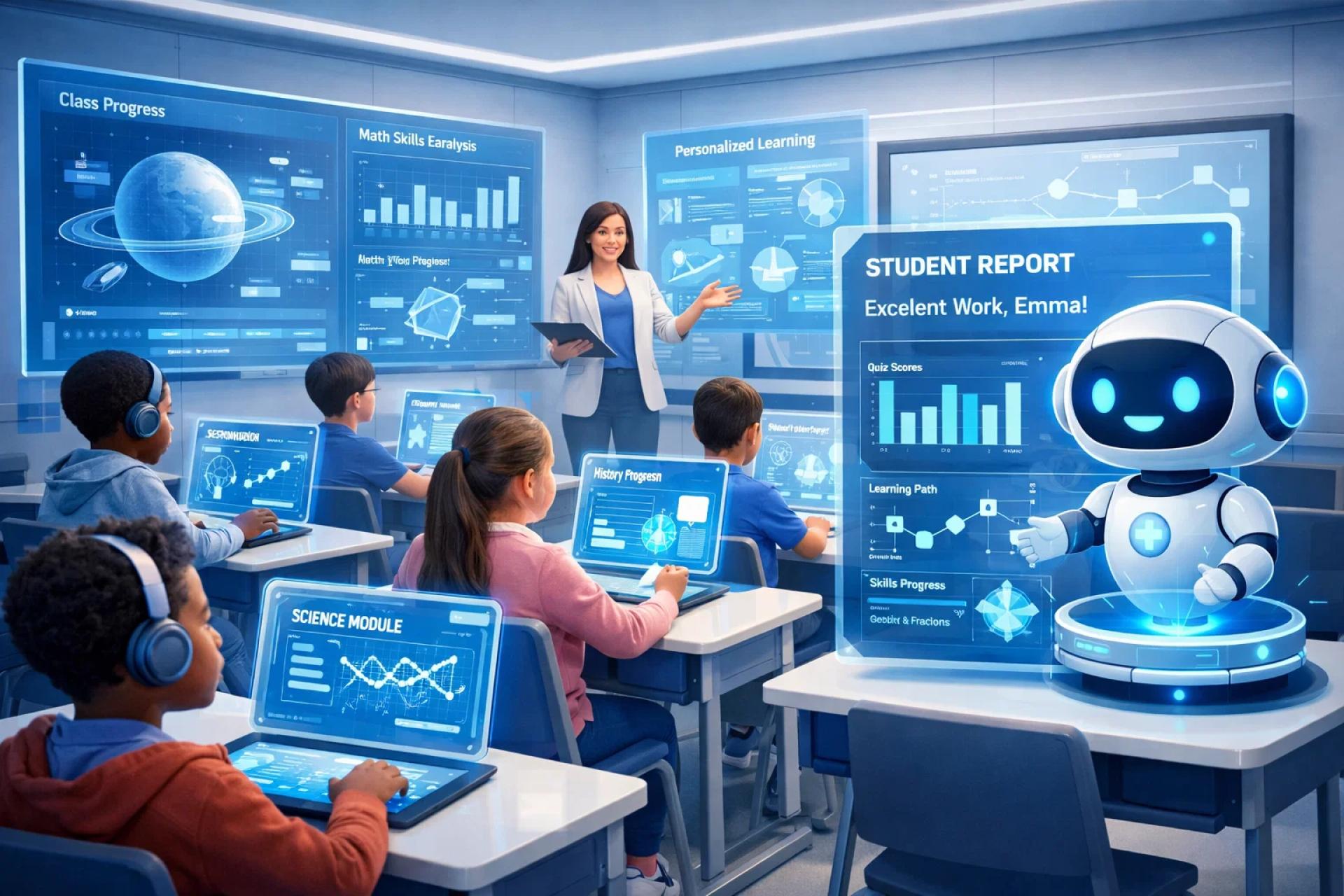
Teachers also benefit by gaining clear visibility into class performance trends, allowing them to adjust lesson plans and teaching strategies quickly.
Conclusion: The Future of Education is Data-Driven
Data-driven learning is reshaping how education systems operate by making learning more personalized, measurable, and effective. With the integration of intelligent platforms like JoraIQ, schools can ensure that every student receives a learning experience tailored to their needs.
As education continues to evolve, the combination of data analytics and adaptive learning will play a crucial role in improving student performance and building stronger academic foundations for the future.




















Sign in to leave a comment.