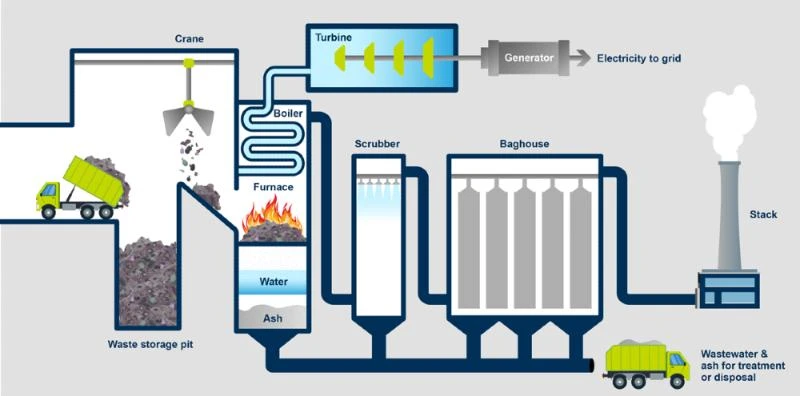

Incineration is a crucial aspect of waste management in many parts of the world, and Abu Dhabi is no exception. As the capital of the United Arab Emirates (UAE), Abu Dhabi has developed comprehensive policies and regulations to manage waste incineration effectively. Moreover, ensuring environmental protection, public health safety, and efficient waste-to-energy conversion, promoting sustainable development in the region.
So, with the help of this blog, let’s delve into the specifics of incineration policies and regulations in Abu Dhabi.
Understanding Incineration
Incineration is the process of burning waste materials to reduce their volume and convert them into ash, flue gas, and heat. This method is particularly effective for managing hazardous waste and reducing the burden on landfills. However, it also comes with environmental and health concerns, primarily due to the emissions produced during the incineration process.
The Need for Incineration Policies
With the rapid growth of urban areas and industrial activities in Abu Dhabi, the generation of waste has increased significantly. Effective waste management is crucial to ensure that the waste does not adversely affect the environment or public health. Moreover, incineration policies are designed to regulate the process, ensuring it is carried out safely and efficiently, minimizing the negative impacts.
Governing Bodies and Legislation
In Abu Dhabi, several governing bodies oversee waste management, including incineration. These include:
1. The Environment Agency – Abu Dhabi (EAD)
The Environment Agency – Abu Dhabi (EAD) plays a pivotal role in regulating waste management practices. It develops and enforces policies aimed at protecting the environment and ensuring sustainable development.
2. The Abu Dhabi Waste Management Center (Tadweer)
Tadweer is the primary authority responsible for waste management in Abu Dhabi. It oversees the collection, transportation, and disposal of waste, including incineration. Moreover, Tadweer works closely with other government bodies to implement and enforce waste management regulations.
3. The Abu Dhabi Department of Energy (DoE)
The Department of Energy (DoE) is involved in regulating the energy produced from waste-to-energy facilities. Eventually, these facilities convert waste into electricity or heat, which is a crucial aspect of the incineration process.
Key Incineration Policies and Regulations
Abu Dhabi has implemented several key policies and regulations to govern incineration practices. These policies are designed to ensure that incineration is carried out in an environmentally friendly and health-conscious manner. Some of the critical policies include:
1. Waste Classification
Before incineration, waste must be properly classified to determine its suitability for incineration. Hazardous and non-hazardous wastes are treated differently, with specific guidelines for each category to ensure safe and efficient incineration.
2. Emission Standards
To protect air quality, strict emission standards are enforced for incineration facilities. These standards limit the levels of pollutants, such as dioxins, furans, and heavy metals, that can be released into the atmosphere.
3. Monitoring and Reporting
Incineration facilities are required to conduct regular monitoring and reporting of their operations. So, this includes tracking emissions, waste quantities, and other relevant data to ensure compliance with regulatory standards.
4. Waste-to-Energy Conversion
Policies encourage the conversion of waste to energy, promoting the use of incineration facilities that can generate electricity or heat from waste. This not only helps in waste management but eventually contributes to the energy needs of the region.
5. Public Health and Safety
Regulations are in place to ensure that incineration facilities do not pose a risk to public health and safety. This includes guidelines on facility location, operation standards, and emergency response plans.
Environmental Impact of Incineration Policies
The implementation of stringent incineration policies in Abu Dhabi has several positive impacts on the environment. By regulating emissions and promoting waste-to-energy conversion, these policies help reduce the carbon footprint associated with waste management. Additionally, the reduction in landfill use helps conserve land and reduces the potential for soil and groundwater contamination.
Challenges in Implementing Incineration Policies
Despite the benefits, there are several challenges in implementing incineration policies in Abu Dhabi. These include:
1. Technological Advancements
Keeping up with rapid advancements in incineration technology is crucial for maintaining efficiency and environmental standards. Moreover, ensuring that facilities are updated with the latest technology requires significant investment.
2. Public Awareness and Acceptance
Public awareness and acceptance of incineration as a waste management solution are essential. Also, misconceptions about the environmental and health impacts of incineration can hinder the implementation of policies.
3. Financial Constraints
The cost of establishing and maintaining incineration facilities can be a significant barrier. Moreover, ensuring that there are adequate financial resources for the development and operation of these facilities is a constant challenge.
Future Prospects for Incineration in Abu Dhabi
The future of incineration in Abu Dhabi looks promising, with ongoing efforts to improve and expand waste management practices. Key prospects include:
1. Advanced Incineration Technologies
Investment in advanced incineration technologies can enhance the efficiency and environmental performance of incineration facilities. Innovations such as plasma gasification and pyrolysis offer potential improvements in waste-to-energy conversion.
2. Integrated Waste Management Systems
Developing integrated waste management systems that combine incineration with other waste treatment methods can provide a moc























Sign in to leave a comment.