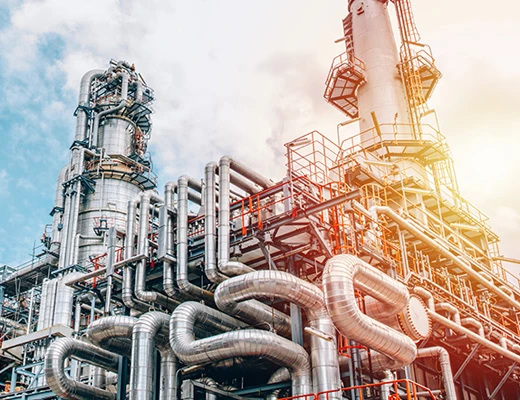

The Indian chemical industry is one of the most diversified, dynamic, and fast-growing sectors in the country’s economy — spanning over 80,000 commercial products and employing more than 2 million people across its value chain. Today, India stands as the sixth-largest producer of chemicals globally and the third-largest in Asia, contributing around 7% to the nation’s GDP and playing a pivotal role in industrial development.
A Broad and Diverse Industrial Base
India’s chemical sector covers an extensive range of products and segments, including:
- Bulk and commodity chemicals
- Specialty chemicals
- Agrochemicals
- Polymers and petrochemicals
- Fertilizers
These diversified sub-segments support critical downstream industries — including pharmaceuticals, textiles, automotive, construction, and personal care — contributing to robust domestic consumption and export momentum.
Rapid Market Expansion and Future Potential
In 2024, India’s chemical market was valued at around US$250 billion and is projected to grow to US$300 billion by 2028, with long-term ambitions to reach US$1 trillion by 2040 — driven by rising domestic demand and increasing integration in global value chains.
A Boston Consulting Group (BCG) report further underscores this growth trajectory, projecting India’s chemical industry to expand significantly by 2030, backed by robust demand from key end-user sectors such as automotive, agriculture, construction, and personal care.
Export Strength and Global Footprint
India’s chemical exports continue to expand, with the country ranking 14th globally in chemical exports (excluding pharmaceuticals) and accounting for roughly 2.5% of global chemical sales. The country exports key product categories — including dyes and intermediates — to over 90 countries worldwide, showcasing its competitive edge in global trade.
With strategic trade agreements like the India–UK Free Trade Agreement, export opportunities are expected to deepen, opening new markets and stimulating downstream production growth.
Strategic Government Support and Policy Initiatives
The Indian government continues to prioritize the chemical industry as a key pillar of industrial growth. This support encompasses:
- Significant budgetary allocations and production-linked incentive (PLI) schemes
- Petroleum, Chemicals and Petrochemicals Investment Regions (PCPIRs) to attract large-scale investments and create integrated manufacturing ecosystems
- Enhanced quality and safety standards via regulatory frameworks such as Quality Control Orders (QCOs)
- Skill development initiatives in collaboration with training institutions to build sector-specific talent
These policy levers are designed to strengthen domestic production, reduce import reliance, and stimulate innovation.
FDI and Capital Inflows
Foreign direct investment (FDI) continues to flow into the sector, with cumulative inflows in the chemicals industry exceeding US$23 billion between 2000 and 2025 (excluding fertilizers). Such capital deployment reflects sustained confidence among global investors in India’s growth story.
Drivers of Growth and Competitive Strengths
India’s chemical industry benefits from several competitive advantages:
- Strategic geographic proximity to major feedstock sources such as the Middle East
- Low-cost manufacturing and an expanding domestic consumer base
- Global supply chain diversification trends (often referred to as China+1 strategies) that are driving multinational companies to consider India as an alternative production hub
- Innovation in specialty chemicals and green chemistry, including bio-based polymers and biodegradable intermediates
These factors strengthen India’s position as a viable global production and export destination.
Challenges and the Road Ahead
Despite strong growth prospects, the industry still faces challenges such as input cost volatility, regulatory complexities, and competition from larger global producers. However, with forward-looking policies, expanding R&D investments, and the emergence of high-value chemical segments, India’s chemical industry is strategically positioned for sustained expansion over the next decade and beyond.
Conclusion
The Indian chemical industry is an economic powerhouse — highly diversified, export-oriented, and strategically aligned with global growth trends. With its ambitious growth targets, supportive policy environment, and increasing global competitiveness, India is poised to not only meet domestic demand but also play a larger role on the global chemicals stage.
































Sign in to leave a comment.