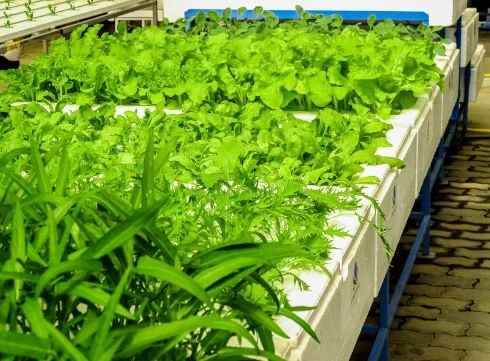

Indoor farming, also known as vertical farming or urban farming, is a revolutionary agricultural method that involves growing crops in controlled environments, usually without soil, natural light, or pesticides. This innovative approach to agriculture has gained immense popularity in recent years, as it offers several advantages over traditional farming methods, such as increased crop yields, reduced water consumption, and the ability to grow crops year-round. In this blog post, we will discuss the indoor farming market and its potential to revolutionize the agriculture industry.
The Indoor Farming Market: Current Status and Future Prospects
The global indoor farming market will reach USD 72,276 million by 2032, growing by 11.5% annually over 2022-2032. The increasing demand for locally grown fresh produce, the rising global population, and the need for sustainable agriculture practices are some of the key factors driving the growth of the indoor farming market.
Moreover, technological advancements in the field of indoor farming, such as the use of artificial intelligence (AI) and machine learning (ML) to optimize plant growth and the development of advanced lighting systems to mimic natural sunlight, are also contributing to the growth of the market. Additionally, the COVID-19 pandemic has further fueled the demand for indoor farming, as consumers are increasingly concerned about the safety and quality of the food they consume.
Advantages of Indoor Farming
Indoor farming offers several advantages over traditional farming methods, including:
Year-round crop production: Indoor farming allows for year-round crop production, irrespective of weather conditions or seasonal changes.
Increased crop yields: Indoor farming can result in higher crop yields per square foot of land compared to traditional farming methods, due to the optimized growing conditions.
Reduced water consumption: Indoor farming can reduce water consumption by up to 90% compared to traditional farming methods, due to the use of hydroponic and aeroponic systems.
Reduced use of pesticides: Indoor farming reduces the need for pesticides and herbicides, as the controlled environment minimizes the risk of pests and diseases.
Reduced transportation costs: Indoor farming can reduce transportation costs, as it allows for local production of fresh produce, reducing the need for long-distance transportation.
Conclusion
The indoor farming market is a rapidly growing sector that offers several advantages over traditional farming methods, including year-round crop production, increased crop yields, reduced water consumption, and reduced use of pesticides


























Sign in to leave a comment.